Cashmere Knitwear Trends in 2026
The cashmere knitwear category is undergoing a fundamental recalibration in 2026. Macro forces including a post-pandemic reassessment of investment priorities, amplified environmental consciousness, and intensified demand for verifiable authenticity are collectively reshaping the definition of considered luxury. 1 The market is no longer simply about softness as a sensory privilege; it is about provenance, structural integrity, and enduring relevance across seasons and settings. 2
Global Market Size and Regional Demand Dynamics
The global cashmere market reached an estimated USD 3.63 billion in 2025 and is forecast to reach approximately USD 3.78 billion by the close of 2026, with longer-range projections placing the market above USD 5.28 billion by 2034. 3 Growth is described as moderate compared to fast-fashion categories, yet notably resilient, as consumers increasingly treat cashmere garments as long-term wardrobe investments rather than seasonal purchases. 3
Regional demand reflects distinct dynamics. Europe remains the largest luxury cashmere consumer market, with countries such as Italy, France, and Germany anchoring strong traditional demand. North America shows robust growth driven significantly by e-commerce channels and direct-to-consumer brand strategies. The Asia-Pacific region functions simultaneously as a major raw fiber producer and an emerging consumer market, with Inner Mongolia and Mongolia serving as the primary grazing and sourcing zones for raw cashmere fiber. 3
The Traceability Imperative and Certification Standards
Traceability has moved from a marketing differentiator to a baseline requirement in 2026 procurement decisions. Industry data indicates that 36% of luxury consumers now actively seek verifiable sourcing information when selecting cashmere, and that figure continues to rise. 4 Certifications including the Good Cashmere Standard (GCS), the Global Organic Textile Standard (GOTS), and the Global Recycled Standard (GRS) are increasingly mandated within brand sourcing programs, particularly across European fashion markets. 5
Supply chain volatility adds complexity to this picture. Climate fluctuations across primary grazing regions in Inner Mongolia and Mongolia caused the raw cashmere collection season to arrive earlier than usual in 2026, generating notable price instability. As of April 2026, premium white cashmere fiber prices had risen approximately 3.5% year-over-year, driven partly by surging Western market demand for butter yellow and pastel palettes requiring high-purity white fiber. Brown and purple cashmere experienced a comparatively modest 1.2% cost increase, primarily tied to logistics and global energy price shifts. 6 Procurement managers operating in this environment face narrowing windows for locking in raw material costs without quality trade-offs.
Fiber Innovation: Cashmere Blends and Technical Yarn Development
Pure cashmere has long been positioned as the gold standard of luxury knitwear, but 2026 is seeing a strategic evolution toward thoughtfully engineered blends. Designers, manufacturers, and buyers across major markets are turning to cashmere combinations with merino wool, silk, cotton, and select technical yarns. The rationale is functional: merino adds elasticity, breathability, and structural resilience; silk reduces pilling and introduces drape, sheen, and tensile strength; cotton provides lightness suited to warmer climates and layering. 7
Japanese designers are among the most active adopters of blended construction, with a notable segment specifying 70/30 cashmere-silk blended yarns for summer knitwear collections. This ratio delivers thermal regulation and softness from the cashmere component while the silk content contributes luster, coolness, and improved structural integrity under repeated wear. 8 Meanwhile, seamless 3D knit technology, now refined sufficiently to handle cashmere's delicate fine fiber under high-tension machine conditions, is entering standard production for premium collections, eliminating cut-and-sew waste and delivering a garment with superior comfort and reduced seam-related structural weakness. 9
Silhouette and Texture Directions Across the 2026 Season
Knitwear silhouettes in 2026 reflect what industry analysts describe as the completion of luxury casualization: a market-wide acceptance that wearable comfort and refined aesthetics are no longer competing values. 2 Sweater shapes trend toward relaxed body proportions balanced by clean shoulder lines and fuller-but-controlled sleeves. Mid-hip lengths dominate because they function equally well with trousers and skirts, while cropped styles address specific consumer segments rather than broad wardrobe needs. Crew necks and soft V-shapes remain the most commercially durable neckline options, with high-neck and mock-neck constructions sustaining strong reorder rates across European and North American buyers. 10
Texture weight is shifting lighter. Heavier knits are becoming less prevalent as lighter yarns enable year-round wearability. Spring-summer 2026 collections from multiple manufacturers emphasize breathable constructions and fine-gauge architectures, repositioning cashmere away from its historical cold-weather exclusivity toward a genuine four-season material. 11 British Vogue's Spring 2026 knitwear analysis highlighted a renewed emphasis on eye-catching silhouettes including deep V-necks, strong shoulders, and draped off-the-shoulder shapes, alongside softer color palettes punctuated by optimistic yellows. 12
Color Palette Analysis: Neutrals, Brights, and the Quiet Luxury Signal
Neutral tones continue to outperform seasonal brights as the commercial backbone of luxury cashmere collections. Undyed or softly tinted shades in camel, oatmeal, charcoal, ivory, stone, and mocha allow the natural luster and surface quality of high-grade fiber to remain the focal point. Industry observers note that neutrals also photograph more effectively for e-commerce contexts, where tactile qualities must be communicated visually, and they transcend trend cycles, reducing fashion fatigue for consumers treating cashmere as a long-duration wardrobe asset. 13
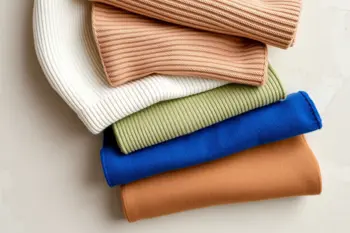
Alongside the neutral foundation, Spring 2026 introduced a targeted color injection into the quiet luxury palette. Cloud Dancer, described as a creamy off-white, emerged as the definitive neutral alternative to stark white, particularly effective in 12-gauge knit constructions. Marina Blue and Electric Cobalt represent what trend analysts are calling the New Primary movement. Sage Green and its yellow-inflected counterpart Acacia reflect the continuation of green as the color narrative of the decade, while Lava Falls Red and Tea Rose Pink provide saturated and soft options respectively for consumers seeking expressive but investment-aligned choices. 14 For autumn-winter 2026-2027, the palette extends toward emotional neutrals including Bellflower Blue, Cumulus Grey, Bossa Nova Red, and Old Gold. 15
Consumer Behavior Shifts and Market Friction Points
The consumer motivations driving cashmere purchasing in 2026 have shifted materially. Where previous generations bought cashmere as a status signal or brand-adjacent luxury performance, current buyers in European and North American markets are described by production-side observers as prioritizing what one manufacturer termed wearing comfort: a focus on whether the garment will produce genuine physical ease, skin-friendliness, and a sense of security, rather than visual impact alone. 16 The buy-less-buy-better orientation, characterized by investment in pieces designed for years rather than months, is reinforcing demand for pilling resistance, construction quality, and timeless design over novelty. 4
However, the segment carries meaningful friction points that buyers and consumers should understand. Raw fiber price volatility, certification complexity, and the risk of greenwashing in sourcing claims all represent structural challenges. The narrowing cost window for locking in white cashmere fiber in 2026 directly pressures brands that have committed to pastel and light-palette collections without forward-buying strategies. Additionally, cashmere's well-documented physical vulnerabilities, including susceptibility to pilling, stretching, and moisture sensitivity in pure-fiber form, require either fiber blending strategies or clear consumer education around garment care to sustain the multi-year ownership expectation that underpins the investment-piece market positioning. 7 Vintage and secondhand cashmere marketplaces are also reporting growth as part of the circular economy movement, presenting both a challenge to primary market volume and an opportunity for brands to extend their sustainability narratives through take-back and repair programs. 17
Sources
- selvane.co - 2026 Cashmere Sweater Trends: 3 Key Shifts
- wfscashmere.com - Knitwear Trend Report 2026: What the Global Market Is Actually Buying
- lanlycashmere.com - 2026 Global Cashmere Market Outlook: Trends, Growth and Industry Insights
- cashmerescarfsupplier.com - 2026 Cashmere Trends: What Global Buyers Are Ordering Right Now
- cashmere-yarn.com (Consinee) - Recycled Cashmere Yarn Production and Sustainable Luxury Brand Sourcing
- weaveessence.com - White-for-White or Brown Cashmere: Impact of 2026 Raw Fiber Volatility on Winter Sourcing Orders
- chcashmere.biz - Why Cashmere Blends Are Taking Over 2026: From Merino Mixes to Silk Infusions
- cashmere-yarn.com (Consinee) - Japanese Designers Switch to Cashmere-Silk Blends: 70/30 Ratio for Summer Knitwear
- wfscashmere.com - Seamless 3D Knit Cashmere: Benefits, Construction and What to Look for in a Supplier
- kulfiy.com - Top Cashmere Sweater Trends Every Woman Should Wear in 2026
- us.gobicashmere.com - How to Style Spring-Summer 2026 Cashmere for Work and Leisure
- vogue.co.uk - These 7 Knitwear Trends Will Be Everywhere In Spring 2026
- chcashmere.biz - Why Neutral Tones Dominate Luxury Knitwear
- uscashmere.co - 2026 Spring Cashmere Trend: The Colors Redefining Luxury
- onwardcashmere.com - 2026-2027 Outerwear and Knitwear Trends Revealed
- topendclothing.com - New Trends in Cashmere Consumption: From Style to Feeling
- Business of Fashion - Sustainability and Circular Economy Practices in Cashmere Production
Authored by MyTrendSpot team