Best hospitals for uterine fibroids: Clinical standards and specialized care programs
When seeking care for uterine fibroids, patients often look for institutions that provide comprehensive, multidisciplinary approaches to symptom management and surgical intervention 1, 2. Selecting a facility requires an evaluation of available diagnostic tools, the spectrum of surgical techniques offered, and the institution's commitment to patient-centered, personalized treatment plans 5, 6. Because fibroids can impact fertility, urinary function, and general quality of life, top-tier hospitals typically integrate expertise from gynecology, interventional radiology, and reproductive endocrinology to address complex cases effectively 1, 2.
Defining Excellence in Fibroid Care
High-quality medical centers often distinguish themselves through specialized programs designed to manage fibroids across a continuum of severity 1, 5. Institutions recognized by organizations like U.S. News & World Report for excellence in gynecology frequently maintain dedicated fibroid centers that consolidate clinical resources 2, 10. Key indicators of a capable facility include the integration of interventional radiology for procedures like uterine fibroid embolization (UFE), as well as advanced robotic-assisted surgical capabilities 2, 4. Furthermore, these centers often prioritize research and clinical trials, allowing for access to novel pharmaceutical or non-surgical interventions that might not be available in smaller community clinics 15.
The Role of Multidisciplinary Teams
Effective management of uterine fibroids often necessitates coordination between multiple medical specialties to balance immediate symptom relief with long-term reproductive and systemic goals 1, 5. Many leading hospitals employ a team-based model where gynecologists, radiologists, and fertility specialists review cases to determine the most appropriate course of action 1, 4. This approach is particularly critical for patients considering fertility-sparing procedures, as the location and size of fibroids can significantly influence surgical risk and success rates 5, 6. Patient-focused care includes detailed consultations to weigh the trade-offs between invasive surgeries and conservative, watchful waiting strategies 5, 6.
Diagnostic and Surgical Infrastructure
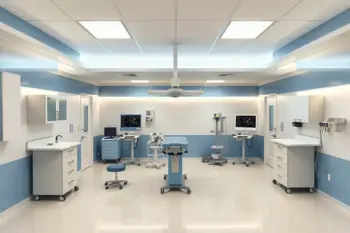
Advanced diagnostic imaging is foundational to the treatment process, allowing providers to map the location, size, and type of fibroids-such as intramural, submucosal, or subserosal growths 2, 9. State-of-the-art facilities utilize transvaginal ultrasound, magnetic resonance imaging (MRI), and sonohysterography to inform surgical planning 2. When surgical intervention is required, the availability of minimally invasive options, such as laparoscopic or robotic-assisted myomectomy, is a key benchmark for facility quality 1, 8. These techniques generally result in faster recovery times and less systemic trauma compared to open abdominal procedures 4, 8.
Patient Advocacy and Health Disparities
Recognizing the prevalence of uterine fibroids among specific demographics, many leading hospitals have intensified their focus on addressing health disparities 1, 4. Clinical research has established that Black women are significantly more likely to develop fibroids and often experience more severe, earlier-onset symptoms than their counterparts 1, 4. Premier institutions are actively working to bridge gaps in timely diagnosis and treatment access within underserved communities 4. This institutional commitment to equity is a vital component of holistic care models, ensuring that all patients receive standardized, high-quality interventions regardless of background or initial access barriers 1.
Comparing Treatment Modalities and Costs
Patients evaluating potential facilities should be aware of the range of clinical options and the structural differences in how hospitals provide services 3. While pricing can vary significantly based on the specific intervention required-ranging from hysteroscopic myomectomy to uterine artery embolization-most top hospitals prioritize transparent patient counseling regarding costs and expected clinical outcomes 3. The following table summarizes common approaches found at major centers of excellence for fibroid treatment.
| Treatment Modality | Clinical Objective | Common Methodology |
|---|---|---|
| Watchful Waiting | Monitor asymptomatic fibroids | Periodic pelvic exams/ultrasound |
| Minimally Invasive Surgery | Remove fibroids, keep uterus | Laparoscopic or robotic-assisted |
| Interventional Radiology | Reduce fibroid blood supply | Uterine fibroid embolization (UFE) |
| Hormonal Therapy | Manage heavy bleeding | IUDs, injections, or oral pills |
Evaluating Institutional Credentials
When assessing a medical institution for fibroid care, checking for relevant certifications and accreditations is a prudent step for patients. Organizations such as the American Institute of Minimally Invasive Surgery (AIMIS) provide credentials that signify a facility’s adherence to standardized, high-quality surgical practices 15. Additionally, hospitals with high patient volumes for gynecologic surgeries generally demonstrate better outcomes due to the frequency of practice among their surgical teams 3. Patients are encouraged to inquire about a hospital’s specific experience with fertility-preserving surgeries if pregnancy is a long-term priority, as this requires a specific surgical expertise that is not universal to all gynecological departments 6, 7.
Sources
- Penn Medicine: Uterine Fibroid Care and Management
- Sutter Health: Fibroid Care and Treatment Services
- Booking Health: Treatment of Uterine Fibroids in Germany
- Rutgers University: Breaking Boundaries in Uterine Fibroid Care
- Liv Hospital: Fibroid Removal Surgery Guidelines
- Graphic Era Hospital: Uterine Fibroids Treatment Overview
- Primus Super Specialty Hospital: Myomectomy Procedures in Delhi
- ONP Hospitals: Advanced Laparoscopic Myomectomy
- Yashoda Hospital: Uterine Fibroids Symptoms and Diagnosis
- Kapadia Hospital: Uterine Fibroids Treatment in Mumbai
- U.S. News & World Report: Best Hospitals for Gynecology
- Mayo Clinic: Care for Uterine Fibroids
- Johns Hopkins Medicine: Specialty Areas in Fibroid Treatment
- Cleveland Clinic: Multidisciplinary Approaches to Fibroids
- Northwestern Medicine: Reproductive Health and Fibroid Research
Authored by MyTrendSpot team