Warning signs of peripheral artery disease: A clinical overview of symptoms and risk factors
Peripheral artery disease (PAD) occurs when atherosclerosis, the buildup of fatty plaque on artery walls, restricts blood flow to the extremities, most commonly the legs 2. While many individuals remain asymptomatic, identifying the condition early is critical because it shares underlying systemic risk factors with coronary heart disease and stroke 5, 6. Approximately 10 million Americans aged 40 and older are estimated to have PAD, though prevalence figures vary based on whether researchers include only symptomatic patients 3, 8. Recognizing the clinical patterns associated with limited circulation is the primary step in professional vascular assessment 4.
Understanding Intermittent Claudication
The most frequently reported indicator of lower-extremity PAD is intermittent claudication, a condition defined by muscle pain, cramping, or aching that occurs during physical activity 1, 5. This sensation typically affects the calves, thighs, or buttocks during activities such as walking or climbing stairs, as the muscles demand higher levels of oxygenated blood than the narrowed arteries can supply 1, 4. A hallmark of this presentation is the cessation of discomfort shortly after physical exertion ends and the body enters a resting state 1, 3.
Patients may misattribute these symptoms to age-related muscle fatigue, arthritis, or general stiffness 1, 9. However, the rhythmic nature of the pain-occurring during movement and dissipating during rest-remains a distinguishing factor that warrants medical evaluation 9. As the disease progresses, individuals may experience constant pain even while inactive, a condition known as rest pain, which indicates more advanced arterial narrowing 3, 5.
Physical Manifestations in Lower Extremities
Beyond muscle pain, significant physiological changes in the feet and legs can serve as markers for arterial insufficiency. These include persistent sensations of coldness in one foot or lower leg relative to the other, often caused by significantly reduced peripheral blood flow 1, 2. Skin color changes are also frequently observed, with legs appearing pale when elevated or demonstrating a reddish, cyanotic hue when in a dependent position 1, 2.
Physical inspection by a healthcare provider may reveal further signs of chronic ischemia that are not immediately obvious to the patient. These markers include:
- Slow-healing or non-healing wounds on the toes, feet, or legs 1, 4.
- Reduced or absent hair growth on the lower legs and feet 1, 4.
- Thickened, slow-growing, or brittle toenails 1, 2.
- Visible loss of calf muscle mass 1.
- Weak or absent pulses in the lower limbs during a physical examination 2.
Systemic Markers and Associated Risks
Peripheral artery disease is often viewed as a systemic manifestation of atherosclerosis, meaning that its presence frequently correlates with plaque buildup in other critical vessels throughout the body 7. For this reason, physicians often evaluate for PAD in the context of cardiovascular health. Erectile dysfunction is an established, yet frequently overlooked, clinical marker for PAD, particularly in men who have also been diagnosed with diabetes 1, 2.
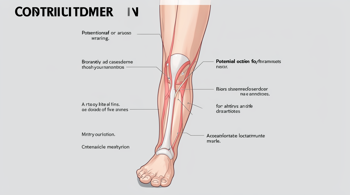
Chronic limb-threatening ischemia (CLTI) represents the most severe classification of PAD, where blood flow is so significantly compromised that the limb is at risk of gangrene and potential tissue loss 1, 3. This stage is often characterized by persistent, severe pain and non-healing ulcerations. Because of these risks, individuals with identified risk factors are encouraged to undergo periodic screenings to assess for the early signs of flow obstruction before the disease reaches a critical or limb-threatening stage 4.
Risk Factors for Arterial Narrowing
The development of PAD is heavily influenced by lifestyle factors and chronic health conditions that promote the accumulation of plaque in arterial walls 5, 6. Smoking is widely documented as a primary driver of PAD, often appearing as a stronger risk factor for this condition than for other forms of atherosclerosis 8. Diabetes is another significant contributor, as high blood glucose levels can impair vascular health and exacerbate the risk of circulation-related complications 6.
Other established risk factors include:
| Category | Primary Risk Factors |
|---|---|
| Metabolic | Diabetes, High Cholesterol, Obesity |
| Cardiovascular | High Blood Pressure, Heart Disease, History of Stroke |
| Lifestyle | Smoking, Physical Inactivity |
| Demographic | Advanced Age, Family History, Male Sex |
The Importance of Professional Assessment
Because the clinical presentation of PAD is highly variable-ranging from entirely asymptomatic cases to chronic pain-diagnostic assessment is essential 1, 7. Physicians typically utilize a combination of physical examination, patient history, and imaging tests to confirm the presence and severity of arterial blockage 2, 4. Early identification allows for the implementation of lifestyle modifications, such as regular walking programs and smoking cessation, which can improve oxygen delivery and symptom management 5, 10.
For patients showing persistent symptoms, medical intervention may involve the use of pharmaceutical therapies or, in advanced instances, procedures intended to restore blood flow to the affected limbs 3, 10. The goal of these clinical management strategies is to prevent disease progression, alleviate pain, and mitigate the elevated risks of heart attack and stroke associated with systemic atherosclerosis 2, 9.
Conclusion on Vascular Monitoring
Vigilance regarding the symptoms of PAD is necessary for high-risk populations, including older adults and those with comorbidities like diabetes or kidney disease 7. While the intermittent nature of claudication may lead some to ignore the underlying issue, the progressive nature of the disease necessitates consistent monitoring of any physical changes in the extremities 9. By understanding these warning signs, individuals can engage more effectively with healthcare professionals to manage cardiovascular health and maintain long-term limb function 4.
Sources
- American Heart Association: What Are the Symptoms of PAD?
- MedlinePlus: Peripheral Arterial Disease
- Yale Medicine: Peripheral Artery Disease (PAD)
- Penn Medicine: Peripheral Artery Disease (PAD)
- Harvard Health: Peripheral Arterial Disease - A to Z
- Johns Hopkins Medicine: Peripheral Vascular Disease
- National Center for Biotechnology Information: StatPearls - Peripheral Arterial Disease
- American Heart Association News: Is your leg pain actually PAD?
- Main Line Health: Leg pain while walking? When it could be PAD
- Harvard Health: Treating peripheral artery disease: When might you need a procedure?
Authored by MyTrendSpot team