Police impound sporting goods for sale: Legal Frameworks, Asset Liquidation, and Public Procurement Processes
The Legal Mechanisms Behind Police Impound and Forfeiture Sales
When the public encounters listings indicating that police impound sporting goods for sale, they are witnessing the final phase of a complex legal pipeline. Municipal, county, and state law enforcement agencies routinely seize and impound recreational gear, vehicles, and consumer goods during criminal investigations, traffic stops, and property recovery operations. The legal authority for departments to confiscate and ultimately sell these items is grounded in state civil asset forfeiture statutes and local codes governing unclaimed or abandoned property 1.
Before any public auction can occur, agencies must adhere to strict statutory retention periods, allowing original owners ample opportunity to claim their recovered belongings 1. If the items remain unclaimed after the legal timeframe expires, or if a court grants a formal forfeiture order, the property is cleared for public liquidation. Proceeds generated from these sales are typically directed back into municipal general funds or specialized law enforcement budgets, supporting community programs or equipment upgrades 1.
Typical Categories of Sporting Goods Recovered in Law Enforcement Operations
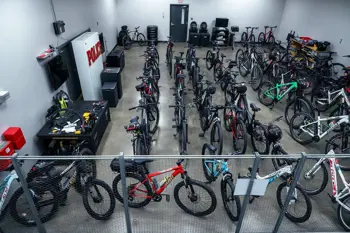
The variety of sporting goods available through police impound auctions reflects the diverse nature of modern law enforcement seizures. High-end bicycles are among the most prevalent items found in evidence rooms, primarily due to high theft rates in metropolitan areas 3. For example, the Vancouver Police Department routinely liquidates approximately 250 mountain, road, and touring bikes annually, with premium carbon-frame models sometimes selling for a fraction of their original retail value 3.
Beyond bicycles, police inventory regularly includes fitness machines, outdoor camping gear, and water sports equipment. Municipalities frequently list these items on public platforms such as GovDeals, which acts as a primary clearinghouse for government surplus and confiscated recreational gear 2. This process ensures that bulk property is disposed of efficiently, freeing up valuable storage space within police facilities while providing a transparent, public-facing bidding environment.
| Product Category | Typical Seizure Context | Common Processing Method |
|---|---|---|
| High-End Bicycles | Theft recovery and abandoned property | Municipal auctions and online surplus portals |
| Hunting and Outdoor Gear | Stolen freight and retail fencing rings | Seized property liquidation sales |
| Off-Road Vehicles | Asset forfeiture and criminal proceeds | Sheriff impound and online bidding events |
Case Studies in Municipal Property Liquidation
Detailed records from municipal police departments across the United States highlight the scope of these property liquidations. The San Antonio Police Department frequently hosts public auctions at a Veterans of Foreign Wars post on the South Side to liquidate seized merchandise, which regularly includes athletic footwear, designer shoes, and specialized tools 4. During these events, items purchased with criminal proceeds or used during crimes are sold to the highest bidder to satisfy state forfeiture mandates 4 5.
Similarly, the Jackson Police Department in Wyoming conducted an evidence auction of unclaimed property that accumulated over three years 6. The department sought court permission to liquidate over 30 bicycles, including high-value electric models valued at up to $1,000 each, alongside snowboards and various tools with an estimated total value of $7,090 6. Additionally, the Palos Heights Police Department recovered over $250,000 in stolen freight, which included high-end Sitka hunting apparel and boots, alongside Nike and Puma footwear 7.
The Process of Reclaiming Impounded Property
For individuals attempting to retrieve their seized or lost belongings before they reach the auction block, navigating the legal reclamation process is critical. Law enforcement agencies are legally required to issue public notices to ensure due process is maintained. For instance, the Gladstone Police Department in Oregon mandates that owners or security interest holders file a formal claim within 30 days of public notice, providing proof of ownership to prevent the permanent forfeiture of their bicycles, backpacks, or tools 8.
In other jurisdictions, such as California, property owners retain the right to reclaim personal belongings stored inside impounded vehicles even if they do not yet hold the official vehicle title 9. Claimants must present alternative proof of purchase, such as a bill of sale, to local police departments to obtain a proper property release form 9. Similarly, the Corpus Christi Police Department gives owners or lienholders a strict 20-day window to reclaim impounded property 10.
Operational Frameworks of Public and Online Auctions
The operational methods of police auctions have increasingly shifted to digital platforms, though in-person events still play a major role in regional property management. The Suffolk County Police Department Impound Section, for example, conducts regular auctions in Westhampton, featuring approximately 100 lots of vehicles, sportbikes, and utility equipment 11. These auctions require physical registration and offer set preview periods where buyers can inspect items, which are strictly sold in as-is condition with minimum opening bids starting at $500 11.
Online bidding systems offer a highly automated alternative. The Minnesota Department of Natural Resources utilizes online auction platforms to sell confiscated outdoor and sporting gear, employing a staggered, extended bidding process where bidding on individual items is extended if bids are received in the final three minutes of the sale 12. On a larger scale, the U.S. Treasury's Executive Office for Asset Forfeiture has managed high-volume liquidations, such as clearing out a fleet of over 600 snowmobiles 13.
Potential Risks, Market Friction Points, and Buyer Due Diligence
While these public liquidations offer a structured way to acquire consumer goods, buyers must remain cognizant of the significant risks and market friction points involved. Because all sales are final and items are sold in as-is condition, there are no refunds, returns, or operational guarantees 11. Furthermore, sporting equipment or recreational machinery seized from criminal suspects may have been subjected to rough handling or poor maintenance, which can result in hidden safety hazards or structural defects 14.
Administrative hurdles represent another layer of complexity. Certain items, such as specialized outdoor equipment or firearms, require purchasers to pass background checks and pay additional processing fees before taking possession 12. Finally, tracking errors within police evidence systems occasionally result in friction; there have been documented instances where stolen tools and high-value items were mistakenly auctioned off before the rightful owners could navigate the municipal retrieval system 15.
Sources
- American Civil Liberties Union
- GovDeals
- Go2Tutors
- San Antonio Express-News
- San Antonio Express-News (July Auction)
- Jackson Hole News & Guide
- Southwest Regional Publishing
- NoticeRegistry Oregon
- Justia Ask A Lawyer
- NoticeRegistry Texas
- Daily Voice
- 740 The FAN
- Backfire News
- Powell Auction & Realty
- Star News
Authored by MyTrendSpot team