Early symptoms of endometriosis: Clinical signs and when patterns merit evaluation
Early symptoms of endometriosis: Clinical signs and when patterns merit evaluation
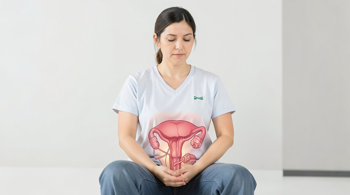
Early symptoms of endometriosis may be dismissed as “normal” period pain, especially when cramps, fatigue, bloating, or bowel changes occur mainly around menstruation. The condition is associated with tissue similar to the uterine lining growing outside the uterus, most often in the pelvis, where inflammation and scar tissue can develop. Symptoms vary considerably, and some people have endometriosis with few or no noticeable symptoms. 1 2
How early endometriosis symptoms commonly begin
For some individuals, symptoms appear from the first menstrual periods; for others, they develop later. The most frequently reported early pattern is pelvic pain that is stronger, longer-lasting, or more disruptive than typical menstrual cramping. Pain may begin before bleeding, continue for several days, or recur between periods. Chronic lower-back or pelvic pain can also occur outside the menstrual cycle, although the timing and intensity differ from person to person. 1 6
- Recurring pelvic, abdominal, or lower-back pain
- Cramping that interferes with school, work, sleep, or ordinary activities
- Pain that gradually becomes more difficult to manage
- Symptoms that follow a monthly pattern but do not always remain limited to menstruation
Painful periods and pelvic pain
Dysmenorrhea, or painful menstrual cramps, is the symptom most strongly associated with endometriosis. It may feel like intense cramping, stabbing pain, pressure, or a deep ache in the abdomen and pelvis. The severity of pain does not reliably indicate the extent or stage of the disease, so severe symptoms do not prove advanced disease, and mild symptoms do not exclude it. 3 5
| Pattern | Why it may merit clinical discussion |
|---|---|
| Period pain lasting several days | Persistent or disabling pain is different from brief, manageable discomfort. |
| Pain before bleeding begins | Endometriosis-related pain may start before the period and extend into it. |
| Pain between periods | Pelvic pain outside menstruation can occur and should be assessed alongside other symptoms. |
Pain during sex, bowel movements, or urination
Deep pain during or after vaginal intercourse is a recognized symptom, particularly when it is recurrent rather than occasional. Endometriosis can also be associated with dyschezia, meaning painful bowel movements, and dysuria, meaning pain during urination. These symptoms may become more noticeable during menstrual periods, especially when lesions affect tissues near the bowel or bladder. Blood in stool or urine is reported rarely and requires medical assessment because other conditions can cause it. 1 3
- Deep pelvic pain during penetration or aching afterward
- Pain or pressure when passing stool, especially during menstruation
- Burning or pain while urinating during a period
- New bowel or bladder symptoms that repeatedly follow a menstrual pattern
Bleeding and digestive changes
Heavy menstrual bleeding, irregular bleeding, or spotting between periods can occur with endometriosis, although these signs are not specific to the condition. Digestive symptoms may include abdominal bloating, nausea, constipation, or diarrhea, with some people noticing a clear increase around menstruation. Because these complaints overlap with gastrointestinal, hormonal, and gynecological disorders, their timing, recurrence, and relationship to pelvic pain are important parts of a clinical history. 2 4 6
| Symptom group | Examples to record |
|---|---|
| Bleeding | Heavy flow, irregular periods, or repeated spotting between periods |
| Digestive | Bloating, nausea, constipation, diarrhea, or intestinal pain |
| Cycle relationship | Whether symptoms begin before bleeding, peak during it, or continue afterward |
Fatigue, fertility, and less obvious presentations
Fatigue and systemic exhaustion are frequently reported alongside chronic pain and can affect daily quality of life. Difficulty conceiving may be the symptom that leads to evaluation for some patients, although infertility is not required for an endometriosis diagnosis. The disease can also be present without obvious pain, meaning the absence of symptoms does not reliably rule it out. A symptom diary can help document bleeding, pain location, bowel or bladder changes, sleep disruption, and effects on daily activities. 2 7 8
- Persistent exhaustion that occurs with recurring pelvic symptoms
- Difficulty becoming pregnant without another established explanation
- Symptoms that are subtle, irregular, or not clearly tied to menstruation
- Minimal pain despite findings identified during an evaluation for another concern
Why diagnosis can be difficult
Symptoms of endometriosis overlap with several other conditions, and symptom intensity does not consistently correspond to lesion extent. Diagnosis may be based on characteristic symptoms and physical findings, with transvaginal ultrasound or MRI sometimes supporting the assessment. Direct visualization, usually through laparoscopy, can assist treatment planning but is not always required before treatment begins. These limitations mean that persistent or function-limiting symptoms should be evaluated rather than interpreted through symptom severity alone. 3 5
Medical evaluation is particularly appropriate when pain repeatedly disrupts ordinary activities, sex, bowel movements, urination, or attempts to conceive. Heavy or irregular bleeding can have causes other than endometriosis, and frequent intermenstrual bleeding should be discussed with a doctor. Self-diagnosis based on one symptom can be misleading, while delaying assessment can prolong discomfort and postpone management. Treatment aims to control symptoms and limit long-term effects, but symptoms can persist or recur after treatment. 1 2
Sources
- Office on Women’s Health, “Endometriosis”
- World Health Organization, “Endometriosis”
- Merck Manual Professional Edition, “Endometriosis”
- Cleveland Clinic, “What It Feels Like to Have Endometriosis”
- American College of Obstetricians and Gynecologists, “Diagnosis of Endometriosis”
- UnitedHealthcare, “Understanding Endometriosis: Symptoms, Causes and Treatment”
- nib, “Endometriosis 101: Signs & Symptoms”
- Mayo Clinic, “Endometriosis: Symptoms and Causes”
Authored by MyTrendSpot team