Seized property from police impound auctions: What buyers need to know
Police impound auctions represent a distinct channel for acquiring property that law enforcement has taken into custody through criminal investigations, towing operations, or asset forfeiture statutes. Unlike retail purchases, these auctions operate under strict regulatory frameworks that vary by jurisdiction, auction platform, and the legal basis for the sale. Understanding the structure, terms, and real risks involved is essential before participating.
What property appears at police impound auctions
Police auctions encompass multiple categories of property, each with different origins and legal standing. Impound auctions feature vehicles that have been towed and not reclaimed within the statutory holding period 1. These may include ordinary sedans, work trucks, motorcycles, SUVs, and vans. A retired municipal vehicle may have maintenance records and agency markings but can also carry extensive idle time or hard service history. An impounded vehicle may have an unknown mechanical history, missing keys, or personal property restrictions attached 1.
Property auctions sold through police channels include designer handbags, watches, jewelry, tools, bicycles, electronics, and general household goods 2. These items originate from two primary streams: unclaimed lost or recovered property where owners cannot be identified, and goods seized in the course of criminal investigations and forfeited to the Crown or State under applicable forfeiture statutes 3. A seized vehicle may be clean and well-maintained, or it may require clarification on title, storage history, and condition before a bid is placed 1.
How police auctions vary by jurisdiction and platform
Police auctions are not governed by one nationwide marketplace with uniform rules. A city police department, county sheriff, state agency, impound contractor, and federal agency may each use different auction companies, schedules, registration processes, and payment policies 1. Location matters significantly: the best starting point is to identify auctions serving your specific state, metro area, or ZIP code, then confirm the sale details for items of interest 1.
In the United States, some seized property is managed through federal processes via the Department of Justice, while other property is handled by state and local authorities 5. The Jacksonville Sheriff's Office, for example, conducts online auctions through GovDeals, with property confiscated or obtained under the Florida Contraband Forfeiture Act, Florida Statute 932.701-706 6. Louisville Metro Police regularly auctions unclaimed vehicles through Auctions ASAP, clearing its impound lot as required by state law 7. UK police forces sell unclaimed recovered property through authorized auction houses such as Wilsons Auctions, BidSpotter, and i-bidder 8. Kansas City Police operates tow lot auctions online only, with strict terms regarding condition, nonpayment, and bidding retraction policies 9.
The legal foundation for police property sales
Police property auctions operate under distinct legal pathways. Impound sales are typically tied to towing and administrative custody rules governed by state statutes or local ordinances, while forfeiture sales stem from criminal or civil asset forfeiture statutes 5. Before a vehicle can be sold from an impound, registered owners typically receive notice and a redemption period to claim the vehicle and satisfy towing charges. When the owner does not redeem the vehicle within the statutory timeframe, the police or impound contractor may proceed to public auction 5.
In the UK, buyers acquire good title when purchasing from police auctions because the goods have been lawfully forfeited or disposed of 3. Items sold include lost and unclaimed property held for a statutory period and goods seized under the Proceeds of Crime Act 2002 (POCA) 3. When forfeiture is complete, goods are sold and proceeds returned to public funds or to support law enforcement operations. In Canada, the Sault Ste. Marie Police Service auctions seized property and recovered items that go unclaimed in accordance with the Community Safety and Policing Act 10. Property must be disposed of no later than 180 days after case closure or expiration of appeal rights 11.
What to expect before and during bidding
Successful bidding at police auctions requires advance preparation and strict adherence to published terms. Buyers must first locate the relevant auction by searching government agency websites, official auction platforms, or public notice registries. Louisville Metro Police auctions, for instance, typically run twice monthly and feature 70 to 117 vehicles 7. Spokane Police conducts online auctions through JSToutAuction for abandoned and seized personal property 12. Auctions may list hundreds of lots with closing dates specified weeks in advance.
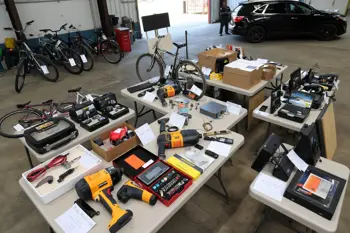
Registration requirements vary but typically include creating an account on the auction platform, providing payment authorization, and accepting lot-specific terms 5. San Antonio Police auctions open doors for registration and viewing before the auction begins, with the auction itself starting at a set time 13. Bidders are required to pay in cash or approved payment methods, with American Express often excluded. All property must be paid for and picked up on the day of sale or within a specified window, typically 5 to 10 days 7. Kansas City Police explicitly states that bids may not be retracted for any reason, and nonpayment results in permanent auction ban 9.
Critical inspection and risk factors
All vehicles sold at police auctions are sold as-is, where-is, with no warranties expressed or implied 9. Most vehicles lack keys, and many do not run or drive 1. In most cases, buyers will not know whether a vehicle runs and drives until after purchase 9. Auction listings typically contain only the information the auctioneer has documented; vehicle history reports may be incomplete or unavailable before bidding closes.
Inspection windows are limited. Some auctions allow preview periods the day before sale, typically a few hours, while others may offer no in-person inspection at all. Online-only auctions restrict inspections to photographs and written descriptions provided by the auctioneer. Buyers should review condition notes carefully, ask the auctioneer specific questions before bidding, and set a firm bid limit based on worst-case scenarios, not optimistic assumptions. Additionally, property Room.com and similar platforms authenticate high-value items such as designer goods, using services like Entrupy for verification 2. However, standard tools exist for lower-value items: bicycles can be checked on BikeRegister, and phones can be verified using IMEI checkers before purchase 8.
Fees, payment terms, and hidden costs
Police impound auctions involve multiple layers of cost beyond the hammer price. A buyer's premium is added to the winning bid, typically 15 to 25 percent plus applicable sales tax in the UK and other jurisdictions 8. Online auctions may charge shipping fees through third-party logistics providers, though pickup at a facility is often available. Vehicle auctions may impose title transfer fees, registration processing, and inspection charges depending on state or local regulations. Towing and impound lot fees accrued before the sale may or may not be waived; buyers should confirm whether the purchase price includes settlement of outstanding lien or lien-holder claims.
Payment is almost universally cash or certified check at live auctions, though online platforms increasingly accept credit cards with convenience fees. Cashier's checks and bank-validated checks may be required in advance. Once a bid is won, payment must be made within the specified timeframe, often the same day. Failure to pay in full and on time results in forfeiture of the property and, in many cases, permanent exclusion from future auctions 9. Additional costs may include vehicle inspection reports, title searches, and transportation if the buyer chooses not to pick up purchased items directly.
Geographic and platform-specific considerations
The auction platform chosen by a police department significantly affects the buyer experience. PropertyRoom.com, one of the largest platforms, processes hundreds of auctions daily, offering items at starting bids of just one dollar with no reserve, regardless of original value 2. This platform handles payment and shipping arrangements or allows in-person pickup. Lauritz.com offers police auctions for lost property, bicycles, and seized goods from Danish police forces, with low starting prices and regular inventory rotation 14. In Australia, Grays Australia hosts monthly forfeited goods auctions from Western Australia Police, with a diverse catalogue including firearms, jewelry, artwork, and tools, with proceeds supporting local charities 15.
Federal auctions in the United States may involve different legal frameworks than state or local sales. Federal agencies may use GSA Auctions or other federal auction systems to dispose of seized assets 5. Copart and Insurance Auto Auctions (IAAI) operate large-scale vehicle auction marketplaces that include police and repossessed vehicles, with nationwide reach but varying state-specific rules 5. International buyers should note that some auctions restrict participation to residents of specific regions, and cross-border shipping of certain items such as firearms is heavily regulated or prohibited entirely.
Sources
- Government Auctions Blog - Police Auctions: How to Buy Without Guesswork (governmentauctions.org)
- Property Room Blog - Discover the Deal: What is a Police Auction? (blog.propertyroom.com)
- GovAuctions.app - UK Police Property and Seized Goods Auctions (govauctions.app)
- City of Spokane Police Department - Recover Property (my.spokanecity.org)
- U.S. Department of Justice and State Forfeiture Programs - Police Property Seizure and Auction Framework
- Jacksonville Sheriff's Office - Online Public Sale via GovDeals (actionnewsjax.com)
- Louisville Metro Police Department - Unclaimed Vehicle Auctions (wdrb.com)
- Kael Tripton Deals - Police Auctions UK 2026: How to Buy Bicycles, Electronics and More (kaeltripton.com)
- Woolsey Auction - Kansas City Police Tow Lot Auction Terms and Conditions (woolseyauction.com)
- Sault Ste. Marie Police Service - Seized/Found Property (saultpolice.ca)
- Spokane Municipal Code - Section 08.19.020: Asset Forfeiture Program Process (my.spokanecity.org)
- Notice Registry - Spokane Abandoned and Seized Property Online Auction (noticeregistry.com)
- San Antonio Police Department - Forfeited Property Auction Announcements (news4sanantonio.com)
- Lauritz.com - Police Auctions for Lost Property, Bicycles, and Seized Goods (lauritz.com)
- Auction Finder Australia - Inside This Week's Police Auction Market (auctionfinder.com.au)
Authored by MyTrendSpot team