Budgeting for Essential Home Accessibility Upgrades: A Data-Driven Planning Guide
Nearly 90% of adults over 65 want to remain in their own homes as they age, according to AARP, yet most residential properties are not built with long-term accessibility in mind. 1 Budgeting for essential home accessibility upgrades requires understanding a cost spectrum that runs from a $150 grab bar installation to a $120,000 whole-home retrofit, with dozens of meaningful interventions in between. 2 A structured, phased approach allows homeowners to address the highest-risk areas first while distributing financial exposure across multiple budget cycles.
Understanding the Three-Tier Cost Structure
Accessibility renovations generally fall into three distinct complexity tiers, each carrying a fundamentally different cost profile. Low-complexity modifications include grab bars, handheld showerheads, lever door handles, non-slip flooring additions, threshold adjustments, and improved lighting. These items are among the most cost-effective upgrades available, typically costing $200 to $1,000 total when installed without structural modifications. 3 Mid-complexity work covers doorway widening, limited ramp construction, minor bathroom layout changes, comfort-height fixtures, and handrail additions, with per-room costs generally ranging from $500 to $5,000. 4
High-complexity modifications involve full walk-in shower conversions, major bathroom reconfiguration, structural framing changes, custom ramps, stairlifts, and whole-home accessibility planning. A basic aging-in-place package covering grab bars, lever handles, lighting, and non-slip mats costs $500 to $2,000. A mid-range package adding a walk-in shower, comfort toilet, ramp, and doorway widening runs $10,000 to $25,000. A comprehensive whole-home accessibility remodel costs $30,000 to $75,000 or more. 5 Most US homeowners spend $15,000 to $30,000 in capital modifications over the first five to ten years of active accessibility planning. 6
Room-by-Room Cost Benchmarks for 2026
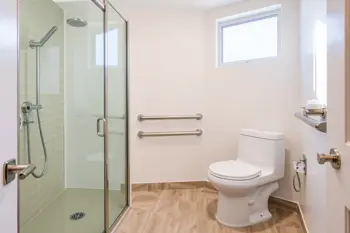
The bathroom is where 80% of aging-related home injuries occur, making it the highest-priority room in any accessibility budget. 7 A set of three to four grab bars costs $150 to $400 installed, while a walk-in shower conversion ranges from $6,000 to $15,000 depending on scope. A full accessible bathroom remodel runs $15,000 to $45,000 or more based on data from CAPS-certified contractors in mid-to-large US metros. 8 Comfort-height ADA-compliant toilets cost $300 to $700 for the fixture, with installed costs reaching $400 to $1,000, and non-slip bathroom flooring adds $800 to $2,500 depending on material selection. 9
| Room or Area | Basic Modifications | Full Renovation |
|---|---|---|
| Bathroom | $3,000 to $8,000 | $10,000 to $25,000 |
| Kitchen | $5,000 to $10,000 | $15,000 to $35,000 |
| Bedroom | $2,000 to $5,000 | $5,000 to $15,000 |
| Entrance | $1,500 to $5,000 | $5,000 to $15,000 |
| Hallways | $1,000 to $3,000 | $5,000 to $10,000 |
| Stairs or Vertical Access | $3,000 to $8,000 | $20,000 to $50,000 |
Kitchen accessibility upgrades, including pull-out shelving, variable-height counters, and lever faucets, range from $2,000 to $8,000 for basic modifications and up to $35,000 for a full accessible kitchen remodel. 10 Pathway and motion lighting improvements cost $400 to $1,200 per room for a layered installation, and smart home modifications such as voice-activated lights or automated thermostats can be implemented for $200 to $1,500 depending on system scope. 11
Mobility and Vertical Access: The Higher-Cost Middle Tier
Stairlifts and residential elevators represent the most expensive single upgrades in most accessibility budgets. A straight-rail stairlift runs $2,200 to $8,500 installed, while a curved or outdoor stairlift rises to $7,500 to $15,000 or more. 12 Residential elevators represent a premium solution, with installed costs ranging from $20,000 to $50,000 or higher depending on the number of floors and structural requirements. 13 In the Toronto market, a coordinated bathroom and entry retrofit with a stairlift, ramp, grab bars, and basic kitchen modifications typically totals $22,000 to $55,000 CAD. 14
Wheelchair ramps vary significantly based on material and permanence. Modular aluminum ramps cost $100 to $250 per linear foot installed, while permanent wood or concrete ramps run $1,500 to $5,000 for a typical residential installation. 15 Widening an existing doorway to accommodate a wheelchair or walker generally costs $500 to $2,500 per opening, depending on wall construction and whether electrical or plumbing systems are impacted. 16 In NAHB's remodeler survey, 73% of contractors reported that requests for aging-in-place features increased over the past five years, reflecting rising demand that is also influencing labor pricing in many markets. 17
Financial Assistance, Grants, and Tax Provisions
Several public programs offset the out-of-pocket cost of accessibility modifications for eligible homeowners. The USDA Rural Repair and Rehabilitation program offers grants and low-interest loans to low-income rural homeowners specifically for health and safety accessibility repairs. 18 State-based Medicaid Waiver programs may cover the costs of home modifications that allow individuals to remain in their homes rather than enter a care facility, with eligibility and covered scope varying by state. 19 Veterans Affairs benefits, including the VA Home Improvements and Structural Alterations grant and the Aid and Attendance benefit, may cover partial or full costs of modifications for eligible veterans, reducing out-of-pocket expenses significantly. 20
Federal tax guidance under IRS Publication 502 allows homeowners to deduct home improvements made for medical care as an itemized medical expense, provided the improvement does not add general value to the property beyond the medical purpose. 21 In Canada, the federal Home Accessibility Tax Credit returns 15% of eligible renovation costs, and some municipalities offer forgivable loans up to $25,000 for qualifying bathroom or structural retrofits. 22 Some long-term care insurance policies and Medicare Advantage plans also cover accessibility modifications, though coverage scope varies substantially by provider and policy terms and should be verified directly with the insurer before committing to a project budget. 23
Cost Drivers and Variables That Shift Budgets by 30% or More
The age and structural condition of the home is one of the most consequential budget variables. Older homes often require hidden structural, plumbing, or electrical work before accessibility modifications can proceed, adding costs that do not appear in standard modification price lists. 24 Material and labor costs are also projected to rise by 5% to 8% in 2026 due to supply chain adjustments and increased demand for aging-in-place contractors, and sustainable or specialized materials like recycled composites may increase by as much as 10%. 25 Geographic location compounds these factors: higher-cost coastal metro areas typically run at or above the top of quoted price ranges, while rural and lower-cost regions fall at or below the midpoint. 26
Timing and sequencing of work also has a measurable effect on total cost. Planning ahead is substantially less expensive than reacting to a crisis. Emergency bathroom modifications often require premium labor rates, temporary lodging, and duplicate work when a previous cosmetic remodel must be removed to install proper blocking or structural supports. 27 Bundling related modifications into a single contractor visit reduces mobilization costs and allows structural work such as wall blocking for grab bars to be completed during a larger remodel at a fraction of the standalone cost. Homeowners should also budget a contingency reserve of 10% to 20% for unexpected discoveries during demolition or wall opening, a standard planning buffer that applies equally to accessibility projects. 28
Planning Sequence and Risk Prioritization
The AARP Home Safety Guide recommends prioritizing modifications by fall-risk zones, specifically bathrooms and stairways, before addressing less critical areas of the home. 29 A reliable budget begins with a professional home assessment, not with product shopping. Walking through the property room by room to document barriers in entries, flooring transitions, hall widths, bathroom clearances, lighting levels, and stair conditions produces a scope document that supports accurate contractor quotes and prevents scope creep. Homeowners who planned modifications ten years in advance consistently spent less, avoided rushed contractor decisions, and ended up with renovations that appeared intentional rather than reactive. 30
Financial planning for accessibility should be structured across three budget categories: one-time capital modifications ($15,000 to $30,000 over five to ten years for most households), recurring in-home services if caregiving becomes necessary ($400 to $6,500 per month depending on intensity), and an emergency reserve of $10,000 to $20,000 in liquid savings for unplanned structural repairs or urgent safety interventions. 31 Universal design modifications yield a national average return on investment of 68% to 70%, and a $15,000 accessibility remodel often reaches financial break-even in under four months when compared against the average cost of assisted living, which runs $4,500 to $5,000 per month in the US as of 2025 Genworth data. 32 These figures underscore that accessibility budgeting is simultaneously a safety plan, a housing plan, and a long-term healthcare cost-containment strategy.
Sources
- AARP – Home Modification Grants and Resources: https://www.aarp.org/home-family/your-home/info-2020/home-modification-grants.html
- AgeProofPros – Aging-in-Place Modification Costs 2026: https://ageproofpros.com/costs
- National Association of Home Builders – Aging in Place Modifications: https://www.nahb.org/news-and-publications/topics/aging-in-place
- Consumer Reports – How to Make Your Bathroom More Accessible: https://www.consumerreports.org/home-garden/how-to-make-your-bathroom-more-accessible/
- BuildCalc Pro – Home Accessibility Remodel Cost 2026 Price Guide: https://buildcalcpro.org/guides/how-much-does-it-cost-to-make-home-accessible
- HomesImprover – Financial Planning for Aging in Place: Real 2026 Numbers: https://homesimprover.com/aging-in-place/aging-in-place-cost/
- BuildCalc Pro – Complete Guide to Aging-in-Place Home Modifications 2026: https://buildcalcpro.org/guides/aging-in-place-home-modifications-guide
- AgeProofPros – Cost Ranges by Service 2026: https://ageproofpros.com/costs
- CostToRenovate – Aging-in-Place Renovation Costs in 2026: https://www.costtorenovate.com/blog/aging-in-place-renovation-cost-2026/
- BuildsAndBuys – Accessibility Renovation Cost Guide 2026: https://buildsandbuys.com/accessibility-renovation-cost-guide/
- Angi – Home Accessibility Costs: https://www.angi.com/articles/home-accessibility-costs.htm
- CostToRenovate – Stairlift and Mobility Equipment Costs 2026: https://www.costtorenovate.com/blog/aging-in-place-renovation-cost-2026/
- Wealthvieu – Aging in Place: How to Stay Home Safely as You Get Older 2026: https://wealthvieu.com/personal-finance/long-term-care/aging-in-place-guide/
- RenoHouse – Accessibility Renovation Cost Toronto 2026: https://renohouse.ca/blog/accessibility-renovation-cost-toronto
- AgeProofPros – Wheelchair Ramp Cost Ranges: https://ageproofpros.com/costs
- Angi – Doorway Widening Costs: https://www.angi.com/articles/home-accessibility-costs.htm
- CostToRenovate – NAHB Remodeler Survey Data: https://www.costtorenovate.com/blog/aging-in-place-renovation-cost-2026/
- USDA Rural Development – Single Family Housing Repair Loans and Grants: https://www.rd.usda.gov/programs-services/single-family-housing-programs/single-family-housing-repair-loans-grants
- AARP – State-Based Resources for Home Modifications: https://www.aarp.org/home-family/your-home/info-2020/home-modification-grants.html
- Veterans Affairs – Disability Eligibility and Home Modification Benefits: https://www.va.gov/disability/eligibility/
- Internal Revenue Service – Publication 502, Medical and Dental Expenses: https://www.irs.gov/publications/p502
- AgePlaceHub Canada – Aging-in-Place Renovations Canada 2026 Cost and Subsidy Guide: https://ageplacehub.ca/blog/aging-in-place-renovations-canada-guide/
- Medicare.gov – Coverage Information: https://www.medicare.gov/coverage/
- Senior Remodeling Experts – What Factors Affect the Cost of Accessible Home Remodeling: https://seniorremodelingexperts.com/what-factors-affect-the-cost-of-accessible-home-remodeling/
- Critchfield Construction – Understanding Universal Design Costs for 2026: https://www.critchfield-construction.com/understanding-universal-design-costs-for-2026
- AgeProofPros – Regional Pricing Variations 2026: https://ageproofpros.com/costs
- ChairliftMusic – Aging-in-Place Renovation Budget Planning Guide: https://chairliftmusic.com/budget-planning-for-aging-in-place-renovations/
- DreamDen – Step-by-Step Home Renovation Planning: https://www.dreamden.ai/step-by-step-home-renovation-planning-essential-home-renovation-steps
- AARP – Home Safety Checklist and Fall-Risk Prioritization: https://www.aarp.org/home-family/your-home/info-2019/home-safety-checklist.html
- ChairliftMusic – Aging-in-Place Renovation Budget Planning Guide: https://chairliftmusic.com/budget-planning-for-aging-in-place-renovations/
- HomesImprover – Three-Bucket Financial Planning for Aging in Place: https://homesimprover.com/aging-in-place/aging-in-place-cost/
- MrRemodel – ADA Bathroom Remodel Costs ROI and Contractor Guide: https://www.mrremodel.com/blog/ADA-Bathroom-Remodel-Costs-ROI-and-Contractor-Guide
Authored by MyTrendSpot team