Understand Varicose Veins Treatment Options: A Clinical Overview of Modern Management
Understanding the Nature of Varicose Veins
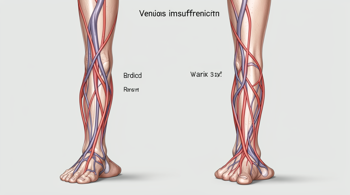
Varicose veins are characterized as swollen, twisted, and bulging blood vessels that typically manifest just beneath the skin in the legs, feet, or ankles 1. This condition occurs primarily due to the weakening of vein walls and the failure of internal valves that are designed to facilitate the one-way flow of blood toward the heart 1. When these valves become damaged or incompetent, blood can pool within the vein, leading to the characteristic blue or purple distention associated with venous insufficiency 2. Approximately 40 million individuals in the United States are affected by this condition, which is often prevalent in familial lineages and significantly more common among women due to hormonal influences such as estrogen and progesterone, as well as the physiological impacts of pregnancy 4.
While many patients view these veins as a purely cosmetic concern, clinical assessment is vital to determine whether they indicate deeper venous dysfunction 1. Symptoms such as aching, heaviness, itching, cramping, and swelling can significantly impact quality of life 4. Furthermore, if left untreated, chronic venous insufficiency may progress to more severe complications, including venous ulcers 8. Diagnosis is generally achieved through physical examination by a healthcare provider, often supplemented by venous duplex ultrasound to map the anatomy of the affected vessels and guide the selection of appropriate therapeutic pathways 2, 9.
Conservative Management Strategies
For many patients, the initial approach to treatment involves conservative measures aimed at symptom management and the prevention of further disease progression 6. Graduated compression stockings represent the primary line of defense in non-surgical care 6. These devices exert higher pressure around the ankle and foot, with the intensity of compression decreasing as the stocking moves up the leg, which effectively promotes the upward circulation of blood and reduces symptomatic discomfort 6. While these stockings do not eliminate existing varicose veins, they are frequently utilized to alleviate pressure and swelling associated with venous hypertension 6, 9.
Lifestyle modifications serve as a foundational pillar in managing the underlying condition of venous insufficiency 9. Patients are often encouraged to incorporate regular exercise, practice consistent leg elevation, and engage in effective weight management to mitigate the pressure placed on venous valves 9. Occupations requiring prolonged standing or sitting, such as nursing or administrative work, may necessitate specific adjustments to reduce the impact of gravity on blood flow 3. While anecdotal reports exist regarding the use of herbal preparations like horse chestnut extract to support venous wall strength, documented clinical evidence regarding their efficacy remains limited 6.
Minimally Invasive Interventional Procedures
Modern medicine offers several minimally invasive techniques that have largely shifted the landscape of vein treatment away from more aggressive surgery 9. Sclerotherapy is a standard procedure frequently utilized for smaller to medium-sized veins, where a chemical solution is injected directly into the vessel to induce collapse and eventual resorption by the body 6. Laser-based treatments, such as endovenous laser ablation (EVLA), utilize concentrated light energy to generate heat, effectively sealing the problematic vein and redirecting blood flow to healthier, functional veins 9. These procedures are commonly performed on an outpatient basis under local anesthesia 9.
Radiofrequency ablation represents another thermal method, where heat energy is applied to the vein wall to cause therapeutic closure 9. For patients seeking non-thermal alternatives, procedures such as VenaSeal use a specialized medical-grade adhesive to bond the vein shut, eliminating the need for thermal energy 9. These minimally invasive options provide high success rates in terms of technical closure and offer a recovery period that is generally more manageable than traditional surgical interventions 7. Selection between these methods often depends on the specific vein anatomy and the patient’s overall health profile 9.
Surgical Interventions for Severe Cases
While minimally invasive techniques are preferred for the majority of patients, surgical intervention remains a valid option for more complex or extensive cases 9. High ligation and vein stripping involve the manual ligation and removal of longer segments of the saphenous vein, which is typically reserved for instances where superficial veins are severely damaged or where non-surgical methods have been deemed insufficient 9. Another surgical approach, ambulatory phlebectomy, involves the removal of superficial varicose veins through a series of micro-incisions under local anesthesia 9.
Surgical methods, while effective at physically removing the diseased tissue, are often categorized as more invasive than catheter-based procedures 9. Decisions regarding surgery are reached through a thorough consultation with a vascular specialist, considering the severity of the venous insufficiency and the likelihood of successful long-term outcomes 9. Regardless of the chosen treatment method, it is important to note that the formation of new varicose veins remains a possibility over time, necessitating long-term monitoring and adherence to health maintenance practices 5.
Comparative Clinical Considerations
The efficacy of various treatments is often evaluated based on clinical success metrics, such as the ability to fully destroy the treated vein and prevent the recurrence of blood pooling 7. Research indicates that while many modern procedures are comparable in their ability to achieve technical success, further studies are required to provide robust comparative evidence across the diverse range of available interventions 7. The choice of procedure is highly individualized, requiring an assessment of the patient’s specific venous anatomy, the severity of skin changes, and the presence of underlying venous hypertension 9.
Patients are encouraged to utilize resources from recognized medical centers to identify qualified vein care specialists 1, 6. Establishing a relationship with a vascular surgeon or a specialist in phlebology ensures that treatment is tailored to the patient’s desired outcomes and clinical necessity 6. It is essential for patients to engage in a comprehensive discussion about the risks, recovery expectations, and potential limitations of each procedural option to ensure informed decision-making regarding their vascular health 6.
Long-Term Maintenance and Outlook
Treating varicose veins is not merely a one-time event; it is often part of a broader commitment to long-term venous health 9. Because the underlying condition of venous insufficiency can be chronic, many patients continue to utilize conservative strategies-such as compression garments and lifestyle management-even after undergoing corrective procedures 6, 9. Regular monitoring by a healthcare provider can help in the early identification of new vein developments, potentially allowing for less invasive management in the future 5.
Maintaining an active lifestyle and managing weight are significant factors in reducing the pressure on leg veins, which may slow the progression of the disease 9. By combining clinical interventions with ongoing self-care, patients can effectively manage the symptoms and aesthetic concerns associated with varicose veins while reducing the risk of further venous complications 1, 8. The current standard of care emphasizes a balanced, evidence-based approach that prioritizes patient comfort and the restoration of efficient circulatory function 9.
Sources
- Cleveland Clinic: Varicose Veins Overview
- Merck Manual Professional Edition: Varicose Veins Etiology and Diagnosis
- Harvard Health Publishing: Varicose Veins A to Z
- NewYork-Presbyterian Health Matters: Treatment Considerations
- Merck Manual Consumer Version: Venous Disorders and Treatment
- American College of Phlebology: Treatment Methods
- Cochrane Database: Comparative Procedures for Varicose Veins
- National Institutes of Health (StatPearls): Chronic Venous Insufficiency
- UC Davis Health: Insights on Modern Vein Treatments
Authored by MyTrendSpot team