Understand Diabetes Treatment Options: A Clinical Overview of Medicines, Monitoring, and Care
How treatment is matched to diabetes type
Diabetes treatment is not a single regimen. The appropriate plan depends on whether a person has type 1, type 2, or gestational diabetes, as well as glucose control, other medical conditions, treatment burden, coverage, and personal preferences. NIDDK states that food and beverage choices, physical activity, sleep, stress management, and medicines can all contribute to diabetes care. Goals also vary according to age, disease duration, complications, hypoglycemia risk, and overall health. 1
Type 1 diabetes requires insulin because the pancreas produces little or none of the hormone. Insulin may be delivered through a syringe, pen, pump, or an automated insulin delivery system that combines a pump, continuous glucose monitor, and algorithm. Type 2 diabetes begins commonly with insulin resistance and may progress to insufficient insulin production, so treatment can range from lifestyle measures alone to multiple medicines or insulin. 4
Lifestyle measures and treatment goals
For type 2 diabetes, nutrition changes, regular physical activity, weight management, and glucose monitoring are core elements of care. These measures may be combined with medication when glucose levels remain above an individualized target. NIDDK describes the diabetes ABCs as blood glucose, blood pressure, and cholesterol management, with smoking cessation also important for reducing the risk of cardiovascular, kidney, eye, nerve, and other complications. 3
Hemoglobin A1C estimates average blood glucose over roughly three months. NIDDK reports that an A1C below 7% is a goal for many people, although the appropriate target can differ when other health problems or safety concerns exist. Treatment plans therefore require ongoing review rather than a fixed prescription. Medication adherence, side effects, changing kidney function, cardiovascular risk, and the ability to monitor glucose can all affect future decisions. 3
Oral medicines for type 2 diabetes
Oral medicines include several classes that lower glucose through different mechanisms. Metformin is commonly used as an initial type 2 diabetes medicine, while other categories include sodium-glucose cotransporter 2 inhibitors, dipeptidyl peptidase 4 inhibitors, sulfonylureas, thiazolidinediones, and alpha-glucosidase inhibitors. Their effects, dosing requirements, adverse effects, and suitability differ, so selection should be individualized rather than based on a relative’s or neighbor’s regimen. 2
Some therapies are selected partly for effects beyond glucose reduction. SGLT2 inhibitors may provide heart-failure or kidney benefits for some people, while treatment choices may also account for established cardiovascular disease, obesity, kidney disease, cost, side effects, and treatment burden. Insulin and certain oral medicines can cause hypoglycemia, which makes medication education and monitoring important. A healthcare professional should direct dose changes, combinations, and decisions about stopping treatment. 6
Injectable medicines and insulin delivery
Non-insulin injectable medicines include GLP-1 receptor agonists and dual GIP/GLP-1 receptor agonists. These medicines can lower blood glucose, and GLP-1 based treatment may support weight loss for some people. Insulin remains essential for type 1 diabetes and is also used by many people with type 2 diabetes when the pancreas does not produce enough insulin or other approaches do not achieve the intended control. 6
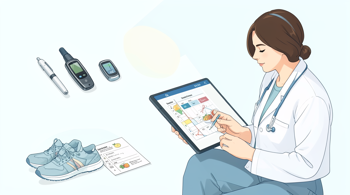
Insulin is usually injected under the skin, with delivery options including syringes, pens, and pumps. Inhaled insulin exists for certain people but is not commonly used. Automated insulin delivery systems can adjust insulin in response to continuous glucose readings, although users may still need to enter carbohydrate information for meals. Possible challenges include hypoglycemia, injection or device management, frequent monitoring, and the need for individualized instruction. 1
Glucose monitoring and technology
Blood-glucose meters provide individual readings, while continuous glucose monitors track glucose patterns throughout the day and can help identify high or low levels. Monitoring results can show how meals, drinks, activity, illness, and medicines affect glucose, giving clinicians information for treatment adjustments. The appropriate device depends on diabetes type, treatment plan, access, ability to use the technology, and clinical guidance. 7
For type 1 diabetes, Mayo Clinic reports that current guidance supports continuous glucose monitoring and describes time in the range of 70 to 180 milligrams per deciliter as a principal measure of treatment performance. The cited clinical discussion identifies a daily goal of at least 70% in range, less than 4% below 70, and less than 5% above 250, although targets must be interpreted by the treating team. 2
Special situations and additional options
Gestational diabetes is commonly managed first with nutrition planning, physical activity, and glucose monitoring. Insulin may be used when glucose targets are not met. Pregnancy changes the clinical context, so medication choices and glucose goals require obstetric and diabetes-care supervision rather than self-directed adjustments. Follow-up after pregnancy is also important because gestational diabetes is associated with later diabetes risk. 8
Metabolic or bariatric surgery is an option for some people with obesity and type 2 diabetes and may substantially improve glucose control or produce remission in appropriately selected patients. It is not a universal substitute for medical care and involves eligibility assessment, procedural risks, postoperative nutritional management, and continuing clinical follow-up. For selected people with type 1 diabetes, pancreas transplantation may be considered, while islet transplantation remains research in the United States. 2
Safety, oversight, and long-term maintenance
Diabetes medicines are prescription treatments regulated through standard medical and regulatory systems, but approval does not make every option suitable for every patient. Kidney function, heart disease, heart failure, pregnancy status, hypoglycemia risk, concurrent medicines, and insurance coverage can influence eligibility and clinical choice. Some treatments require injections or devices, and others require attention to adverse effects, glucose trends, and follow-up testing. 1
The practical burden of diabetes care can include daily medicines, glucose checks, appointments, lifestyle changes, device supplies, and education about low or high glucose. Combination therapy may be needed because diabetes can change over time. People should not start, stop, or alter diabetes medication without qualified medical guidance. A written care plan should clarify glucose targets, monitoring frequency, sick-day instructions, side effects, and when urgent assessment is appropriate. 5
Sources
- National Institute of Diabetes and Digestive and Kidney Diseases, Insulin, Medicines, & Other Diabetes Treatments
- Mayo Clinic, Diabetes: Diagnosis and treatment
- National Institute of Diabetes and Digestive and Kidney Diseases, Managing Diabetes
- MedlinePlus, Type 2 Diabetes
- Cleveland Clinic, Diabetes Medications
- MSD Manual Professional Edition, Medications for Diabetes Mellitus Treatment
- Cleveland Clinic, Continuous Glucose Monitoring
- American College of Obstetricians and Gynecologists, Gestational Diabetes
Authored by MyTrendSpot team