Warning Signs of Kidney Failure: A Comprehensive Analysis of Clinical Symptoms and Indicators
Kidney failure, medically referred to as end-stage renal disease (ESRD), occurs when renal function drops below 15 percent of normal capacity 1. Because the kidneys are remarkably adaptable organs, they often compensate for declining function by working harder with remaining healthy tissue, meaning symptoms may remain subtle for extended periods 9. By the time an individual notices overt physical changes, kidney function may have already declined significantly, making awareness of early indicators vital for clinical intervention 9.
Physiological Mechanisms of Renal Decline
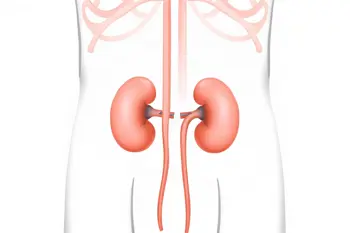
The kidneys function as the body's primary waste removal system, filtering approximately 200 liters of blood daily to remove toxins, excess water, and acids via structures known as nephrons 7, 9. Beyond filtration, they regulate blood pressure, maintain electrolyte balance, and produce hormones such as erythropoietin, which supports red blood cell production 4, 7. When these organs falter, either through acute kidney injury or chronic progressive damage, waste products accumulate in the bloodstream, leading to a systemic condition known as uremia 5, 9.
Acute kidney injury (AKI) manifests suddenly, often over several hours or a week, typically as a secondary result of an underlying condition or restricted blood flow 2, 9. Conversely, chronic kidney disease (CKD) follows a gradual trajectory, often remaining a silent condition for years 2, 7. Approximately 750,000 individuals in the United States are currently living with kidney failure, a condition that necessitates life-sustaining treatments such as dialysis or transplantation to ensure survival 2.
Urinary Changes as Early Indicators
Changes in urinary patterns frequently serve as an initial diagnostic clue for renal distress. The presence of persistent foam or bubbles in the urine is often an indicator of protein leakage, suggesting that the kidneys' filtration barriers are compromised 3. Furthermore, individuals may experience significant fluctuations in urinary frequency, such as an increased need to urinate, particularly during the nighttime hours 3, 5. In later stages of renal failure, some patients may observe a marked decrease in total urine output 2, 5.
| Urinary Symptom | Clinical Significance |
|---|---|
| Foamy Appearance | High protein content (proteinuria) |
| Increased Frequency | Dysregulated fluid processing |
| Reduced Output | Advanced filtration failure |
Systemic Fluid Retention and Edema
When kidneys lose the ability to balance fluids, excess water accumulates in the body tissues. This is clinically manifested as edema, which typically presents as swelling in the ankles, feet, or legs 3, 5. In some cases, puffiness may also appear around the eyes, signaling significant systemic fluid imbalance 3, 5. Because this swelling can also be associated with heart or liver disease, medical professionals rely on specific blood and urine tests, such as eGFR and uACR, to confirm if the underlying cause is indeed renal in origin 3, 5.
Metabolic and Hematological Complications
The kidneys' reduced capacity to produce the hormone erythropoietin leads to anemia, a common cause of profound, unexplained fatigue and weakness in patients with renal disease 5, 7. This exhaustion is often accompanied by sleep disturbances, as the buildup of toxins negatively impacts neurological and physiological rest cycles 5. Additionally, the accumulation of uremic toxins can lead to a persistent metallic taste in the mouth or breath that carries an ammonia-like odor, both of which are markers of advanced systemic waste buildup 5.
Dermatological and Muscular Manifestations
As the kidneys fail to effectively regulate minerals and nutrients in the bloodstream, patients frequently report chronic, severe itching (pruritus) and dry, scaly skin 5. These dermatological changes occur because the body struggles to eliminate waste products that remain in the blood. Simultaneously, the resulting electrolyte imbalances, particularly regarding levels of sodium and potassium, frequently manifest as involuntary muscle cramps, which are especially common in the lower extremities 3, 5, 7.
Risk Factors and Diagnostic Necessity
Clinical guidance emphasizes that one in seven American adults is affected by chronic kidney disease, yet many remain unaware of their condition due to the subtlety of symptoms 4, 8. Major risk factors, including diabetes, hypertension, obesity, and a family history of genetic conditions like polycystic kidney disease, dictate a higher necessity for routine screenings 3, 4, 5. Because symptoms of renal impairment often overlap with those of other medical issues, professional diagnostic evaluation is required to prevent further decline and manage long-term complications effectively 5, 8.
Sources
- National Institute of Diabetes and Digestive and Kidney Diseases: What is Kidney Failure?
- Cleveland Clinic: Kidney Failure (ESRD): Causes, Symptoms & Treatment
- National Kidney Foundation: Signs and Symptoms of Kidney Disease
- Mayo Clinic: Chronic Kidney Disease - Symptoms and Causes
- Acibadem Hospitals Group: Symptoms of Kidney Failure: Possible Causes and When to Seek Care
- Acibadem Hospitals Group: Signs of Kidney Failure: Early and Late Symptoms
- AdventHealth: What Are the Symptoms of Kidney Disease?
- Prevention: 7 Subtle Symptoms of Kidney Disease Doctors Want You to Know
- The Kidney & Hypertension Center: 7 Warning Signs of Kidney Failure
Authored by MyTrendSpot team