Top tips for buying vehicles at government impound sales: A comprehensive guide for prospective bidders
Participating in government impound and surplus auctions offers a pathway for acquiring a diverse range of vehicles, from fleet sedans and SUVs to specialized work trucks and law enforcement units 1. While these sales provide opportunities to obtain transportation at prices that can fall below standard retail market values, they operate under distinct protocols that differ significantly from private dealership transactions 6. Understanding the nuances of these auctions, from the legal implications of as-is status to the logistical demands of vehicle removal, is necessary for any prospective buyer seeking to navigate this market effectively 7.
Understanding the Nature of Government Impound Sales
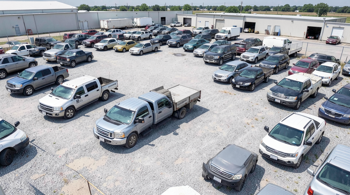
Government auction inventory originates from various sources, including retired municipal fleets, seized property from law enforcement investigations, abandoned vehicle programs, and surplus equipment from federal or state agencies 12. It is essential to distinguish between these categories, as the history of the vehicle often dictates its condition. For example, municipal fleet vehicles are frequently maintained on strict schedules, yet they may exhibit high mileage and extensive idling hours from their time in active service 3. In contrast, impounded or seized vehicles may arrive with unknown mechanical histories, missing keys, or specific title restrictions that require careful verification before any capital is committed 12.
The regulatory environment governing these sales is decentralized. Cities, counties, state agencies, and federal departments often utilize different auction houses, registration requirements, and payment policies to liquidate their assets 1. Consequently, prospective buyers should focus their research on auctions serving their specific region, ZIP code, or state, while verifying the legitimacy of the auctioneer to avoid third-party platforms that mimic government entities 1. Official government sites, such as those maintained by the GSA or local municipal departments, serve as the primary conduits for these transactions, providing transparent information regarding sale terms and expectations 89.
The Operational Reality of As-Is Acquisitions
The core principle governing government and police auctions is the as-is, where-is clause 57. This term serves as a definitive legal disclaimer indicating that the seller provides no warranties regarding the functionality, condition, or completeness of the vehicle 7. Unlike consumer-facing retail purchases where buyers are protected by implied warranties or return policies, government surplus buyers assume full responsibility for any existing mechanical, electrical, or structural issues upon the completion of the sale 57. This reality necessitates a rigorous commitment to independent due diligence by every participant.
Because the individuals managing the auction listings may be fleet coordinators rather than trained mechanics, the provided descriptions are often basic and should be treated as starting points rather than guarantees 5. Buyers should anticipate that vehicles might have been sitting in storage for extended periods, potentially leading to issues such as depleted batteries, seized components, or fluids requiring replacement 2. Before engaging in the bidding process, it is standard practice to verify if the agency facilitates in-person inspection windows, as this remains the most reliable method for assessing the actual state of the asset 5.
Critical Inspection and Pre-Bidding Due Diligence
Conducting a physical inspection prior to the auction is the most effective safeguard against unforeseen repair costs. When inspecting a potential purchase, one should evaluate the exterior body for signs of past accidents, inspect the undercarriage for rust, and review the condition of tires and fluids 10. Furthermore, it is vital to obtain the Vehicle Identification Number (VIN) to conduct independent research into the vehicle's background 10. Utilizing tools like the National Highway Traffic Safety Administration's recall lookup or the Department of Justice's NMVTIS consumer access portal allows buyers to identify potential salvage history, odometer discrepancies, or outstanding manufacturer recalls 811.
For those unable to conduct an in-person assessment, understanding the limitations of online documentation is crucial. If an agency permits an inspection, it may be restricted to a short appointment window, requiring the buyer to be prepared with a checklist of items to verify 25. Buyers must explicitly confirm whether the auction house allows for testing components or if the vehicle can be started during the preview period 10. Recognizing signs of flood damage, fire damage, or tampering with internal equipment such as lighting and communication systems is particularly important when evaluating retired police or emergency vehicles 210.
Calculating the Total Cost of Ownership
A frequent error among first-time participants is focusing exclusively on the final hammer price, ignoring the ancillary costs that constitute the total expenditure 10. Most auction platforms implement a buyer's premium, a percentage-based fee added to the winning bid, which typically ranges from 7.5% to 16.5% depending on the contract terms of the auction house 79. Failing to account for this surcharge can significantly alter the budget-to-value assessment, potentially turning a perceived discount into an overpayment compared to fair market value 7.
Beyond the buyer's premium, the purchaser is usually responsible for additional logistics and administrative requirements. These include, but are not limited to, state taxes, title transfer fees, registration, and the costs associated with physical recovery of the vehicle 710. Because most government surplus sites do not provide shipping, the buyer must arrange for towing or specialized transportation to remove the vehicle from the agency facility within a strict window, often ranging from three to ten business days 79. Failure to meet these removal deadlines can lead to daily storage charges, which can accumulate rapidly and further erode the financial viability of the acquisition 10.
Navigating Title and Legal Requirements
Title status is one of the most significant areas of risk in government vehicle sales. Buyers must determine in advance whether the vehicle is accompanied by a clean, transferable title, a salvage title, or limited documentation that might complicate the registration process in their home state 10. In some cases, seized property may involve complex legal procedures to secure a clear title, meaning the paperwork might not be available immediately upon the close of the auction 10. Verification of the transferability of the title is essential, as some vehicles are sold strictly for parts or scrap, which may prohibit them from ever being legally operated on public roadways 2.
When communicating with agencies, it is beneficial to ask specific questions regarding the documentation provided at the time of sale. Obtaining clarification on whether the agency provides a bill of sale, an official title, or a certificate of destruction is a standard step to avoid purchasing an asset that cannot be utilized as intended 10. Furthermore, checking local DMV requirements regarding the registration of vehicles with non-standard history is a prudent pre-purchase action. Engaging with these processes requires a level of patience, as the legal transition of ownership can occasionally span several weeks depending on the administrative speed of the agency involved 8.
Strategic Bidding and Risk Mitigation
Successful participants often establish a firm, data-backed limit before the auction commences. By comparing the potential vehicle's estimated condition and mileage against the current market prices for identical or comparable used models, one can maintain the objectivity necessary to avoid the pitfalls of competitive, emotion-driven bidding 10. It is also important to observe the auction format, as whether a sale is a live, in-person event or a timed online auction will dictate the pace and structure of the transaction 89. In live auctions, the auctioneer's rapid cadence is designed to maintain momentum, making it essential for the bidder to have predetermined their maximum threshold in advance to prevent overbidding in the heat of the moment 8.
Finally, always maintain a record of all communications, terms of sale, and transaction receipts associated with the purchase. If a dispute arises regarding the condition of the vehicle or the terms of the auction, these documents are the primary evidence available to the buyer 10. Remaining vigilant against fraudulent websites and unsolicited sales offers is a final, critical layer of defense; always verify that the site being accessed is indeed the authorized portal designated by the relevant government entity for the sale of its surplus assets 10.
Sources
- Government Auctions Blog - Police Auctions: How to Buy Without Guesswork
- Government Auctions Blog - How to Inspect Seized Vehicles Before Bidding
- GovAuctions.app - How to Buy a Government Surplus Vehicle (2026)
- BidProwl - Government Vehicle Auctions: $2k-$20k (2026)
- BidProwl - How to Inspect Before You Bid at Auction: What to Check (2026)
- ShiftedDot - Exploring Police Impound Car Auctions
- GovAuctions.app - 10 Things to Know Before Bidding on Government Auctions
- LegalClarity - Public Vehicle Auctions: What to Know Before You Bid
- BidProwl - How Government Auctions Work in 2026
- General research and standard buyer guidance (USA.gov, GSA, FTC, Consumer Reports, NHTSA, NICB)
- U.S. Department of Justice - NMVTIS Consumer Access Information
Authored by MyTrendSpot team