Women's High Heels and Pumps: An Analysis of Footwear Engineering and Ergonomics
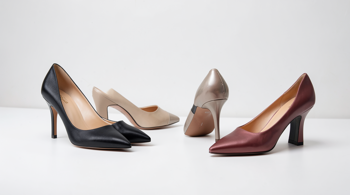
Women's high heels and pumps represent a significant category in the footwear market, defined by their aesthetic function and unique structural engineering. These shoes are generally characterized as footwear that elevates the heel of the wearer significantly higher than the toes 1. While the classic pump is defined by a low-cut front and a lack of fastening mechanisms like buckles or straps, the broader category of high heels encompasses various configurations, including stilettos, block heels, and platform designs 3, 5.
Historical Context and Evolutionary Design
The modern high-heeled shoe maintains a lineage traced back to 17th-century Persian cavalrymen, who utilized elevated heels to stabilize their feet within stirrups while riding 1. Over centuries, this functional design element transitioned into civilian fashion, evolving into the refined silhouettes observed today. Current market designs demonstrate a focus on balancing structural integrity with aesthetic appeal, utilizing materials ranging from calf leather and suede to high-grade synthetic polymers 9. Designers often incorporate architectural elements, such as metallic hardware or sculptural heels, to distinguish silhouettes while maintaining the traditional low-cut pump profile 4.
Biomechanics and Musculoskeletal Impact
The structural nature of high heels forces a shift in the wearer's center of gravity, which induces specific biomechanical adjustments in the lower back, knees, and ankles 4. Prolonged usage of such footwear is frequently linked to clinical concerns, including the development of bunions and hammertoes, as well as the potential for shortened calf muscles 2, 8. Biomechanical research confirms that the change in posture required to accommodate elevated heels exerts additional stress on the patellofemoral joint, which can lead to discomfort over extended durations of wear 4.
Ergonomics and Comfort Innovation
To address the physical strain associated with traditional footwear, modern manufacturing has increasingly prioritized ergonomic considerations. Designers now integrate cushioned footbeds and high-quality leather linings to improve load distribution across the ball of the foot 10. Furthermore, the inclusion of platform soles beneath the toe box is a common engineering technique used to reduce the effective pitch of the foot, effectively lowering the incline while maintaining the aesthetic height of the heel 7. Consumer data indicates that such comfort-focused features are becoming primary considerations in professional footwear selection 10.
Categorizing Heel Profiles and Stability
Different heel profiles serve varying functional and stylistic purposes within the footwear market. The stiletto, typically defined as a thin, tapered heel exceeding two inches in height, focuses on a specific sharp profile, often crafted from metal or reinforced plastic 6. Conversely, the block heel has gained substantial traction in recent years as a preferred alternative for individuals seeking increased ground contact and stability 5. Meanwhile, podiatric experts often identify the 'kitten heel'-ranging between 1.5 and 2 inches-as a moderate alternative that significantly reduces the pressure exerted on the metatarsal area 6.
| Heel Type | Typical Height Range | Primary Design Characteristic |
|---|---|---|
| Stiletto | 2 to 10+ inches | Thin, tapered, high-elevation spike |
| Block Heel | 1 to 4 inches | Wide, stable base for weight distribution |
| Kitten Heel | 1.5 to 2 inches | Low, tapered, ergonomic focus |
| Platform | Variable | Raised sole under the toe box |
Market Trends and Material Standards
The current market reflects a diversification in material application. High-end footwear brands often partner with certified tanneries to ensure standards in leather manufacturing and chemical management, emphasizing durability and finish 9. While luxury iterations often utilize silk or premium calfskin, the broader market includes synthetic-based materials that mimic these textures at various price points. Trends continue to oscillate between classic, minimalist designs and avant-garde, hardware-heavy styles, ensuring that the pump remains a staple in both casual and formal collections 5.
Regulatory and Maintenance Considerations
Maintaining high-quality footwear involves careful attention to material care and structural upkeep. Leather-soled pumps, for example, may require specialized maintenance to prevent premature wear. Additionally, consumers are often advised to consider fit and sizing, as standard manufacturing processes are optimized for specific foot shapes, and 'true to size' designations may vary by brand. Understanding the limitations of heel height and daily usage duration is a common recommendation provided by clinical professionals to mitigate the risks associated with the long-term impact on foot and spinal health 2.
Sources
- BBC News (https://www.bbc.com/news/magazine-21151350)
- American Osteopathic Association (https://osteopathic.org/what-is-osteopathic-medicine/harmful-effects-of-high-heels/)
- Britannica (https://www.britannica.com/topic/shoe)
- Harvard Health Publishing (https://www.health.harvard.edu/pain/the-downside-of-high-heels)
- Vogue (https://www.vogue.com/article/best-comfortable-block-heels)
- Fashion Encyclopedia (http://www.fashionencyclopedia.com/fashion_costume_culture/Footwear-High-Heels.html)
- Footwear News (https://footwearnews.com/feature/history-of-platform-shoes-1202737637/)
- Journal of the American Podiatric Medical Association (https://japmaonline.org/content/105/3/263)
- Business of Fashion (https://www.businessoffashion.com/articles/luxury/the-future-of-luxury-footwear)
- Forbes (https://www.forbes.com/sites/forbes-personal-shopper/article/most-comfortable-heels/)
Authored by MyTrendSpot team