Common warning signs of hypertension: A Clinical Overview of Diagnostic Challenges and Silent Progression
The Clinical Reality of Asymptomatic Hypertension
Hypertension is frequently referred to as the silent killer because it often progresses without producing any noticeable warning signs or physical symptoms 1. Even when blood pressure reaches levels capable of causing systemic damage to the brain, heart, kidneys, and eyes, individuals often report feeling entirely well 2. This absence of symptoms leads many to remain unaware of their condition, allowing vascular strain to accumulate over several years 4. Because there is no reliable physiological indicator for early or moderate hypertension, clinical guidelines emphasize that routine, objective measurement is the only effective way to identify the condition 9.
The lack of subjective warnings is particularly significant given the prevalence of the condition, which affects nearly half of the adult population in the United States 5, 7. Without standardized screening during routine primary care visits, these individuals may remain undiagnosed until an acute cardiovascular event or significant organ dysfunction occurs 7. Consequently, relying on physical sensations to gauge one's health status regarding blood pressure is considered medically inadequate, as hypertension is fundamentally a diagnostic condition confirmed only through consistent monitoring rather than symptom recognition 8.
Understanding the Mechanics of Blood Pressure Measurement
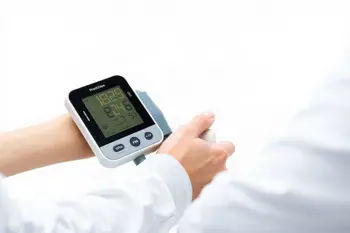
Blood pressure is defined as the force exerted by blood against the walls of the arteries as the heart pumps it throughout the body 3, 9. A standard measurement includes two distinct values: systolic pressure, which represents the force during a heartbeat, and diastolic pressure, which reflects the pressure in vessels between beats 2. These readings are measured in millimeters of mercury (mm Hg) and are fundamental in determining the classification of cardiovascular health 2. According to current clinical standards, readings below 120/80 mm Hg are generally categorized as normal, while persistent readings at or above 130/80 mm Hg suggest the presence of hypertension 5.
| Category | Systolic (mm Hg) | Diastolic (mm Hg) |
|---|---|---|
| Normal | Less than 120 | Less than 80 |
| Elevated | 120 to 129 | Less than 80 |
| Stage 1 Hypertension | 130 to 139 | 80 to 89 |
| Stage 2 Hypertension | 140 or higher | 90 or higher |
It is important to note that blood pressure fluctuates naturally due to factors like stress, physical activity, and pain 8. A single high reading does not necessarily confirm a diagnosis of chronic hypertension; instead, clinicians look for consistent elevations over multiple visits or through home monitoring data 2, 8. Because blood pressure can vary significantly throughout the day, the diagnostic process emphasizes the importance of tracking these values over time to ensure accuracy 1, 7.
Symptoms of Severely Elevated Blood Pressure
While standard hypertension is asymptomatic, severely elevated blood pressure can sometimes manifest through specific physiological signals 3. In rare instances, individuals with extremely high readings may experience severe headaches, blurred vision, chest pain, or shortness of breath 8. However, it is essential to recognize that these symptoms are not specific to hypertension and can often be attributed to other medical or environmental triggers 3. Clinical studies suggest that these signs often only appear once blood pressure has reached a critically high level over a period of time, indicating that substantial strain has already been placed on the body's internal systems 3, 8.
Other indicators sometimes associated with spikes in pressure include dizziness, nosebleeds, or facial flushing 8. These symptoms should be interpreted with extreme caution, as they are non-specific and do not provide a reliable confirmation of hypertension 8. In many cases, these physical sensations reflect temporary responses to acute stress, physical exertion, or external stimuli rather than chronic, structural high blood pressure 8. Therefore, professional medical assessment remains the only definitive way to distinguish between transient fluctuations and true hypertensive states 8.
Recognizing the Hypertensive Crisis
A hypertensive crisis is defined as a severe, rapid elevation in blood pressure that constitutes a medical emergency 6. This state is characterized by readings of 180/120 mm Hg or higher, which requires immediate clinical intervention 6. When such high numbers occur alongside signs of target-organ injury-such as chest pain, severe confusion, neurological deficits like numbness or weakness, visual disturbances, or breathing difficulties-it is considered a hypertensive emergency 6. These crises are often the result of uncontrolled hypertension or long-term medication non-adherence, and they can lead to permanent damage to the brain, heart, or kidneys if not treated immediately 6.
It is vital to distinguish between a hypertensive urgency and a hypertensive emergency. An urgency involves high blood pressure readings without acute evidence of organ damage, while an emergency involves actual, life-threatening complications to vital organs 6. Emergency medical evaluation is necessary for anyone presenting with these specific high readings, particularly if they are accompanied by neurological, respiratory, or cardiovascular symptoms 6. Given the life-threatening potential of these events, individuals with diagnosed hypertension are often advised to have a comprehensive management plan in place with their healthcare provider to prevent reaching such extreme levels 6.
Risks of Leaving Hypertension Untreated
The danger of untreated hypertension lies in its ability to silently degrade the cardiovascular system over many years 4. Chronic exposure to elevated force against the artery walls causes them to narrow, stiffen, and eventually lose their elasticity 7. This damage is progressive and often contributes to the development of serious health issues including heart failure, stroke, and chronic kidney disease 1, 3. Furthermore, persistent hypertension is a primary risk factor for peripheral artery disease, where restricted blood flow to the limbs occurs due to damaged arteries 7.
Beyond structural changes to the vascular system, untreated hypertension is linked to cognitive health risks, including a higher incidence of dementia 4. It also functions as a central component of metabolic syndrome, a cluster of conditions that significantly elevates the risk of developing diabetes 4. Because this damage occurs internally without causing visible pain or physical discomfort, many individuals do not perceive the urgency of maintaining healthy blood pressure levels through lifestyle modifications or medication, if prescribed 4, 7.
Proactive Management and Screening
Given the silent nature of hypertension, proactive screening is the cornerstone of effective management 4. Healthcare providers strongly recommend that adults undergo regular blood pressure checks as part of their routine preventive care 7. For those with a family history of hypertension or co-existing conditions such as diabetes or chronic kidney disease, more frequent monitoring is often advised 4. The goal of these screenings is to catch elevations early, before the systemic damage to the heart, arteries, or eyes becomes irreversible 7.
Management of identified hypertension typically involves a combination of lifestyle changes and, when necessary, pharmacological intervention 7. Lifestyle adjustments, such as increasing physical activity, reducing salt intake, achieving a healthy weight, and managing alcohol consumption, play a critical role in long-term blood pressure control 1. Adhering to a prescribed medication regimen-even when a person feels perfectly healthy-is equally vital to maintaining steady pressure and minimizing the risk of complications 1. By prioritizing regular measurement and following a physician-led care plan, individuals can mitigate the silent risks associated with persistent high blood pressure 7.
Sources
- Merck Manual Consumer Version: High Blood Pressure
- Harvard Health Publishing: High Blood Pressure (Hypertension)
- Family Doctor: High Blood Pressure (Hypertension)
- Mayo Clinic News Network: High blood pressure can happen at any age
- UC Davis Health: Blood pressure basics
- NCBI StatPearls: Hypertensive Crisis
- Scripps Health: High Blood Pressure: What Your Numbers Mean
- Acibadem International: Hypertension Symptoms Explained
- National Institute for Health and Care Excellence: Hypertension in adults
- Saint Joseph Health System: Signs and Symptoms of High Blood Pressure
Authored by MyTrendSpot team