Mastering Gala Attire: A Guide to Sophisticated Suits for Formal Events
Gala events are distinguished occasions that demand a heightened sense of style and formality. While the term 'suit' might broadly refer to various ensembles, a gala often requires a specific type of sophisticated attire designed to meet the expectations of such grand gatherings. Navigating the world of formal wear involves understanding dress codes, selecting appropriate garments, and paying meticulous attention to detail.
Understanding Gala Dress Codes
Before selecting an outfit for a gala, it is crucial to understand the event's dress code. The invitation usually specifies whether it is black-tie, white-tie, creative black-tie, or another formal category. Each of these codes carries distinct expectations for attire, guiding guests towards appropriate choices and preventing an inadvertent fashion misstep.
Black-tie is the most common formal dress code for galas, signifying a tuxedo is required. White-tie represents the highest level of formality, demanding a tailcoat ensemble. Creative black-tie offers a little more room for personal expression while still adhering to a formal framework. Familiarity with these distinctions is the first step toward impeccable gala attire.
The Classic Black-Tie Ensemble: The Tuxedo
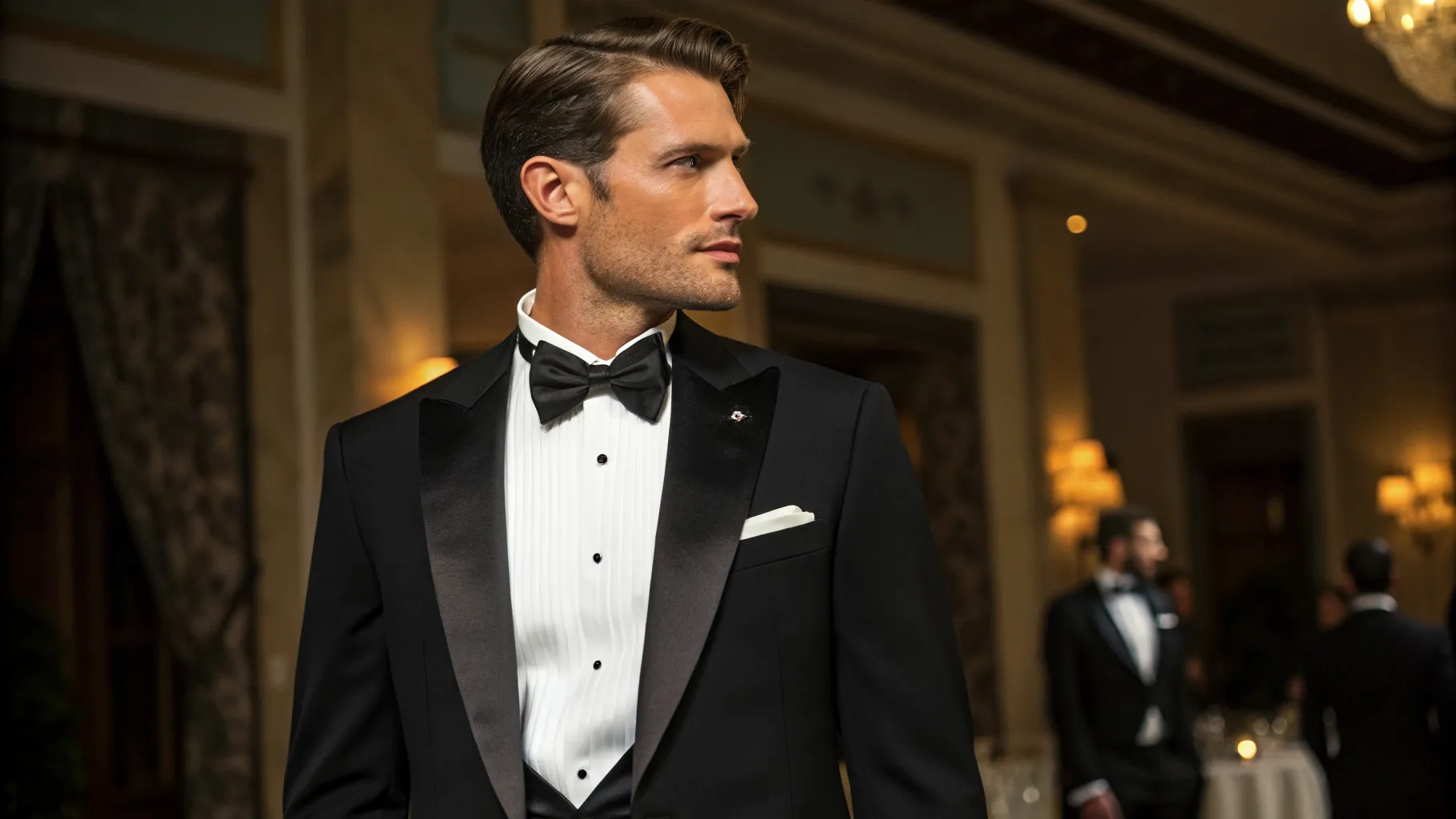
For most galas, a black-tie dress code means a tuxedo. A classic tuxedo typically consists of a black or midnight blue dinner jacket, trousers, a white dress shirt, a black bow tie, and black patent leather dress shoes. The jacket usually features satin or grosgrain lapels, which can be peaked or shawl style. Single-breasted jackets are common, but double-breasted options are also available.
The trousers matching the jacket are typically unbelted, often held up by suspenders, and may feature a satin stripe down the side seam. The dress shirt should have a pleated front, French cuffs, and a turn-down or wing collar. Accessorizing with cufflinks and stud sets for the shirt is essential to complete the traditional black-tie look.
White-Tie: The Pinnacle of Formal Wear
White-tie events are rare but signify the utmost formality, such as state dinners or very exclusive balls. This dress code requires a tailcoat, which is a black jacket with tails extending down the back, typically worn unbuttoned. The jacket features peaked lapels and is paired with matching trousers that often have two satin stripes down the side.
Underneath the tailcoat, a white pique waistcoast and a white stiff-fronted dress shirt with a wing collar are mandatory. The ensemble is completed with a white pique bow tie, white gloves (usually made of kid leather), and black patent leather dress shoes. This strict attire leaves little room for individual variation, emphasizing tradition and elegance.
Exploring Creative Black-Tie Options
Creative black-tie offers an opportunity to infuse some personal style into a formal setting while still respecting the underlying formality. This dress code might allow for variations on the traditional tuxedo, such as colored dinner jackets (e.g., burgundy, forest green, or even patterned velvet), a black dress shirt instead of white, or a more adventurous bow tie or pocket square. However, it is crucial to maintain an elevated and sophisticated aesthetic.
While personal expression is encouraged, the core elements of formality should remain. This means avoiding casual fabrics or overly flamboyant accessories that could detract from the gala's grandeur. The goal is to be distinctive and stylish, not informal. A dark, well-fitted suit made from a luxurious fabric, paired with formal accessories, can sometimes be an appropriate interpretation of creative black-tie if a tuxedo is not specified.
Fabric Choices and Details That Matter
The choice of fabric significantly impacts a suit's sophistication and how it drapes. For traditional tuxedos, wool gabardine or barathea are common choices, often with satin or grosgrain details. Velvet dinner jackets are a popular option for creative black-tie, offering a rich texture and luxurious feel. High-quality wool blends provide excellent drape and wrinkle resistance for more general formal suits.
Attention to details elevates the overall look. Lapel style (peak, notch, or shawl), button material (often covered in satin), and pocket design (jetted pockets are standard for formal wear) all contribute to the suit's refinement. These small elements, when harmonized, create a polished and coherent appearance suitable for a gala.
Fit is Paramount for Sophistication
Regardless of the chosen style or fabric, the fit of a suit is perhaps the most critical factor in achieving a sophisticated look. An ill-fitting suit, even one made from the finest materials, can undermine the entire ensemble. A well-tailored suit ensures that the jacket shoulders align with your own, the sleeves end at the wrist bone, and the trousers break correctly over your shoes without excessive bunching.
Investing in professional tailoring is often necessary to achieve the perfect fit. Ready-to-wear suits often require adjustments to the sleeve length, trouser length, and waist to create a custom-like appearance. A suit that fits impeccably not only looks better but also feels more comfortable, allowing you to move with ease and confidence throughout the event.
Accessorizing for Impact
Appropriate accessories complete and elevate a gala outfit. For black-tie, essential accessories include a black silk bow tie (self-tied for maximum elegance), a white pocket square (folded neatly, often in a presidential fold), cufflinks, and shirt studs. A classic dress watch with a thin profile and a leather strap is a suitable choice.
Footwear should always be black patent leather oxfords or velvet slippers for black-tie. White-tie dictates black patent leather dress shoes. For creative black-tie, there might be slightly more leeway, allowing for more unique cufflinks or a patterned pocket square, but the overall elegance must be maintained. Each accessory should complement the suit without overpowering it, contributing to a cohesive and refined presentation.
Authored by MyTrendSpot team