Mastering Your Home Renovation Cost: A Comprehensive Guide
Facts:
- Average ROI on minor kitchen remodels can exceed 70%.
- Demand for sustainable building materials impacts home renovation cost for eco-conscious homeowners.
Understanding the Core Factors Driving Home Renovation Cost
Embarking on a home renovation project can be an exhilarating journey, transforming your living space into the home of your dreams. However, one of the most significant considerations, and often a source of anxiety, is the overall home renovation cost. Accurately estimating these costs is paramount for successful planning and execution. From initial design to final touches, numerous variables contribute to the total remodeling expenses, making it crucial for homeowners to understand each component to avoid unforeseen financial setbacks. A well-defined budget and a clear understanding of potential expenditures are the cornerstones of any successful home improvement endeavor, ensuring your vision aligns with your financial capabilities.
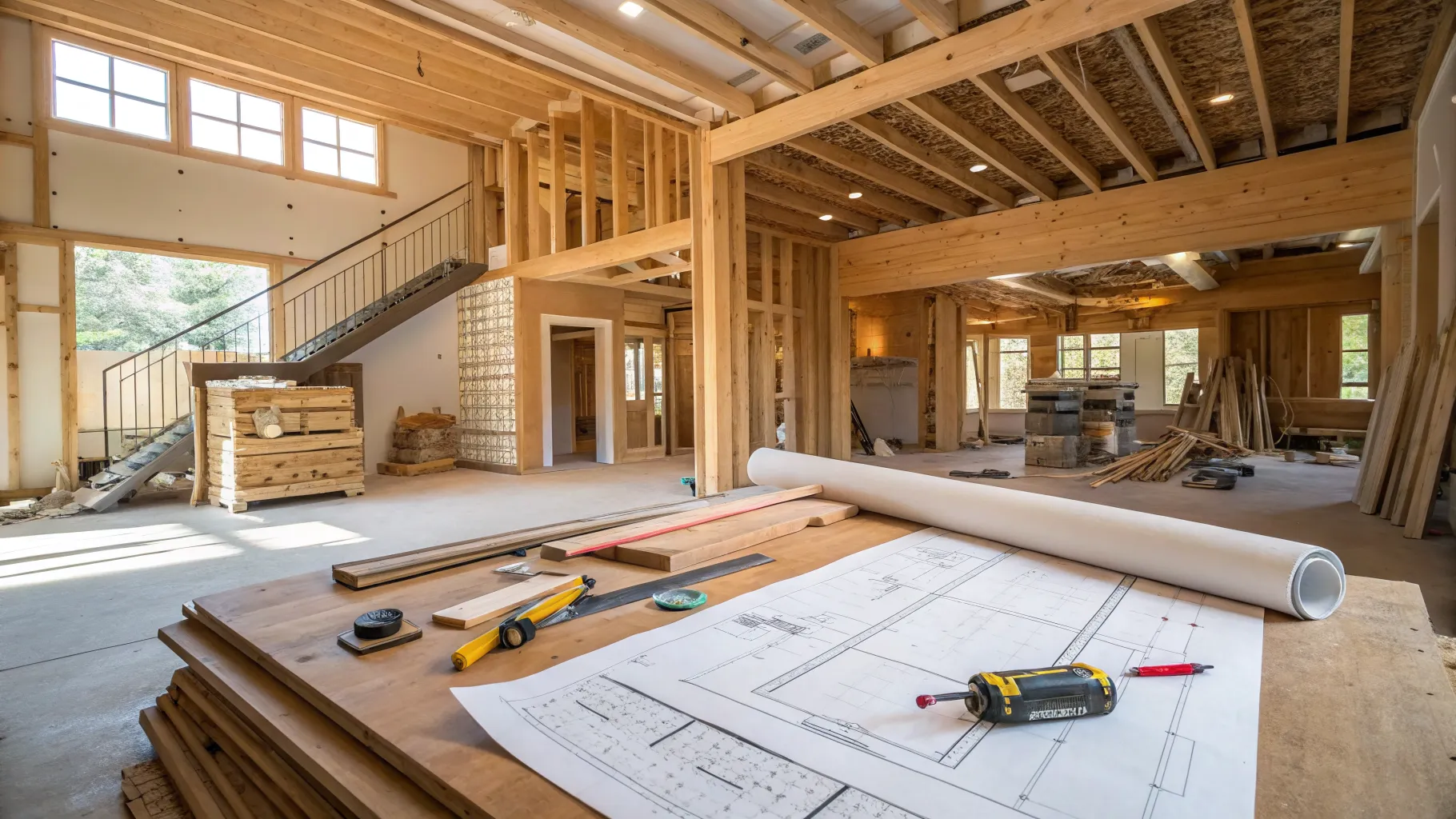
Detailed Breakdown of Typical Remodeling Expenses by Project Type
Kitchen Renovations: A Major Investment
Kitchen remodels consistently rank among the most expensive home improvements due to the intricate combination of cabinetry, appliances, countertops, and plumbing. The home renovation cost for a kitchen can range dramatically based on the scope – a minor refresh might involve new paint and cabinet refacing, while a full gut renovation includes structural changes, new layouts, and high-end finishes. Appliances alone can represent a substantial portion of the budget, with professional-grade models significantly increasing the overall remodeling expenses. Labor costs for electricians, plumbers, and cabinet installers also contribute heavily, making meticulous planning essential to control your home improvement budget for this critical space.
Bathroom Upgrades: Balancing Aesthetics and Function
Bathroom renovations, while often smaller in footprint than kitchens, still command significant cost of renovation due to specialized plumbing, tiling, and fixtures. Homeowners must factor in the price of bathtubs, showers, vanities, toilets, and the labor required for their installation. Material choices, from basic ceramic tiles to luxurious natural stone, can drastically impact the final price. Furthermore, unexpected issues like water damage behind walls or outdated piping can lead to additional remodeling expenses, emphasizing the need for a contingency fund when planning your bathroom's transformation. Ensuring proper waterproofing and ventilation are also critical elements that influence the budget.
Basement Finishing: Expanding Living Space
Finishing a basement is an excellent way to add functional living space, but it comes with its own set of home renovation cost considerations. Unlike kitchens or bathrooms, a basement often requires extensive foundational work, insulation, drywall, and potentially new electrical and plumbing systems if adding a bathroom or wet bar. The condition of the existing basement, including any moisture issues, will heavily influence initial expenditures. Creating a compliant living space might also involve egress window installation, which can be a significant addition to the overall cost of renovation. Careful planning ensures the space is safe, comfortable, and adds genuine value to your property.
Exterior Enhancements: Curb Appeal and Structural Integrity
Exterior renovations, such as roof replacement, siding updates, window installations, or deck construction, also factor into the overall home renovation cost. These projects not only enhance curb appeal but often address crucial structural or energy efficiency needs. Roofing materials vary widely in price and longevity, from asphalt shingles to metal or slate, each with different installation complexities. Siding replacement can dramatically change a home’s aesthetic and insulation properties, but constitutes a substantial remodeling expense. Investing in energy-efficient windows can reduce long-term utility bills but represents a notable upfront cost of renovation. Balancing aesthetic desires with practical needs is key for exterior projects.
Analyzing the Influence of Materials and Labor on Total Cost of Renovation
The two most significant drivers of any home renovation cost are materials and labor. Material selections encompass everything from structural components like lumber and drywall to finishing touches such as flooring, paint, and fixtures. Opting for premium materials, such as custom cabinetry, exotic hardwoods, or high-end tiles, will undeniably increase the overall remodeling expenses. Conversely, choosing more budget-friendly, readily available options can help keep the home improvement budget in check without necessarily sacrificing quality or aesthetics. Understanding the long-term value and durability of materials is crucial in making informed decisions.
Labor costs represent the fees paid to contractors, specialized tradespeople (electricians, plumbers, carpenters), and any project managers. These costs can vary significantly based on geographic location, the complexity of the job, and the reputation and experience of the professionals hired. While DIY projects can reduce labor costs, they often come with increased time commitments and the potential for errors if not executed by experienced individuals. Hiring licensed and insured professionals, although a higher upfront cost of renovation, often ensures quality workmanship, adherence to building codes, and peace of mind, ultimately protecting your investment in the house remodeling project.
Smart Strategies for Managing Your Home Improvement Budget Effectively
- Establish a Detailed Budget: Begin by outlining every anticipated expense, no matter how small. Research average costs for materials and labor in your area. This initial step is critical for understanding the potential home renovation cost and setting realistic financial expectations.
- Prioritize and Scope Carefully: Decide which renovations are most critical and which can be deferred. A clear scope of work helps prevent 'scope creep,' where additional features or changes are added during the project, drastically increasing remodeling expenses. Focus on high-impact areas first.
- Obtain Multiple Bids: Always get at least three detailed quotes from different contractors. This allows for comparison of pricing, services, and timelines, ensuring you get a fair cost of renovation for your project. Be wary of quotes that are significantly lower than others, as they might indicate hidden costs or compromised quality.
- Build a Contingency Fund: Unexpected issues are common in renovations. Allocate 10-20% of your total estimated home improvement budget for unforeseen problems like structural surprises, plumbing leaks, or material delays. This fund is essential for absorbing sudden increases in home renovation cost without derailing your project.
- Consider DIY Judiciously: While some tasks can be handled by homeowners to save on labor, accurately assess your skills and time availability. Incorrect DIY work can lead to costly repairs by professionals later, ultimately increasing the overall house remodeling expenditures. Focus on tasks you are genuinely competent in.
- Track Expenses Religiously: Maintain meticulous records of all expenditures throughout the project. Use spreadsheets or budgeting apps to track invoices, receipts, and payments. This helps you stay within your home improvement budget and understand where your money is going, providing clarity on the true cost of renovation.
Exploring Renovation Financing Options for Your Project
For many homeowners, funding a significant home renovation requires exploring various financing avenues. Understanding your options is key to managing the overall home renovation cost. One common approach is a home equity loan or a home equity line of credit (HELOC), which allows you to borrow against the equity built up in your home. These options often offer competitive interest rates because your home serves as collateral. However, they also increase your debt against your property.
Another popular choice for financing remodeling expenses is a personal loan, which is typically unsecured and may have higher interest rates but offers quicker access to funds without using your home as collateral. Additionally, cash-out refinancing can provide a lump sum by replacing your existing mortgage with a larger one. Government-backed programs, specialized renovation loans (like an FHA 203(k) loan), and even credit cards for smaller purchases can also play a role in your renovation financing strategy. Each option has unique terms, interest rates, and eligibility requirements, so careful research and consultation with financial advisors are crucial to selecting the best fit for your home improvement budget and financial situation.
Anticipating and Mitigating Unexpected Variables in Your House Remodeling Project
Even the most meticulously planned home renovation can encounter unforeseen challenges that impact the final home renovation cost. Old homes, in particular, often hide surprises like outdated electrical wiring, asbestos, lead paint, or structural damage that only become apparent once walls are opened up. These discoveries can lead to significant additional remodeling expenses and delays, making the contingency fund discussed earlier absolutely vital. Permitting issues or changes in local building codes can also affect timelines and budget, requiring modifications to original plans.
To mitigate these risks, conducting thorough pre-renovation inspections by qualified professionals can help identify potential issues before demolition begins. Engaging an experienced contractor who is adept at problem-solving and transparent about potential risks is also invaluable. Maintaining open communication with your project team, being flexible with your schedule, and having a realistic understanding that some level of uncertainty is inherent in any house remodeling project will help manage expectations and prevent small issues from escalating into major financial burdens. Being prepared for the unexpected is a critical component of successful home improvement budget management.
Frequently Asked Questions
What is the average home renovation cost for a kitchen?
The average home renovation cost for a kitchen can vary significantly, but minor remodels typically range from $15,000 to $40,000, while a major, high-end kitchen renovation can easily exceed $75,000 to $100,000. Factors influencing this include the size of the kitchen, quality of materials (cabinets, countertops, appliances), and the extent of structural or layout changes. Labor costs for specialized trades like plumbers and electricians also contribute substantially to these remodeling expenses.
How can I reduce my overall cost of renovation?
To reduce your overall cost of renovation, consider several strategies: prioritize essential upgrades, perform some DIY tasks if skilled, choose more affordable but durable materials, obtain multiple bids from contractors, and avoid major structural changes that require extensive labor. Sticking to the existing footprint for kitchens and bathrooms can significantly lower home renovation cost by minimizing plumbing and electrical work. Careful planning and strict adherence to your home improvement budget are crucial.
Is renovation financing always necessary for large projects?
While not always strictly necessary, renovation financing is often a practical solution for large home improvement projects where outright cash payment isn't feasible or desirable. Options like home equity loans, HELOCs, or personal loans can help spread the home renovation cost over time. For smaller projects, savings or credit cards might suffice, but for substantial house remodeling, financing can preserve cash flow and allow you to complete your desired upgrades without depleting your emergency funds.
What hidden remodeling expenses should I anticipate?
Hidden remodeling expenses can include several factors. Older homes might uncover issues like asbestos, lead paint, mold, or outdated electrical/plumbing systems which require costly remediation. Permitting fees, unexpected material price increases, disposal fees for debris, temporary living arrangements during extensive renovations, and the need for upgraded infrastructure (e.g., a larger electrical panel) can all contribute to unforeseen additions to your home renovation cost. Always budget a contingency fund of 10-20% for these potential surprises.
References
- National Association of the Remodeling Industry (NARI)
- Remodeling Magazine's Cost vs. Value Report
- U.S. Census Bureau Construction Spending Reports
- HomeAdvisor Industry Data
- Consumer Reports Home Improvement Guides
Authored by MyTrendSpot team