Understanding Your Hardwood Floor Installation Cost: A Comprehensive Guide
Facts:
- Average hardwood floor installation cost ranges widely.
- Demand for sustainable wood floor installation growing for eco-conscious homeowners.
Deconstructing the Hardwood Floor Installation Cost: What You Need to Know
Embarking on a home renovation project often brings the exciting prospect of new flooring. When considering the timeless elegance of wood, understanding the true hardwood floor installation cost is paramount. This comprehensive guide will delve into the various factors that influence the overall wood floor installation budget, helping you make informed decisions and achieve the beautiful, durable floors you desire without unexpected financial surprises. From material choices to labor rates and essential preparatory work, we'll explore every aspect contributing to the final cost of hardwood floors, ensuring you're well-equipped for your next home improvement venture.
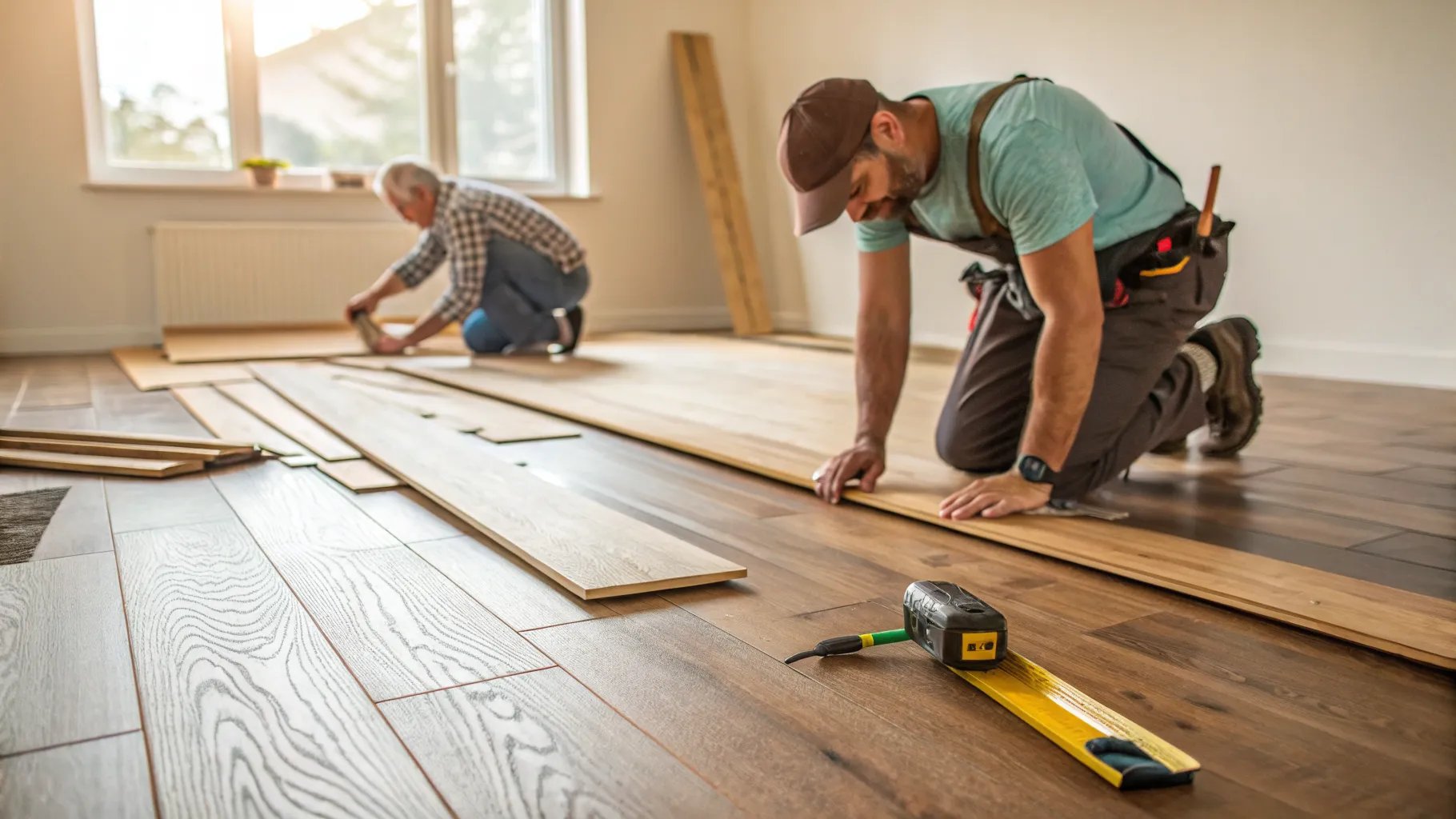
Factors Influencing Your Hardwood Floor Installation Cost
The total hardwood floor installation cost is a mosaic of several contributing elements, each playing a significant role in the final price tag. Delving into these factors individually provides a clearer picture of where your investment goes and how you can potentially manage your budget effectively for your wood floor installation project.
Material Choices: Solid vs. Engineered Hardwood
The type of hardwood you select is perhaps the single biggest determinant of your overall cost of hardwood floors. Solid hardwood flooring price typically sits at the higher end due to its longevity, ability to be refinished multiple times, and the pure natural material. Species like oak, maple, and cherry are common, with exotic woods like Brazilian walnut or tigerwood commanding premium prices. In contrast, engineered hardwood cost is often more budget-friendly. Engineered planks consist of multiple layers, with a real wood veneer on top, making them more stable in fluctuating humidity and a viable option for various subfloors. The thickness of the veneer significantly impacts both durability and price, with thicker veneers allowing for more refinishing cycles, thus increasing their initial investment.
Labor Costs: Expertise and Geography
Professional installation is crucial for the longevity and aesthetic appeal of your new floors. Labor costs for hardwood floor installation cost vary widely based on geographical location, the installer's experience, and the complexity of the job. Highly skilled craftsmen who specialize in intricate patterns or custom designs will naturally charge more per square foot or per hour. Urban areas generally see higher labor rates compared to rural regions. It's essential to obtain detailed quotes that specify labor charges, including preparation, installation, and any finishing work, to get an accurate estimate for your specific wood floor installation.
Subfloor Preparation and Demolition
Before any new flooring can be laid, the existing subfloor must be in optimal condition. This often involves additional costs that contribute to the overall hardwood floor installation cost. Demolition of old flooring, such as carpet, tile, or existing hardwood, will incur labor and disposal fees. More importantly, the subfloor itself might require repairs, leveling, or moisture mitigation to ensure a stable and lasting foundation for the new hardwood. Unforeseen issues, like significant subfloor damage or mold, can add substantially to the project's timeline and budget, making a thorough pre-installation inspection vital for managing the final cost of hardwood floors.
Additional Services and Finishing Touches
Beyond the basic installation, several optional yet often necessary services can impact your hardwood floor installation cost. These can include the removal and reinstallation of baseboards and trim, custom cuts for vents or transitions, and specialized finishes like custom stains or sealants. Some homeowners opt for unique laying patterns, such as herringbone or chevron, which are more labor-intensive and thus increase the overall wood floor installation expense. Factor in these details when planning your budget, as they can significantly enhance the final look but also elevate the final cost of hardwood floors.
Project Scope and Complexity
The size and layout of the area being floored play a direct role in the total hardwood floor installation cost. Larger, open spaces might have a lower per-square-foot cost due to efficiency, while smaller rooms with many cuts or intricate angles can increase labor time and material waste. Installations involving stairs, landings, or multiple transitions between rooms add significant complexity and time, pushing up the labor portion of the cost of hardwood floors. The more intricate the project, the more specialized tools and techniques are required, all of which contribute to the final price.
Comparing Hardwood Types: Investment vs. Initial Outlay
When evaluating the hardwood floor installation cost, it's crucial to distinguish between the initial outlay and the long-term investment. While solid hardwood often has a higher upfront solid hardwood flooring price, its unparalleled durability and the ability to be refinished multiple times over decades mean it can offer superior value over the lifespan of your home. This makes the long-term cost of hardwood floors potentially lower for solid wood. Engineered hardwood, with its typically lower engineered hardwood cost, provides a more accessible entry point to genuine wood flooring and performs well in environments where solid wood might struggle, such as basements or humid climates. However, its refinishing capacity is limited by the thickness of its top veneer, meaning its lifespan, while substantial, might not match that of solid hardwood. Considering your home's specific conditions, your budget, and how long you plan to stay in the home will guide you in choosing the most appropriate and cost-effective wood for your wood floor installation.
Maximizing Value: Actionable Advice for Your Wood Floor Installation
Navigating the various factors influencing your hardwood floor installation cost can be daunting, but with smart planning, you can maximize your investment and achieve stunning results. Thoughtful preparation and informed decisions are key to a successful and cost-effective wood floor installation project.
- Obtain Multiple Quotes: Always get at least three detailed quotes from reputable contractors. Compare not just the total price, but also what each quote includes in terms of materials, labor, subfloor preparation, and warranty. This can reveal significant differences in the estimated cost of hardwood floors.
- Inquire About Warranties: Understand the warranty offered on both the product and the installation. A strong warranty can provide peace of mind and protect your investment against future issues related to material defects or improper installation, safeguarding your hardwood floor installation cost.
- Consider DIY for Minor Prep: If you're handy, performing tasks like removing old carpeting or clearing the room of furniture can slightly reduce labor costs, thereby lowering your overall hardwood floor installation cost. However, leave subfloor repairs and actual installation to professionals.
- Factor in Future Maintenance: Different wood species and finishes require varying levels of maintenance. Consider the long-term care and associated costs when making your initial material selection, as this impacts the true lifetime cost of hardwood floors.
- Time Your Project Wisely: Some contractors offer lower rates during off-peak seasons. If your schedule allows, consider planning your wood floor installation during less busy times to potentially secure better pricing on labor.
Frequently Asked Questions
What is the average hardwood floor installation cost per square foot?
The average hardwood floor installation cost per square foot typically ranges from $6 to $12 for materials and $3 to $8 for labor, resulting in a total of $9 to $20 per square foot. This can vary based on wood type, location, and project complexity.
Does engineered hardwood always have a lower cost of hardwood floors compared to solid hardwood?
Generally, engineered hardwood tends to have a lower upfront cost of hardwood floors than solid hardwood, primarily due to the manufacturing process and use of fewer premium wood layers. However, high-end engineered options can sometimes rival the price of mid-range solid hardwoods.
How long does a typical wood floor installation project take?
The duration of a typical wood floor installation project depends on the area's size, the type of wood, and subfloor conditions. A 500-square-foot room might take 2-4 days for installation alone, not including acclimatization time for the wood or extensive subfloor preparation.
References
- National Association of Home Builders
- Flooring Industry Reports
- Local Contractor Estimates
Authored by MyTrendSpot team