Mastering Your Plate: The Ultimate Anti-Inflammatory Diet Food List
Facts:
- Reducing inflammation can improve overall well-being.
- Demand for healthy eating and dietary patterns continues to rise for proactive health.
Understanding the Foundations of an Anti-Inflammatory Diet
Embarking on an anti-inflammatory diet food list is a powerful step towards mitigating chronic inflammation and enhancing overall well-being. This dietary approach focuses on incorporating nutrient-dense foods that actively combat inflammatory processes within the body, while minimizing those known to exacerbate them. It's more than just a diet; it's a lifestyle shift aimed at supporting your body's natural healing mechanisms and promoting long-term gut health and vitality.
Key Anti-Inflammatory Foods to Integrate Daily
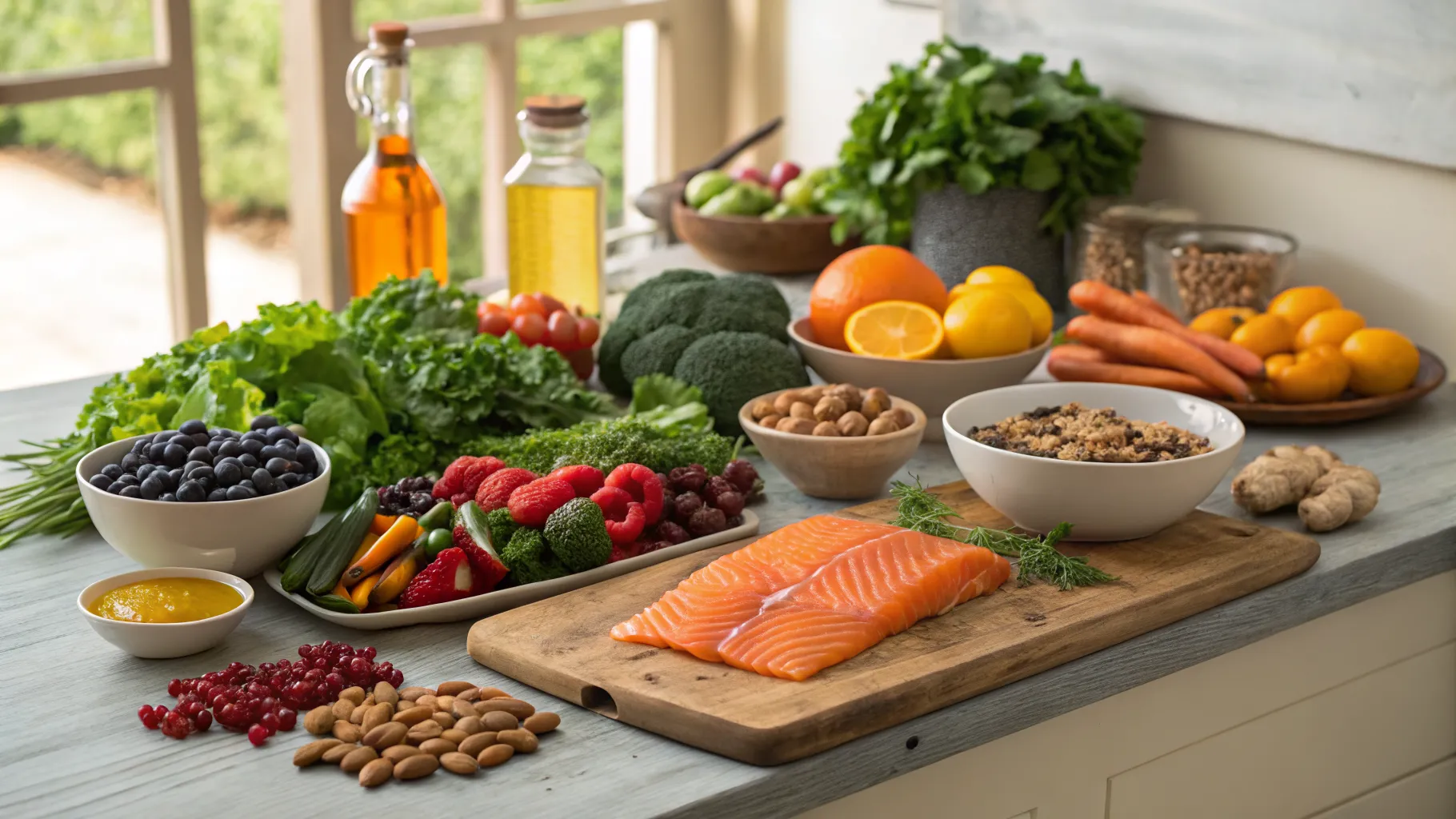
Integrating specific anti-inflammatory foods into your daily routine is crucial for experiencing the benefits of this dietary approach. These foods are packed with antioxidants, healthy fats, and essential nutrients that work synergistically to reduce inflammation. Focusing on whole, unprocessed ingredients forms the cornerstone of these dietary patterns, leading to improved health outcomes and a noticeable difference in how your body feels and functions. Making these choices consistently can significantly impact the management of chronic inflammation.
Leafy Green Vegetables and Cruciferous Powerhouses
Leafy greens like spinach, kale, and collard greens are nutritional powerhouses, rich in vitamins, minerals, and potent antioxidants such as flavonoids and carotenoids. These compounds are instrumental in neutralizing free radicals, thereby reducing oxidative stress and inflammation. Similarly, cruciferous vegetables like broccoli, cauliflower, and Brussels sprouts contain sulforaphane and indole-3-carbinol, which support detoxification pathways and exert powerful anti-inflammatory effects. Consuming a variety of these vegetables daily is a foundational element for anyone building an effective anti-inflammatory diet food list.
Berry Bounty and Other Vibrant Fruits
Berries, including blueberries, raspberries, strawberries, and blackberries, are particularly high in anthocyanins, which are potent antioxidants responsible for their vibrant colors. These compounds have been extensively studied for their ability to combat inflammation and protect cellular health. Beyond berries, other fruits such as oranges, cherries, and pomegranates also offer significant anti-inflammatory benefits due to their rich vitamin C and polyphenol content. Incorporating a colorful array of fruits contributes significantly to a well-rounded strategy for healthy eating focused on inflammation reduction.
Omega-3 Rich Fatty Fish and Healthy Fats
Fatty fish like salmon, mackerel, sardines, and anchovies are exceptional sources of omega-3 fatty acids, specifically EPA and DHA. These essential fats are crucial for modulating the body's inflammatory response, helping to reduce the production of inflammatory molecules. Regular consumption of these fish is a cornerstone of an anti-inflammatory diet food list. Complementing this, healthy fats from sources like extra virgin olive oil, avocados, and nuts (walnuts, almonds) provide monounsaturated and polyunsaturated fats that further support a balanced inflammatory response and contribute to overall gut health.
Nuts, Seeds, and Legumes: Plant-Based Protein and Fiber
Nuts and seeds, such as flaxseeds, chia seeds, and almonds, offer a valuable combination of omega-3s, fiber, and antioxidants, all of which play a role in reducing inflammation. Legumes like lentils, chickpeas, and black beans are excellent sources of plant-based protein and dietary fiber. Fiber is vital for supporting a healthy gut microbiome, which in turn influences systemic inflammation. A thriving gut environment is key to managing chronic inflammation, making these components indispensable for effective dietary patterns designed to promote wellness.
Herbs and Spices: Nature's Potent Anti-Inflammatories
Many herbs and spices are renowned for their powerful anti-inflammatory properties. Turmeric, containing curcumin, is one of the most well-researched, demonstrating significant inflammation-reducing effects. Ginger, garlic, cinnamon, and cayenne pepper also possess compounds that can help calm the body's inflammatory pathways. Incorporating these flavor-enhancers into your cooking not only makes your meals more delicious but also amplifies their anti-inflammatory potential, making them essential additions to any comprehensive anti-inflammatory diet food list.
Building Your Personalized Anti-Inflammatory Meal Plan
Creating a personalized meal plan is crucial for sustainable adoption of an anti-inflammatory diet food list. This involves understanding your preferences, dietary restrictions, and daily routine. Start by identifying your favorite anti-inflammatory foods from each category and planning how to incorporate them into breakfasts, lunches, and dinners. Think about nutrient combinations and balanced meals that provide sustained energy and satiety. For example, a breakfast could be oatmeal with berries and flaxseeds, lunch a large salad with grilled salmon and olive oil dressing, and dinner a lentil stew with plenty of vegetables. This structured approach to healthy eating helps ensure you consistently meet your nutritional needs while actively fighting chronic inflammation.
Practical Strategies for Sustainable Anti-Inflammatory Eating
Adopting new dietary patterns requires practical strategies to ensure long-term success. Focus on small, manageable changes rather than a complete overhaul overnight. Start by swapping out processed snacks for fresh fruits or nuts. Gradually introduce more vegetables and plant-based proteins into your meals. Meal prepping can be an invaluable tool, allowing you to have healthy, ready-to-eat options throughout the week. Experiment with new recipes that feature anti-inflammatory foods to keep your meals exciting and prevent boredom. Staying hydrated with water and herbal teas also plays a vital role in supporting overall cellular function and detoxification, contributing to better gut health and reduced inflammation. Consistency is key, so find enjoyable ways to make these choices a regular part of your routine.
- Start Small with Swaps: Begin by replacing one or two inflammatory foods in your daily diet with alternatives from the anti-inflammatory diet food list. For instance, switch from refined grains to whole grains or from sugary drinks to water infused with fruit.
- Prioritize Whole Foods: Make whole, unprocessed foods the foundation of your diet. Focus on fresh produce, lean proteins, and healthy fats, minimizing intake of highly processed items that often contain inflammatory ingredients.
- Plan Your Meals: Dedicate time each week to plan your meals and grocery list. This proactive step helps ensure you have all the necessary anti-inflammatory foods on hand and reduces the likelihood of resorting to less healthy options out of convenience.
- Experiment with Herbs and Spices: Leverage the power of anti-inflammatory herbs and spices like turmeric, ginger, and garlic in your cooking. They not only add flavor but also boost the anti-inflammatory properties of your meals.
- Hydrate Adequately: Drink plenty of water throughout the day. Proper hydration supports metabolic processes and helps the body flush out toxins, which can contribute to reducing chronic inflammation and maintaining optimal gut health.
Frequently Asked Questions
What exactly is an anti-inflammatory diet food list?
An anti-inflammatory diet food list is a curated selection of foods rich in compounds that help reduce inflammation in the body. It emphasizes fruits, vegetables, whole grains, lean proteins, and healthy fats, while limiting processed foods, added sugars, and unhealthy fats known to promote inflammation. The goal is to support the body's natural defense mechanisms and promote overall wellness by managing chronic inflammation.
Can an anti-inflammatory diet help with weight loss?
While not primarily a weight-loss diet, an anti-inflammatory diet can often lead to healthy weight loss or maintenance. This is because it focuses on whole, nutrient-dense foods that promote satiety and stable blood sugar levels, reducing cravings and overeating. Improved gut health and reduced inflammation can also optimize metabolism, further assisting with weight management as part of a holistic approach to healthy eating.
How long does it take to see results from an anti-inflammatory diet?
The time it takes to see results from an anti-inflammatory diet can vary significantly among individuals, depending on the severity of their inflammation, adherence to the diet, and individual physiology. Some people may experience improvements in energy levels, digestion, and pain reduction within a few weeks, while others with more deeply entrenched chronic inflammation might require several months to notice significant changes. Consistency in following these dietary patterns is key.
References
- Harvard Health Publishing. "Foods that fight inflammation."
- Journal of Inflammation Research. "The Role of Diet in Chronic Inflammatory Diseases."
- American Journal of Clinical Nutrition. "Dietary patterns and inflammatory biomarkers."
- British Journal of Nutrition. "Omega-3 Fatty Acids and Inflammation."
- World Journal of Gastroenterology. "Gut microbiota and chronic diseases."
Authored by MyTrendSpot team