Revolutionary Macular Degeneration Treatment: Advancements in AMD Therapies
Facts:
- Macular degeneration is a leading cause of vision loss globally.
- New gene therapies show promising results for inherited retinal diseases, offering hope for future AMD therapies.
Pioneering Advancements in Macular Degeneration Treatment
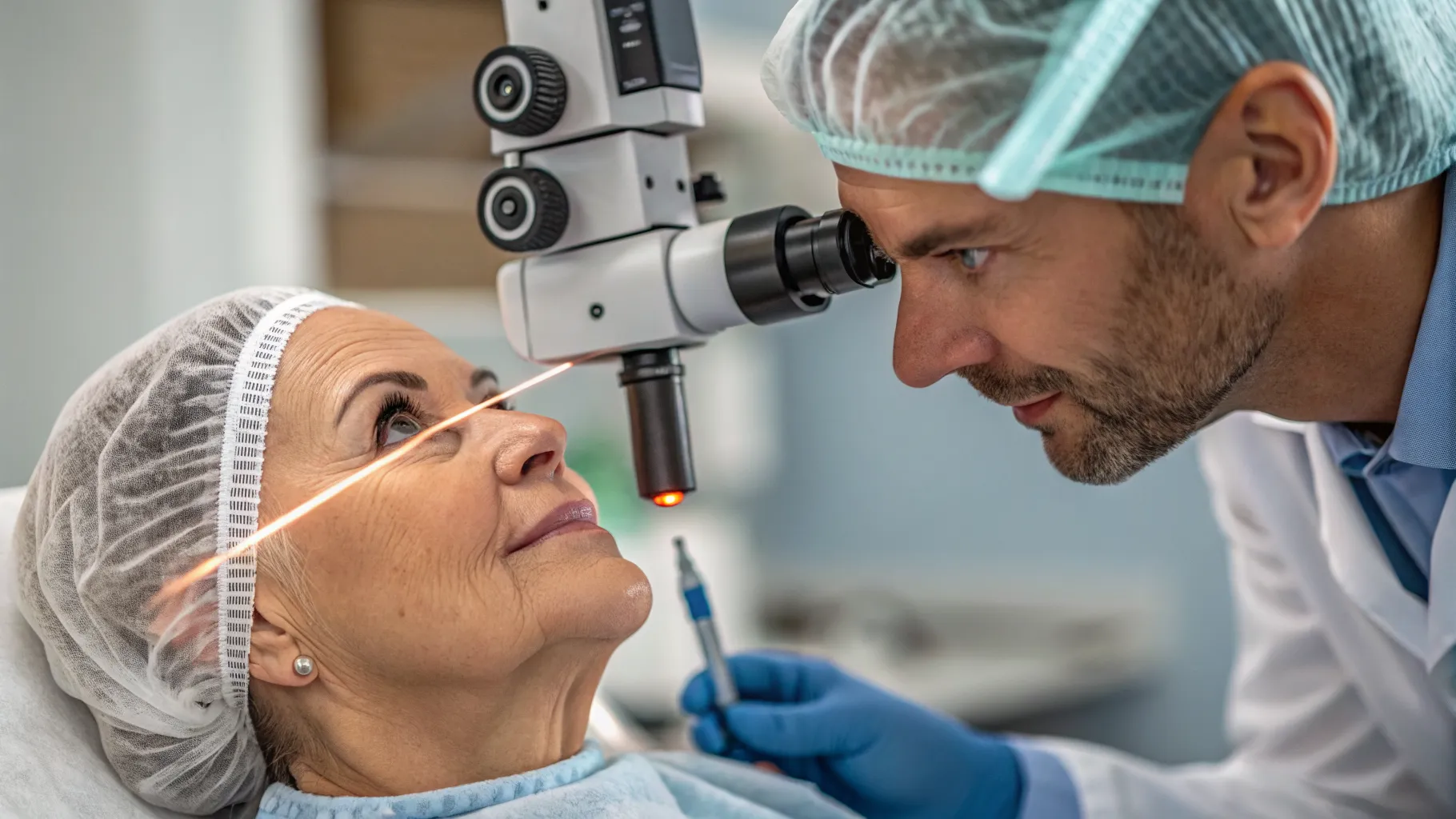
The landscape of macular degeneration treatment is undergoing a profound transformation, ushering in an era of unprecedented hope for millions affected by this debilitating eye condition. Historically, options were limited, particularly for the more prevalent dry form of the disease. However, relentless research and technological innovation are now yielding a diverse array of novel eye treatments that promise not only to halt progression but, in some cases, to restore lost sight. These breakthroughs encompass a spectrum of approaches, from sophisticated gene therapies to advanced cellular interventions and innovative drug delivery systems, all aimed at preserving and enhancing retinal health. Understanding these emerging strategies is crucial for patients, caregivers, and clinicians alike, as they represent the frontier of vision loss prevention and management.
Targeting Wet AMD: Beyond Anti-VEGF Injections
For years, anti-VEGF injections have been the cornerstone of wet AMD management, dramatically improving outcomes for many patients. These therapies work by inhibiting vascular endothelial growth factor, a protein that promotes the growth of abnormal blood vessels that leak fluid and blood into the macula. While highly effective, the burden of frequent intravitreal injections poses significant challenges for patients and healthcare systems. Recent advancements in macular degeneration treatment are focused on developing longer-acting anti-VEGF agents and novel drug delivery platforms. This includes sustained-release implants that can deliver medication for several months, reducing the frequency of injections. Furthermore, bispecific antibodies that target multiple pathways, and gene therapies designed to prompt the eye's own cells to produce anti-VEGF proteins, are showing promise in clinical trials. These innovations aim to provide more durable disease control and improve patient adherence, marking a significant evolution in AMD therapies for neovascular forms of the disease.
Innovations for Dry AMD and Geographic Atrophy
Dry age-related macular degeneration (dry AMD), particularly its advanced form known as geographic atrophy (GA), has long been an area with limited treatment options. This form of the disease accounts for the vast majority of AMD cases and leads to progressive, irreversible vision loss due to the degeneration of photoreceptors and retinal pigment epithelial cells. However, this is rapidly changing with several exciting new AMD therapies reaching or nearing market availability. Complement inhibitors, such as pegcetacoplan and avacincaptad pegol, represent the first approved treatments for geographic atrophy. These drugs work by targeting components of the complement system, an inflammatory pathway believed to play a central role in GA progression. Beyond these, research is exploring neuroprotective agents to safeguard existing retinal cells, stem cell transplantation to replace damaged cells, and gene therapies aimed at bolstering the eye's natural defenses against oxidative stress and inflammation. These groundbreaking efforts are pivotal in providing new avenues for vision loss prevention in patients with dry AMD.
Exploring Gene and Cell-Based AMD Therapies
The advent of gene and cell-based therapies represents a paradigm shift in the approach to macular degeneration treatment, offering the potential for single-dose, long-term therapeutic effects. Gene therapies involve introducing new genetic material into the retinal cells to either produce therapeutic proteins (like anti-VEGF) or to correct genetic defects that predispose individuals to AMD. Viral vectors, often adeno-associated viruses (AAV), are used as delivery vehicles due to their ability to efficiently target retinal cells. For instance, gene therapies are being explored to enable sustained production of anti-VEGF proteins for wet AMD, thereby eliminating the need for recurrent injections. Concurrently, cell-based therapies involve transplanting healthy retinal cells, such as retinal pigment epithelial (RPE) cells or photoreceptor precursors, into the macula. The goal is to replace cells lost due to disease progression, potentially restoring visual function in patients with advanced dry AMD and geographic atrophy. These regenerative approaches hold immense promise for rebuilding and repairing the damaged retina, significantly advancing the prospects for preserving retinal health.
Diagnostic Breakthroughs and Personalized Macular Degeneration Treatment
Precision medicine is increasingly influencing the field of ophthalmology, leading to more targeted and effective macular degeneration treatment strategies. Advancements in diagnostic imaging, particularly optical coherence tomography (OCT) and angiography (OCTA), provide clinicians with unprecedented detail about the structural and vascular changes occurring in the retina. Artificial intelligence (AI) and machine learning algorithms are now being integrated into these diagnostic tools to identify subtle biomarkers of disease progression earlier, predict treatment response, and even forecast the risk of developing advanced AMD. This allows for earlier intervention and more personalized treatment plans tailored to an individual's specific disease characteristics and genetic profile. Furthermore, genetic testing is beginning to play a role in identifying individuals at higher risk for AMD and those who might respond better to specific AMD therapies. The convergence of advanced diagnostics, AI, and genetic insights is paving the way for truly individualized and proactive management of this complex condition, enhancing the potential for effective vision loss prevention.
Future Outlook and Vision Loss Prevention Strategies
The future of macular degeneration treatment is bright, with a robust pipeline of innovative therapies poised to redefine patient care. Ongoing clinical trials are exploring combination therapies that target multiple disease pathways simultaneously, aiming for synergistic effects and more comprehensive disease control. Emerging areas include optogenetic therapies, which use light-sensitive proteins to restore light perception in degenerated retinas, and neurotrophic factors designed to protect and support retinal neurons. Beyond treatment, emphasizing proactive strategies for vision loss prevention remains paramount. Here are key actionable advice points:
- Regular Eye Examinations: Schedule comprehensive dilated eye exams annually, especially if you are over 50 or have a family history of AMD. Early detection is crucial for timely intervention and better outcomes in retinal health management.
- Healthy Lifestyle Choices: Adopt a diet rich in antioxidants, omega-3 fatty acids, and leafy green vegetables. Quitting smoking is perhaps the most impactful step, as smoking significantly increases AMD risk and progression.
- UV Protection: Wear sunglasses that block 100% of UVA and UVB rays when outdoors to protect your eyes from harmful sun exposure, which can contribute to retinal damage and exacerbate macular degeneration treatment needs.
- Monitor Your Vision: Use an Amsler grid at home to self-monitor for any distortions or blank spots in your central vision. Report any changes immediately to your ophthalmologist, as this could indicate disease progression.
- Discuss Supplements: Consult with your eye care professional about AREDS2 formula supplements. These specific vitamins and minerals have been shown to reduce the risk of progression to advanced AMD in certain individuals.
Frequently Asked Questions
What are the latest advancements in macular degeneration treatment?
The latest advancements include longer-acting anti-VEGF injections and gene therapies for wet AMD, complement inhibitors for geographic atrophy (a form of dry AMD), and promising research in stem cell transplantation and neuroprotective agents for overall retinal health.
How do AMD therapies target different forms of the disease?
AMD therapies target wet AMD by inhibiting abnormal blood vessel growth (e.g., anti-VEGF), while for dry AMD and geographic atrophy, treatments focus on slowing retinal degeneration through complement inhibition, neuroprotection, or replacing damaged cells via stem cell therapy, all contributing to vision loss prevention.
Is vision loss prevention possible with current treatments?
While complete prevention of AMD development is not yet possible, current macular degeneration treatment options can significantly slow progression and prevent severe vision loss, especially in wet AMD. New therapies for dry AMD are also showing promise in delaying progression of geographic atrophy, thus preserving existing vision.
What role does lifestyle play in retinal health and AMD?
Lifestyle plays a critical role in retinal health. A diet rich in antioxidants, omega-3 fatty acids, not smoking, and protecting eyes from UV light can significantly reduce the risk of AMD onset and slow its progression, complementing medical AMD therapies.
References
- National Eye Institute (NEI) - Age-Related Macular Degeneration Information
- American Academy of Ophthalmology (AAO) - AMD Preferred Practice Pattern
- Clinical Trials.gov - Studies on Macular Degeneration
- Various peer-reviewed ophthalmology journals and research articles
Authored by MyTrendSpot team