Understanding Sleep Apnea CPAP Costs in the United States
Facts:
- CPAP therapy is the leading treatment for sleep apnea.
- Out-of-pocket costs for sleep apnea treatment expenses can vary widely for patients.
Navigating the Financial Landscape of Sleep Apnea CPAP Costs
Understanding the intricacies of CPAP cost in the United States is crucial for individuals diagnosed with sleep apnea. While Continuous Positive Airway Pressure (CPAP) therapy is highly effective, the associated sleep apnea treatment expenses can be a significant concern. This comprehensive guide will break down the various financial components involved, from the initial equipment purchase to ongoing supplies, helping patients better prepare for their healthcare investment in sleep apnea therapy cost.
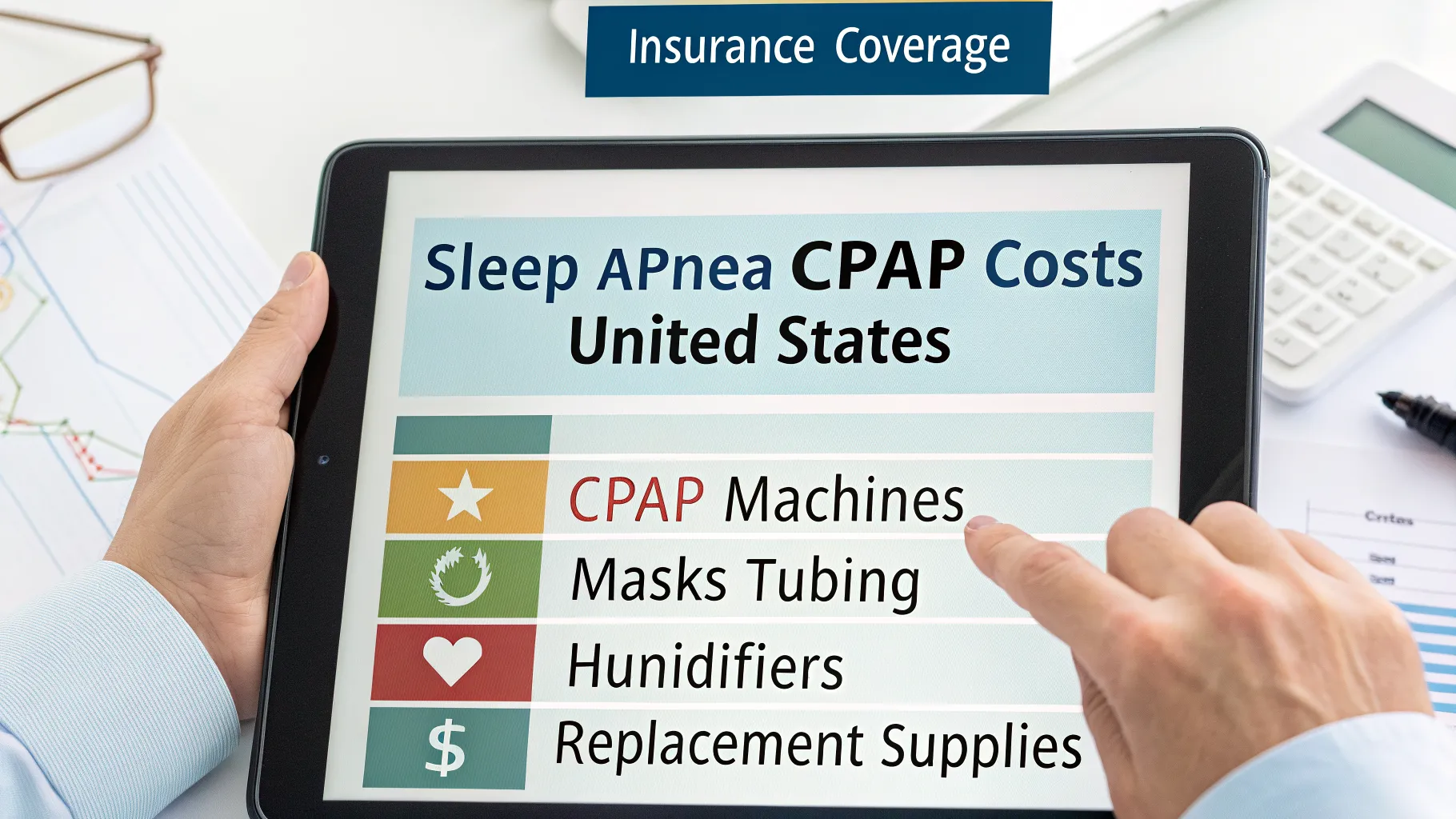
Key Components of CPAP Therapy Costs
The overall CPAP cost encompasses several distinct elements, each contributing to the total financial burden for patients. It's not merely the purchase of the device itself but a multifaceted expense involving diagnostic procedures, the machine, accessories, and replacement parts. Being aware of these different categories is the first step in managing your sleep apnea treatment expenses effectively. These costs can fluctuate significantly based on factors like geographical location, specific healthcare providers, and the model of equipment chosen, making a detailed understanding paramount for informed decision-making.
The Initial CPAP Machine Price
The upfront CPAP machine price can be one of the most substantial portions of your overall sleep apnea therapy cost. Basic models typically range from $500 to $1,500, while more advanced machines, such as auto-CPAP (APAP) or bi-level positive airway pressure (BiPAP) devices, can cost upwards of $2,000 to $4,000. These prices generally include the core unit but often exclude masks, tubing, and humidifiers. Factors influencing the CPAP machine price include brand, features (e.g., heated humidification, data tracking, advanced algorithms), and whether it's purchased new or refurbished. Patients often rent machines initially, which can accrue costs over time that exceed outright purchase if the rental period is extended.
Masks and Accessories: Ongoing Sleep Apnea Treatment Expenses
Beyond the primary machine, masks and accessories represent recurring sleep apnea treatment expenses that must be factored into the long-term CPAP cost. A CPAP mask, which is crucial for delivering therapy, needs regular replacement (typically every 3-6 months) due to wear and tear or hygiene reasons, with costs ranging from $100 to $300 per mask. Tubing (replaced every 6-12 months) costs between $30-$70, and humidifiers, if not integrated, can add $100-$300 initially, with water chambers requiring replacement every 6 months for $20-$50. Filters, cushions, and headgear are also regular replacement items, adding up to hundreds of dollars annually. These consumables are essential for effective and hygienic therapy, directly impacting the effectiveness of your sleep apnea therapy cost.
Diagnostic Testing and Consultations
Before initiating CPAP therapy, individuals must undergo diagnostic testing, typically a sleep study, and consult with sleep specialists. A polysomnogram (in-lab sleep study) can cost anywhere from $1,000 to $5,000 without insurance coverage CPAP, while home sleep apnea tests are generally less expensive, ranging from $300 to $800. Follow-up consultations with sleep doctors and respiratory therapists are also part of the initial and ongoing sleep apnea treatment expenses, ensuring the therapy is optimized and well-tolerated. These initial diagnostic steps are critical for an accurate diagnosis and prescription, forming a foundational part of the overall CPAP cost before any equipment is even considered.
Insurance Coverage and Out-of-Pocket CPAP Cost
The extent of insurance coverage CPAP profoundly impacts the actual out-of-pocket CPAP cost for patients. Most private health insurance plans, Medicare, and Medicaid typically cover a significant portion of diagnostic tests and CPAP equipment, but coverage varies widely. Deductibles, co-pays, and co-insurance amounts will determine how much an individual pays. Some plans may only cover rental of equipment for a certain period before allowing purchase, while others have specific requirements for compliance data before approving continued coverage. Understanding your specific plan’s benefits, limitations, and requirements for insurance coverage CPAP is paramount to predicting your total sleep apnea treatment expenses. Many patients find themselves navigating complex billing statements and needing to advocate for their coverage. Without adequate insurance coverage CPAP, the financial burden can be substantial, emphasizing the need for thorough investigation into policy details.
Comparing Different CPAP Cost Scenarios
The variability in CPAP cost can lead to vastly different financial outcomes for individuals depending on their circumstances. For example, a patient with comprehensive insurance coverage CPAP and a low deductible might pay only a few hundred dollars annually for their therapy, including supplies. In contrast, an uninsured individual purchasing a high-end device and all accessories out-of-pocket could face initial sleep apnea treatment expenses exceeding $4,000-$5,000, with ongoing annual costs for supplies reaching $500-$1,000. Furthermore, different suppliers offer varying prices for the same equipment, making comparison shopping essential. Online retailers often have lower CPAP machine price points compared to traditional brick-and-mortar durable medical equipment (DME) providers, though DME providers may offer more personalized support and insurance navigation services, which can indirectly reduce overall sleep apnea therapy cost through efficiency and compliance. Understanding these scenarios allows patients to make more financially sound decisions.
Strategies to Manage Your CPAP Therapy Costs
Managing the financial aspects of CPAP therapy requires proactive planning and an understanding of available options. By implementing strategic approaches, individuals can significantly reduce their overall CPAP cost and make therapy more accessible and sustainable long-term. Effective management of sleep apnea treatment expenses is not just about finding the cheapest option but optimizing value through informed choices regarding equipment, suppliers, and insurance utilization. These strategies empower patients to maintain adherence to their therapy without undue financial strain.
Thoroughly Research and Compare CPAP Machine Price and Suppliers:
Before committing to a purchase, explore various retailers and durable medical equipment (DME) providers. Online stores often offer a lower CPAP machine price than local DMEs, but local providers might offer better support and easier insurance processing. Compare models, features, and bundled deals. Don't hesitate to ask for price matching or inquire about refurbished options, which can significantly reduce the initial outlay without compromising quality, thereby lowering your overall sleep apnea therapy cost.
Understand Your Insurance Coverage CPAP Benefits:
Contact your insurance provider directly to get a detailed breakdown of your insurance coverage CPAP policy. Clarify deductibles, co-pays, co-insurance, and specific requirements for equipment and supplies. Ask about the frequency of replacement part coverage and whether specific brands or models are preferred. Being fully aware of your benefits can prevent unexpected out-of-pocket sleep apnea treatment expenses and ensure you maximize your coverage.
Utilize Flexible Spending Accounts (FSAs) or Health Savings Accounts (HSAs):
If you have access to an FSA or HSA through your employer, these tax-advantaged accounts can be an excellent way to cover your CPAP cost. Contributions are pre-tax, effectively reducing the amount of money you spend on medical expenses, including CPAP machines, masks, and supplies. This strategy can lead to substantial savings on your overall sleep apnea treatment expenses annually, making the therapy more affordable in the long run.
Consider Generic or Aftermarket Supplies:
While CPAP machines are brand-specific, many masks and accessory components (like filters, headgear, and tubing) have generic or aftermarket alternatives that are often significantly cheaper than brand-name options. Ensure compatibility and safety, but exploring these alternatives can lead to considerable savings on ongoing sleep apnea therapy cost without sacrificing effectiveness. Always prioritize quality and safety, but do not shy away from value-oriented alternatives.
Maintain Your Equipment Diligently:
Proper cleaning and maintenance of your CPAP machine and accessories can extend their lifespan, reducing the frequency of costly replacements. Regularly cleaning masks, tubing, and humidifiers not only ensures hygienic therapy but also delays the need for new purchases, thereby cutting down on ongoing CPAP cost. Adhering to manufacturer guidelines for maintenance is a simple yet effective way to manage your sleep apnea treatment expenses over time.
Frequently Asked Questions
What is the typical out-of-pocket CPAP cost without insurance?
Without insurance, the initial CPAP cost can range from $500 for a basic machine to over $4,000 for advanced models. Annual ongoing sleep apnea treatment expenses for supplies like masks, tubing, and filters can add another $500 to $1,000. This doesn't include the cost of diagnostic sleep studies or consultations, which can significantly increase the total financial burden.
Does Medicare cover CPAP machine price?
Yes, Medicare Part B generally covers 80% of the approved amount for a CPAP machine price, provided it is deemed medically necessary and you meet specific criteria, including a sleep apnea diagnosis. You are responsible for the remaining 20% co-insurance and your Part B deductible. Coverage typically starts with a 13-month rental period, after which you own the equipment if you remain compliant with therapy. Understanding Medicare's specific rules for insurance coverage CPAP is vital.
How often should I replace CPAP supplies, and what is the associated sleep apnea therapy cost?
CPAP mask cushions or pillows should be replaced every 2-4 weeks, the mask frame every 3-6 months, and the headgear every 6 months. Tubing needs replacement every 6-12 months, and humidifier water chambers every 6 months. The total annual sleep apnea therapy cost for these ongoing supplies can range from $300 to $1,000, depending on your specific equipment and whether your insurance coverage CPAP assists with these recurring expenses.
Can I get financial assistance for my CPAP cost?
Yes, several avenues for financial assistance exist. Some manufacturers offer patient assistance programs. Charities and non-profit organizations sometimes provide refurbished equipment or financial aid for sleep apnea treatment expenses. Additionally, your sleep clinic or DME provider might offer payment plans or connect you with resources. Investigating these options can significantly reduce your out-of-pocket CPAP cost.
Are there differences in CPAP cost based on the type of machine?
Absolutely. Standard CPAP machines are generally the most affordable, with a lower initial CPAP machine price. Auto-CPAP (APAP) machines, which adjust pressure automatically, are typically more expensive. Bi-level positive airway pressure (BiPAP) machines, designed for more complex cases, are usually the most costly due to their advanced technology and features. The choice of machine significantly impacts the overall sleep apnea therapy cost.
References
- American Academy of Sleep Medicine.
- National Institutes of Health (NIH).
- Centers for Medicare & Medicaid Services (CMS).
- Various durable medical equipment (DME) industry reports.
- Healthcare cost analysis publications from reputable medical journals.
Authored by MyTrendSpot team