Understanding Median Home Price by Region: Key Real Estate Trends
Facts:
- Median home prices vary vastly.
- Regional housing markets show diverse real estate trends.
Analyzing Disparities in Regional Housing Markets
Understanding the complexities of median home prices across different regions is crucial for prospective buyers, sellers, and investors. The landscape of regional housing markets is constantly evolving, influenced by a myriad of economic, demographic, and policy factors. This detailed analysis delves into the geographical variations in property values, highlighting the significant differences that can be observed from one metropolitan area to another, or even between urban and rural settings within the same state. These variations are not arbitrary; they are the result of intricate interplay among local economies, population shifts, and housing supply dynamics, all contributing to the unique character of each region's real estate environment. Deciphering these patterns is key to grasping the broader picture of housing affordability and future investment potential.
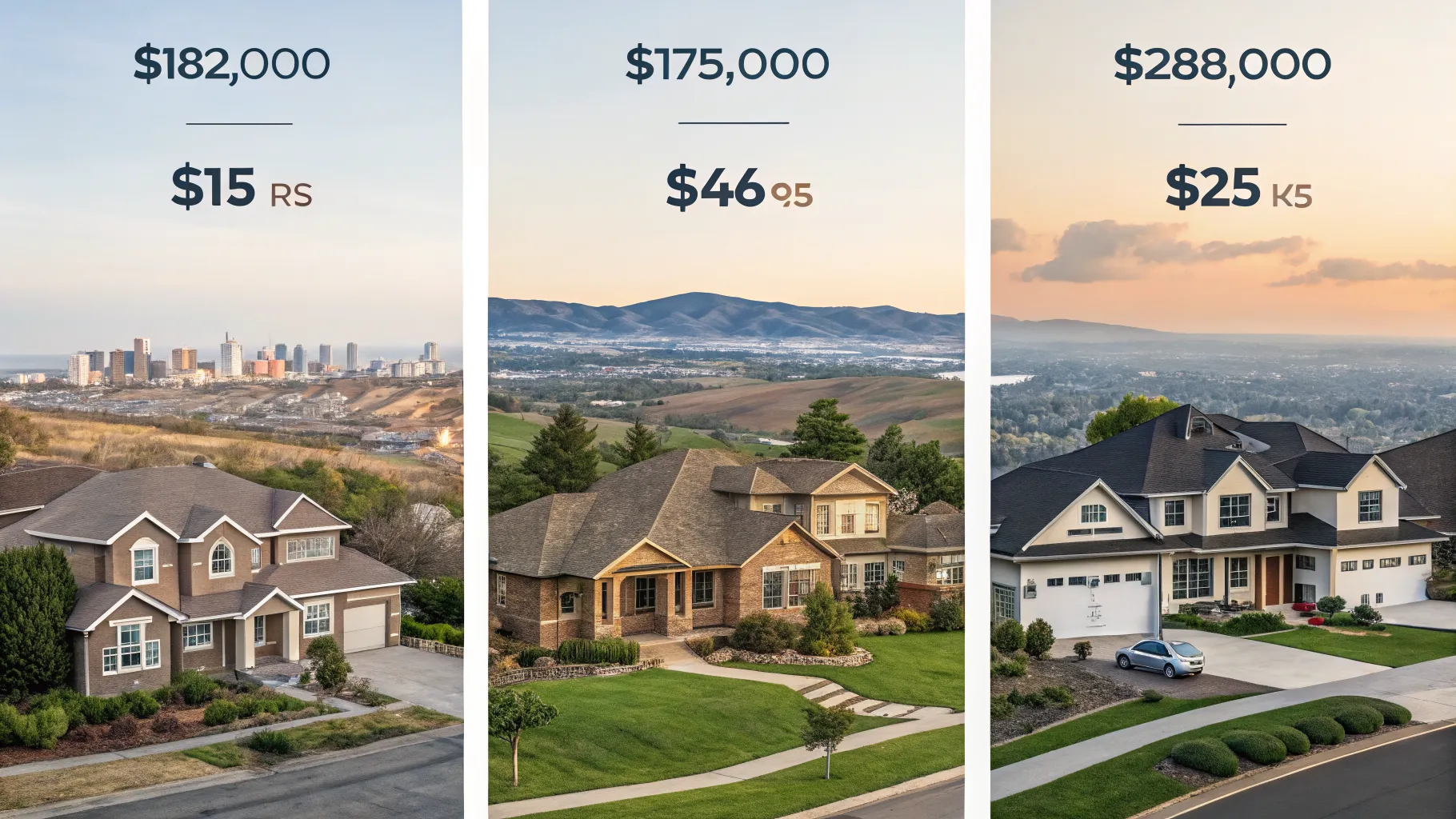
Factors Influencing Median Home Prices by Region
Several critical factors contribute to the wide disparities in median home prices across different regions. Economic strength, reflected in job growth, wage levels, and industry diversity, plays a paramount role. Regions with booming tech sectors or strong manufacturing bases often see higher demand and subsequently higher property values due to increased purchasing power and population influx. Conversely, areas experiencing economic contraction or slow growth may see stagnant or declining prices. Furthermore, supply and demand dynamics are fundamental. Limited housing inventory, often due to stringent zoning laws, geographical constraints, or slow construction rates, can inflate prices significantly in high-demand areas. Interest rates, while a national factor, can have differential impacts regionally by affecting buyer affordability thresholds. Local regulatory environments, including property taxes and building codes, also layer on additional costs that influence the final sale price and overall housing affordability.
A Closer Look at North American Regional Housing Markets
Examining North America, we observe distinct patterns in regional housing markets. The West Coast, particularly California and parts of the Pacific Northwest, consistently showcases some of the highest median home prices, driven by strong economies, innovation hubs, and desirable lifestyles, despite often having limited buildable land. The Northeast, including major metropolitan areas like New York and Boston, also exhibits high prices, fueled by established economies and dense populations. In contrast, the Midwest generally offers greater housing affordability, characterized by more stable, albeit slower, appreciation in property values, and a larger supply of existing homes. The Southern states present a mixed bag; while some rapidly growing cities in Florida, Texas, and the Carolinas have seen significant price surges, other rural parts maintain lower median home prices. These geographical variations underscore the importance of region-specific analysis when evaluating real estate trends and investment opportunities.
Global Perspectives on Housing Affordability
Extending beyond North America, the concept of median home price by region takes on an even broader spectrum. Global cities like London, Paris, Hong Kong, and Sydney frequently top lists for the most expensive real estate, with prices driven by international investment, limited land, and status as global economic centers. These cities often present extreme challenges to housing affordability for local residents. Emerging markets, conversely, might offer lower median home prices but come with their own set of risks and opportunities, often tied to political stability, economic development, and evolving regulatory frameworks. Understanding these global real estate trends helps contextualize domestic market conditions and highlights the universal yet locally nuanced interplay of supply, demand, and economic health on property values. The pursuit of affordable housing remains a critical global challenge, with vastly different solutions and outcomes depending on the region.
Impact of Economic Indicators on Property Values
Economic indicators exert a profound influence on property values and the health of regional housing markets. Key indicators such as Gross Domestic Product (GDP) growth, employment rates, and inflation directly correlate with the capacity of individuals to purchase homes. Robust GDP growth typically signals a strong economy, leading to higher wages and job security, which in turn boosts consumer confidence and demand for housing, pushing median home prices upwards. Conversely, high unemployment rates can depress demand and lead to a softening of prices. Inflation, when it outpaces wage growth, can erode purchasing power, making homeownership less attainable. Furthermore, interest rate policies set by central banks significantly impact mortgage costs. Lower rates make borrowing cheaper, stimulating demand and contributing to price appreciation, whereas higher rates reduce affordability and can cool the market. Analyzing these indicators is vital for predicting future real estate trends and understanding fluctuations in housing affordability.
Forecasting Future Real Estate Trends and Housing Affordability
Forecasting future real estate trends requires a comprehensive understanding of current market dynamics and anticipated economic shifts impacting median home prices. Experts closely monitor demographic changes, such as migration patterns and household formation, which directly influence housing demand across various regional housing markets. The long-term impact of remote work, for instance, continues to reshape preferences, potentially increasing demand in more affordable, less dense areas while stabilizing or even slightly reducing pressure on prime urban centers. Technological advancements in construction could alleviate supply constraints, potentially moderating price growth in the future. Government policies, including housing incentives, infrastructure spending, and zoning reforms, will also play a crucial role in shaping housing affordability and the trajectory of property values. Predicting these complex interactions is essential for both policymakers and individuals planning their housing investments.
Navigating Diverse Regional Housing Markets
- Research Local Economic Drivers: Before making a decision, thoroughly investigate the primary economic drivers of the specific region. A strong and diversified economy provides a more stable foundation for property values and future appreciation. Understand the job growth prospects, major industries, and overall economic health of the area you are considering.
- Understand Supply and Demand Dynamics: Analyze the current housing supply versus buyer demand. Regions with low inventory and high buyer interest typically see more rapid appreciation in median home prices. Conversely, an oversupply of homes might indicate a buyer's market with more negotiation leverage and slower price growth.
- Consider Long-Term Investment Potential: Look beyond immediate price tags and evaluate the long-term investment potential. Factors such as planned infrastructure projects, school district quality, and community development initiatives can significantly impact future property values. Strategic investment in areas with strong growth potential can lead to substantial returns.
- Work with Local Real Estate Experts: Engage with experienced real estate agents who specialize in the target regional housing market. Their local knowledge of specific neighborhoods, pricing nuances, and upcoming developments is invaluable. They can provide insights into micro-market trends that online data might not fully capture, ensuring informed decisions.
- Assess Housing Affordability Metrics: Compare median home prices to local median incomes to gauge true housing affordability. High prices alone do not tell the whole story; a region with high incomes can sustain higher prices more comfortably. Also, consider the cost of living and property taxes as part of the overall financial commitment.
Frequently Asked Questions
What factors drive regional differences in median home prices?
Regional differences in median home prices are driven by a confluence of factors including local economic health, job market strength, population growth, housing supply, interest rates, and regulatory policies. Areas with robust job growth and limited housing supply often see higher property values, while regions experiencing economic stagnation or an abundance of available homes may have lower prices.
How do interest rates affect median home prices?
Interest rates play a significant role in influencing median home prices. Lower interest rates generally increase borrowing power, making homes more affordable and stimulating demand, which can push prices up. Conversely, higher interest rates reduce affordability, cool demand, and can lead to a stabilization or even a decrease in property values across various regional housing markets.
Which region typically has the highest housing affordability?
Historically, regions such as the Midwest and parts of the South in the United States have demonstrated higher housing affordability compared to coastal regions like the Northeast or West Coast. These areas often benefit from a lower cost of living, more available land for development, and different economic growth patterns that influence median home prices more favorably for buyers.
What are the current real estate trends impacting regional housing markets?
Current real estate trends impacting regional housing markets include the lasting effects of remote work on migration patterns, shifts in buyer preferences towards suburban and rural areas, fluctuating interest rates, and ongoing inventory shortages in many desirable locations. These trends collectively contribute to dynamic changes in median home prices and overall market conditions.
Is it a good time to buy property based on current median home prices?
Whether it is a good time to buy property based on current median home prices largely depends on the specific region, individual financial circumstances, and long-term goals. While some regional housing markets may be experiencing peak prices, others might offer more favorable conditions for buyers. It is crucial to conduct thorough research on local real estate trends and consider personalized financial advice before making a decision.
References
- National Association of Realtors Housing Reports
- U.S. Census Bureau Housing Data
- Federal Reserve Economic Data (FRED)
- Various Real Estate Market Analyses
- Academic Studies on Housing Economics
Authored by MyTrendSpot team