Unveiling the World's Most Expensive Cities to Buy an Apartment
Facts:
- Monaco consistently ranks as the most expensive city for property.
- Trends show increasing demand for luxury real estate market in prime urban centers.
Understanding the Dynamics of Global Housing Markets
The quest to identify the most expensive cities to buy an apartment is a complex endeavor, influenced by a myriad of economic, social, and geographical factors. As May 2026 approaches, the landscape of global property prices continues to evolve, presenting both challenges and lucrative opportunities for high-net-worth individuals and discerning investors. Understanding the underlying drivers of these valuations is crucial for anyone considering a foray into these elite markets, where exclusivity often dictates price. We delve into what makes these urban centers stand out and why their urban housing costs remain exceptionally high, attracting significant capital from across the globe.
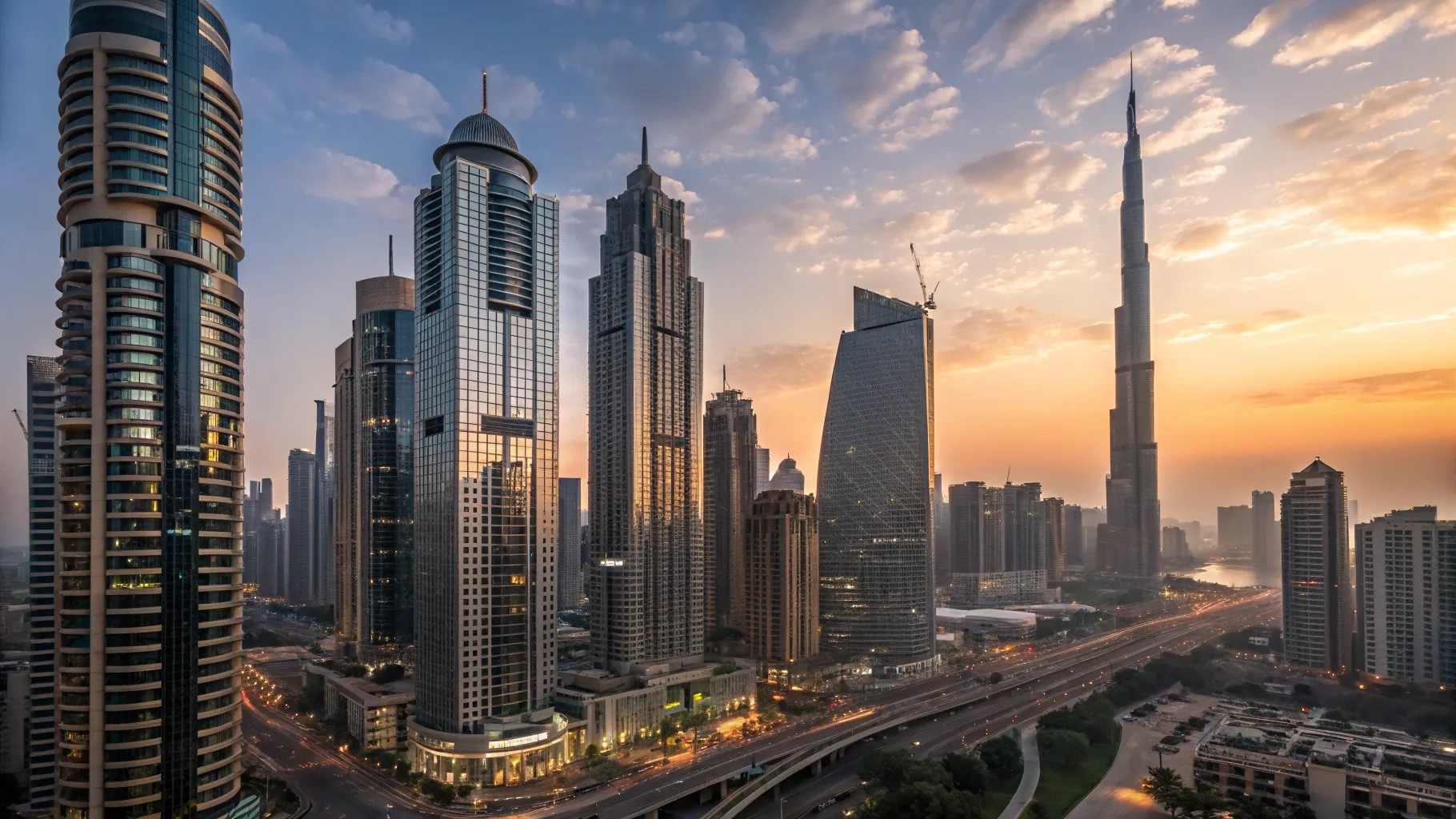
Top Prime Investment Locations for Luxury Real Estate Market
When discussing the most expensive cities for apartment purchases, a select group of global metropolises invariably tops the list. These locations are characterized by limited supply, high demand from international buyers, strong economies, and a reputation for stability and luxury. Each city offers a unique blend of culture, business opportunities, and lifestyle, contributing to its status as a prime investment location within the luxury real estate market. The prices in these areas reflect not just the physical property but also the intangible value of address, prestige, and quality of life.
Monaco: The Epitome of Exclusive Living
Monaco, the sovereign city-state on the French Riviera, consistently holds the title as having the world's highest global property prices per square meter. Its allure stems from a combination of factors: a favorable tax regime, political stability, a glamorous lifestyle, and an extremely limited land area. These elements coalesce to create an unparalleled demand for luxury real estate market. Apartments here are not just homes; they are status symbols and secure assets, often trading hands for tens of millions of euros, making it the undeniable leader among the most expensive cities for apartment ownership. The principality's commitment to high-end living ensures its continued dominance in this exclusive niche.
Hong Kong: A Vertical City of High Value
Despite recent geopolitical shifts, Hong Kong remains a stalwart in the list of most expensive cities. Its dense urban environment and extreme land scarcity mean that space comes at an extraordinary premium. The city's status as a global financial hub attracts a continuous stream of wealthy individuals and expatriates, fueling a relentless demand for apartments, particularly in desirable districts like The Peak, Mid-Levels, and Repulse Bay. Investment in Hong Kong's urban housing costs is often seen as a gateway to the broader Asian markets, making it a crucial property investment hotspot despite its inherent volatility.
New York City: The Enduring Allure of Manhattan Properties
New York City, especially Manhattan, epitomizes the high-stakes luxury real estate market of the Western world. Iconic skyscrapers house some of the globe's most sought-after residences, with penthouses and large apartments commanding staggering prices. The city's vibrant culture, status as a financial capital, and constant influx of talent ensure a robust demand. Buyers are drawn to its diversity, economic opportunities, and the prestige associated with owning a piece of the Big Apple. The competition for prime properties here contributes significantly to the elevated global property prices observed in this bustling metropolis.
London: Historic Charm Meets Luxury Real Estate Market
London's rich history, cultural significance, and status as a global financial center make it a consistent contender among the most expensive cities. Areas like Knightsbridge, Belgravia, Mayfair, and Chelsea are synonymous with opulent living, offering a blend of historic architecture and modern amenities. International investors are particularly drawn to London for its stable legal system, strong educational institutions, and its enduring appeal as a world city. The blend of heritage and contemporary luxury ensures that urban housing costs in its prime districts remain exceptionally high, appealing to a sophisticated global clientele.
Singapore: A Hub for High-Net-Worth Property Investment Hotspots
Singapore has rapidly ascended the ranks to become one of the most expensive cities globally, thanks to its strong economy, political stability, and reputation as a safe haven for wealth. The city-state's strategic location in Southeast Asia, coupled with its pro-business environment and high quality of life, attracts a significant number of high-net-worth individuals. Properties in districts like Orchard Road, Sentosa Cove, and Marina Bay command premium prices, making Singapore a leading property investment hotspot. Its limited land area and meticulous urban planning further contribute to its elevated global property prices.
Geneva: Swiss Precision in Global Property Prices
Geneva, Switzerland, renowned for its banking sector, international organizations, and breathtaking natural beauty, is another city where luxury real estate market prices are among the highest in the world. Its political neutrality, economic stability, and high quality of life attract a wealthy international clientele. Apartments, particularly those with views of Lake Geneva or in exclusive neighborhoods, are highly coveted. The strict building regulations and limited new construction ensure that supply remains constrained, further driving up urban housing costs and reinforcing Geneva's status among the most expensive cities for apartment ownership.
Factors Driving Global Housing Markets and Property Investment Hotspots
Several critical factors converge to create these property investment hotspots. Economic growth and prosperity are foundational, providing the wealth necessary to sustain high property valuations. Scarcity of land, particularly in geographically constrained urban centers, is another primary driver. Additionally, a strong influx of international capital, often seeking safe haven investments or a prestigious base, significantly inflates global property prices. Government policies, including taxation and foreign ownership regulations, also play a pivotal role in shaping the demand and supply dynamics of these elite luxury real estate market segments. Furthermore, the presence of world-class infrastructure, educational institutions, and cultural attractions enhances desirability, thereby increasing the willingness of buyers to pay premium prices for properties in these most expensive cities.
Navigating the Challenges of Urban Housing Costs
While the allure of investing in the most expensive cities is strong, navigating the associated challenges, particularly the exorbitant urban housing costs, requires careful consideration. Affordability remains a significant concern for local residents, often leading to social and economic disparities. For investors, the challenge lies in identifying sustainable growth and avoiding overvaluation. Market volatility, regulatory changes, and economic downturns can impact even the most resilient markets. Therefore, a thorough understanding of local market conditions, future development plans, and potential risks is paramount to making informed decisions in these high-stakes environments. The long-term stability of the luxury real estate market relies on a delicate balance of these various factors.
Expert Advice for Prospective Buyers in Most Expensive Cities
- Conduct Thorough Due Diligence: Before investing in the luxury real estate market of any of the most expensive cities, engage with local experts including real estate agents, lawyers, and financial advisors. Understand all transaction costs, taxes, and ongoing maintenance fees to get a complete picture of the investment.
- Understand Local Regulations: Foreign ownership rules, rental restrictions, and capital gains taxes vary significantly between cities and countries. Familiarize yourself with these policies to ensure compliance and avoid unexpected costs or legal issues when dealing with global property prices.
- Consider Diversification: While focusing on a single property investment hotspot can be rewarding, consider diversifying your portfolio across different cities or asset classes to mitigate risks associated with regional market fluctuations. This approach can provide greater stability in your overall investment strategy for urban housing costs.
- Focus on Long-Term Value: In markets characterized by high urban housing costs, short-term gains can be tempting but long-term value appreciation is often a more reliable strategy. Look for properties with unique attributes, prime locations, and potential for future development or enhancement that will stand the test of time.
- Prepare for Competition: The most expensive cities attract global competition. Be prepared to act swiftly and decisively when a suitable property becomes available, as desirable apartments in these luxury real estate market segments often sell quickly.
Frequently Asked Questions
Why are some cities considered the most expensive cities to buy an apartment?
Cities become the most expensive cities due to a combination of high demand from wealthy individuals and international investors, limited land supply, strong economic stability, attractive lifestyle offerings, and sometimes favorable tax regimes. These factors collectively drive up global property prices.
Is investing in luxury real estate market in these cities a good idea?
Investing in the luxury real estate market in these cities can offer significant returns and capital preservation, especially for long-term investors. However, it also comes with high entry costs, potential market volatility, and specific regulatory hurdles that require careful consideration. It is crucial to assess individual financial goals and risk tolerance.
How do urban housing costs in these prime investment locations impact local residents?
The high urban housing costs in these prime investment locations often create significant affordability challenges for local residents, leading to displacement, longer commutes, and a widening wealth gap. This can prompt government intervention in the form of affordable housing initiatives or rental controls, which may or may not be effective.
What factors influence global property prices beyond local demand?
Beyond local demand, global property prices are influenced by global economic trends, interest rates, currency fluctuations, geopolitical stability, and the flow of international capital seeking safe havens. Major global events can significantly impact investor confidence and capital movement across the luxury real estate market.
Are there hidden costs when buying an apartment in the most expensive cities?
Yes, beyond the purchase price, buyers in the most expensive cities should anticipate significant additional costs. These can include stamp duties, legal fees, agent commissions, property transfer taxes, annual property taxes, service charges, and potential renovation expenses, which can add a substantial percentage to the overall investment in the luxury real estate market.
References
- Knight Frank Wealth Report
- UBS Global Real Estate Bubble Index
- Mercer's Cost of Living Survey
- CBRE Global Living Report
- Savills World Cities Report
Authored by MyTrendSpot team