Navigating the Costs of Medical Alert Systems: A Comprehensive Guide
Medical alert systems offer a vital safety net, providing quick access to help in emergencies. For many, the peace of mind they offer is invaluable, but understanding the financial commitment involved can be complex. Prices for these systems are not always straightforward, varying based on the type of service, features included, and the provider.
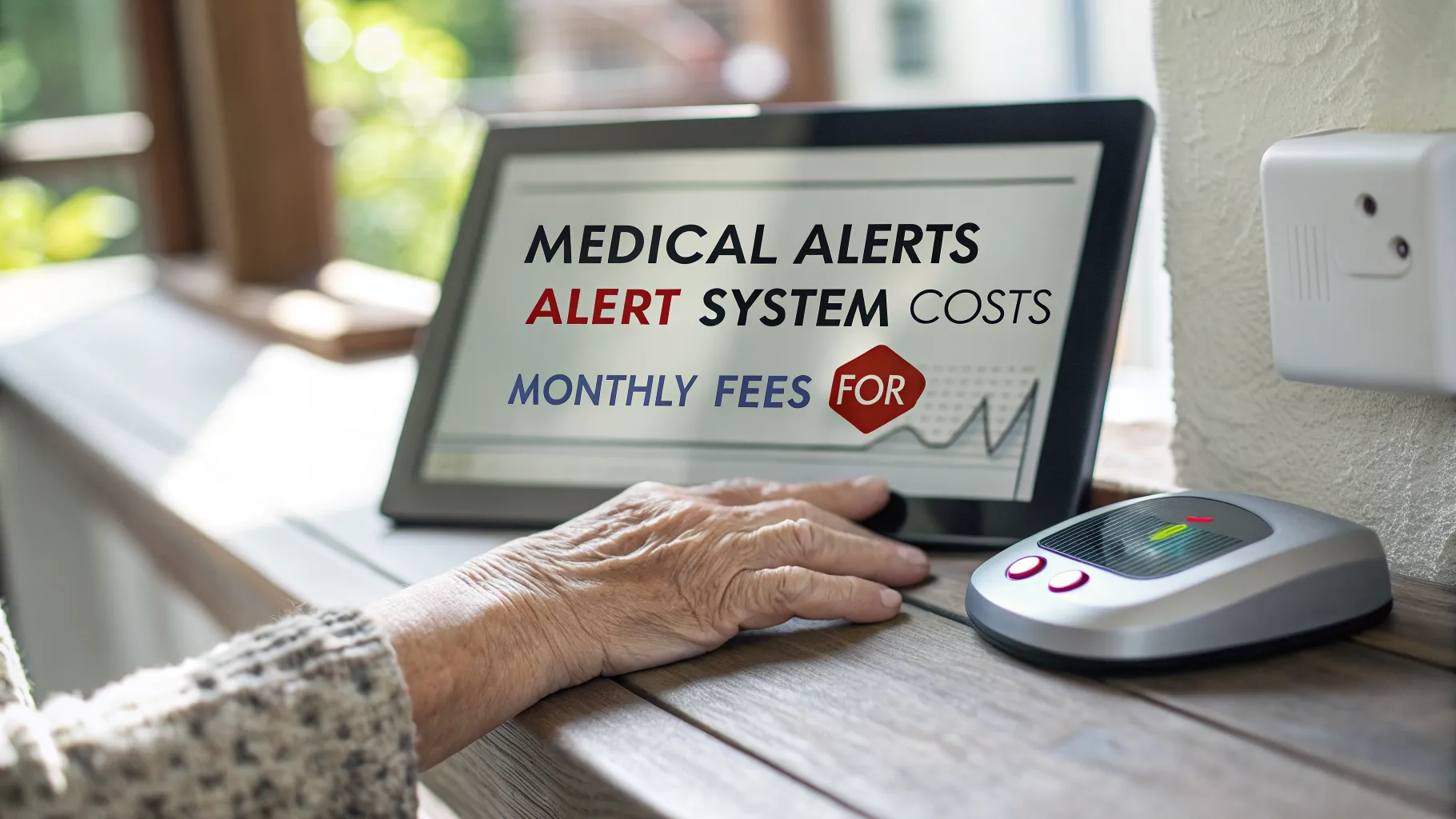
Understanding Medical Alert Systems
A medical alert system typically consists of a wearable device, often a pendant or wristband, and a base unit that connects to a monitoring center. In an emergency, the user presses a button on their device, which signals the base unit to contact the monitoring center. Trained professionals then assess the situation and dispatch appropriate help, such as paramedics or a family contact.
These systems are designed to provide assistance for individuals who may be at risk of falls, medical emergencies, or other situations where immediate help is needed. They are particularly beneficial for seniors living alone, individuals with chronic health conditions, or anyone seeking an extra layer of security and independence.
Factors Influencing Medical Alert System Costs
The cost of a medical alert system is influenced by several key factors. These can range from the basic setup to advanced features that enhance usability and safety. Understanding these elements is crucial for anticipating the total expenditure.
- Type of System: In-home systems are generally less expensive than mobile systems that include GPS tracking.
- Monitoring Type: Basic landline monitoring differs in cost from cellular monitoring, which often carries a higher fee.
- Additional Features: Fall detection, medication reminders, caregiver apps, and additional buttons can all add to the monthly cost.
- Equipment Ownership: Some providers include equipment rental in the monthly fee, while others require an upfront purchase.
- Contract Length: Longer contracts might offer a lower monthly rate, but require a greater commitment.
Types of Systems and Their Typical Price Ranges
Medical alert systems broadly fall into a few categories, each with its own pricing structure. Knowing these types can help in narrowing down options that fit specific needs and budgets.
In-Home Systems: These systems primarily cover a user within their home and immediate surroundings. They typically consist of a base unit connected to a landline or cellular network and a wearable button. Basic in-home systems often range from $20 to $35 per month. Systems with cellular connectivity might be slightly higher, usually between $25 and $40 per month.
Mobile Systems: Designed for active individuals, mobile systems offer protection both inside and outside the home using cellular and GPS technology. These devices are often more compact and portable. Mobile systems generally cost between $35 and $60 per month, with prices varying based on specific features like battery life and size.
Systems with Advanced Features: Many providers offer add-ons like automatic fall detection, which can add an additional $10 to $20 to the monthly fee. Other advanced features include activity monitoring, medication reminders, or wall-mounted buttons for bathrooms. These specialized options can push the total monthly cost to $50 or more, depending on the combination of services chosen.
Equipment Costs vs. Monitoring Fees
When evaluating the total price of a medical alert system, it's essential to distinguish between the cost of the equipment itself and the ongoing monitoring fees. These two components often make up the bulk of the expense.
Equipment Costs: Some providers include the equipment rental within the monthly subscription, meaning there's no upfront cost for the device. Other companies may require you to purchase the equipment outright, which could range from $50 to $200 or more for advanced mobile units. Renting equipment can seem more affordable initially, but purchasing might be more cost-effective over a long period if there are no ongoing rental fees.
Monitoring Fees: This is the recurring charge for the 24/7 professional monitoring service. It covers the cost of trained operators who respond to alerts and coordinate assistance. Monitoring fees are the most consistent part of the cost structure and are typically paid monthly, quarterly, or annually. Some providers offer discounts for longer payment commitments.
Hidden Costs and What to Look For
While the advertised monthly rate might seem appealing, it's crucial to be aware of potential hidden costs that can impact the overall expense. Transparency from providers is key, but it's always wise for consumers to ask detailed questions.
- Activation Fees: Some companies charge a one-time fee to set up your service, which can range from $25 to $100.
- Installation Fees: While most systems are designed for self-installation, some specialized setups or professional assistance might incur a fee.
- Shipping Fees: The cost to ship the equipment to your home can be an additional charge.
- Cancellation Fees: If you need to cancel your service before a contract term ends, some providers may charge a penalty.
- Warranty and Replacement Costs: Understand what happens if your equipment breaks or needs replacement. Are these costs covered, or will you incur additional charges?
Ways to Potentially Reduce Costs
While medical alert systems represent an investment in safety, there are several avenues to explore that might help mitigate the costs involved. It's often worth investigating these options before committing to a service.
Many health insurance plans, particularly Medicare Advantage plans, may cover a portion of medical alert system costs, especially if they are deemed medically necessary. It is advisable to contact your insurance provider directly to understand your specific benefits. Additionally, some long-term care insurance policies may also include coverage for personal emergency response systems.
Veterans and their families might find assistance through programs offered by the Department of Veterans Affairs. Various state and local programs, often administered by Area Agencies on Aging, may also provide subsidies or discounts for eligible individuals. It is also common for providers to offer promotional discounts for new customers, sometimes for several months, or reduced rates for annual prepayments.
Making an Informed Decision
Choosing a medical alert system involves more than just looking at the price tag. It requires a careful consideration of your individual needs, lifestyle, and budget. By understanding the different types of systems, their features, and the breakdown of costs, you can make a choice that provides both safety and value.
When comparing options, look beyond the basic monthly fee. Consider the reputation of the monitoring center, the reliability of the equipment, and the transparency of the pricing structure. Reading customer reviews and asking about all potential fees, including activation, cancellation, and equipment replacement, will help ensure there are no surprises down the line.
Authored by MyTrendSpot team