Navigating the Police Impound Auction for Sedan Models
Fast Facts:
- Police impound auctions offer significant savings on vehicles.
- Rising demand for affordable sedan models at government vehicle auctions.
Unlocking Value: Your Guide to Police Impound Auction Sedan Models
Exploring the world of police impound auction for sedan models can uncover incredible value for savvy buyers. These auctions present a unique opportunity to acquire vehicles, often at prices significantly below market value, making them an attractive option for budget-conscious individuals or those seeking project cars. Understanding the intricacies of how these auctions operate, what types of vehicles are typically available, and the bidding strategies involved is crucial for success. From compact daily drivers to luxury sedans, the inventory can be surprisingly diverse, though largely dependent on local impound policies and the circumstances of seizure.
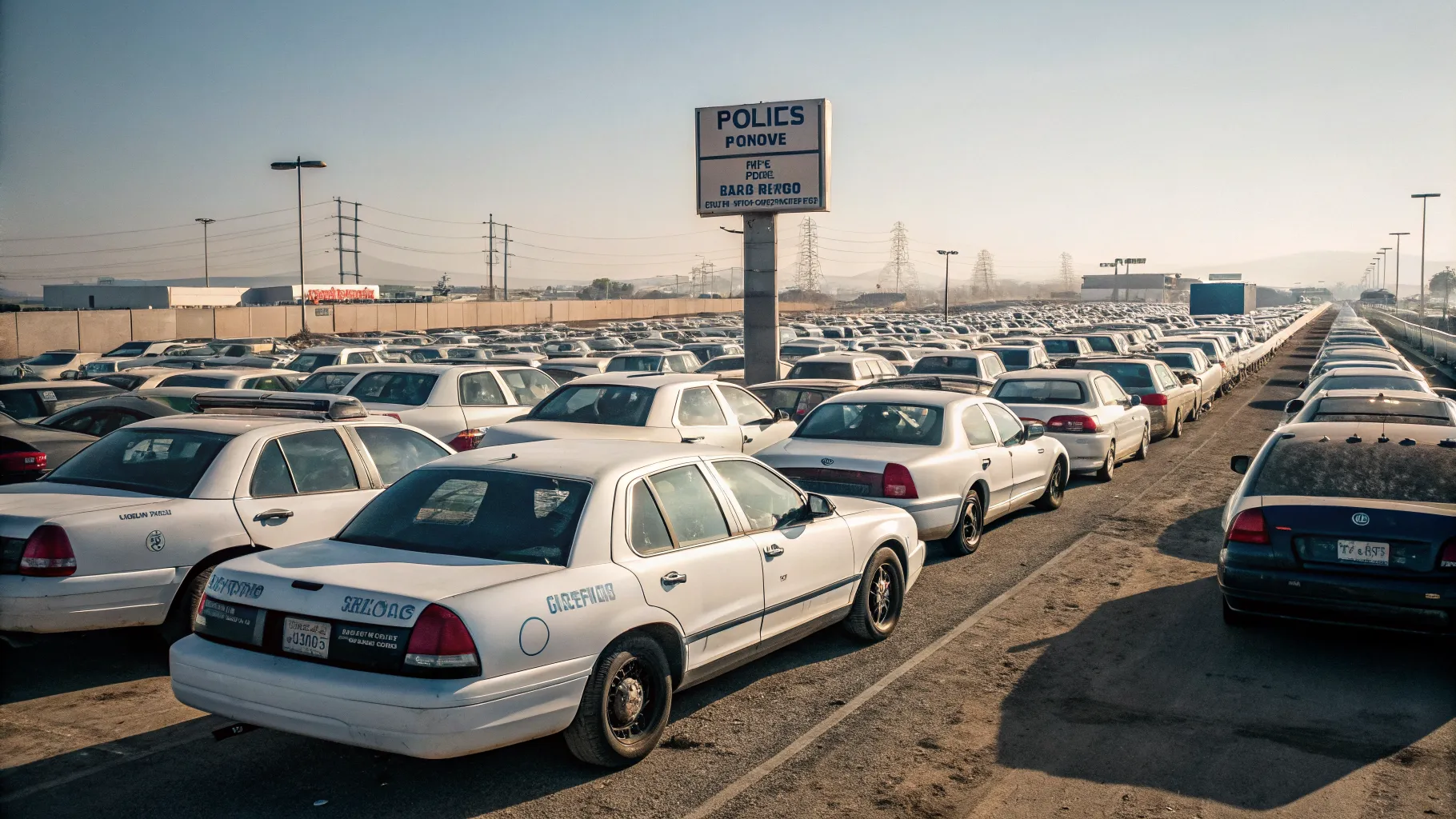
Understanding the Police Impound Auction Process
The process for a police impound auction begins when vehicles are seized or abandoned and then towed to an impound lot. After a mandated holding period, during which owners have the opportunity to reclaim their property, unclaimed vehicles are deemed eligible for auction. These events are typically managed by local law enforcement agencies, county governments, or third-party auctioneers contracted by these entities. Public notices are usually issued detailing the date, time, and location of the auction, along with a list or preview of the vehicles available. Buyers should research the specific rules of each auction, as they can vary widely. Some auctions are in-person only, requiring on-site registration and immediate payment, while others utilize online bidding platforms, allowing for broader participation in government vehicle auctions. Understanding the legal framework governing these sales is paramount to avoiding future complications.
Identifying Quality Sedan Models at Auction
When attending impounded car sales, identifying quality sedan models requires a keen eye and thorough preparation. Unlike dealership purchases, vehicles at impound auctions are sold "as-is, where-is," with no warranties or guarantees. This means it is the buyer's responsibility to assess the condition of the vehicle. Prior to bidding, most auctions offer a viewing period where potential buyers can inspect the vehicles. During this time, look for obvious signs of damage, check tire wear, examine the interior for excessive damage or neglect, and, if possible, inspect under the hood for fluid leaks or missing components. While test drives are rarely permitted, buyers often bring mechanics or use tools like OBD-II scanners to check for engine fault codes. Documenting any issues found is essential for making an informed bidding decision. Furthermore, research the common reliability issues for the sedan models you are interested in.
Navigating Bidding Strategies for Government Vehicle Auctions
Successful participation in government vehicle auctions hinges on a well-thought-out bidding strategy. Before the auction even begins, establish a maximum budget for each vehicle, factoring in potential repair costs, auction fees, and taxes. Do not get caught up in the excitement of the moment and overbid. Observe the other bidders and try to gauge their interest. Some bidders prefer to start strong, while others wait for the final moments to place their bids. For online auctions, familiarize yourself with the platform's features, such as maximum bid limits or proxy bidding. In live auctions, maintain a poker face and avoid showing too much interest in a particular vehicle until necessary. Remember, the goal is to acquire a vehicle at a good price, not simply to win a bidding war. Patience and discipline are key when dealing with impounded car sales, especially when many buyers are eyeing popular sedan models.
Post-Auction Steps: Registration and Maintenance for Your Salvage Sedan
Once you've successfully acquired a vehicle from a police impound auction, there are several critical post-auction steps. The first is typically immediate payment, often required in full on the day of the auction, usually in cash, cashier's check, or money order. You will then receive a bill of sale and, depending on the jurisdiction and the vehicle's history, a title or a salvage certificate. It is crucial to verify the type of title received, as a "salvage" title will require a comprehensive inspection and potentially repairs before it can be registered for road use. Transporting your newly purchased vehicle from the impound lot is also your responsibility; ensure you have a plan for towing or driving it away. Finally, anticipate that your new salvage sedan will likely require some maintenance or repairs. Budget for fluids, filters, tires, and possibly more significant mechanical or cosmetic work to ensure it is roadworthy and reliable. This foresight is critical to transforming your auction win into a dependable mode of transportation.
Common Pitfalls and How to Avoid Them at Impounded Car Sales
Despite the potential for great deals, participating in impounded car sales comes with its own set of pitfalls. One common mistake is neglecting to thoroughly inspect the vehicle before bidding, leading to unexpected and costly repairs. Another is failing to research the vehicle's history; while VIN checks can be difficult for impounded cars, some auction houses provide basic information. Overbidding due to emotional attachment or competitive spirit is a frequent error. Buyers also sometimes overlook the additional costs, such as auction fees, sales tax, towing expenses, and potential registration hurdles, which can significantly inflate the final price. To avoid these issues, always conduct due diligence, set a strict budget, understand all associated fees, and approach the auction with a clear, rational mindset. Remember that vehicles sold at police impound auction are often there for a reason, and while some are perfectly fine, others may have hidden problems. Due diligence protects your investment in a new sedan models.
Maximizing Your Chances at Sedan Model Auctions
- Thorough Research: Before attending any police impound auction, research the auction house or government agency conducting the sale. Understand their specific terms, conditions, payment methods, and vehicle pickup policies. Look for online inventories or preview dates to identify specific sedan models of interest.
- Budget Wisely: Establish a firm maximum budget for each vehicle you're interested in, including the purchase price, auction fees, taxes, and an estimated repair fund. Stick to this budget to avoid overspending on a potential problem vehicle. Remember, the goal is to find value, not just to win.
- Pre-Auction Inspection: Utilize any available preview periods to inspect vehicles thoroughly. Bring a knowledgeable friend or a mechanic if possible. Check for major body damage, fluid leaks, tire condition, and interior wear. If permitted, check the VIN for any available history reports, though this might be limited for impounded car sales.
- Strategic Bidding: Whether online or in-person, develop a bidding strategy. Don't reveal your interest too early. Watch other bidders and be prepared to walk away if the price exceeds your comfort level. Patience and discipline are vital to securing a good deal on sedan models.
- Post-Purchase Plan: Have a plan for after the auction. Arrange for immediate payment, secure transportation for the vehicle, and understand the registration requirements for salvage or impounded titles. Be ready for potential maintenance or repairs that might be needed to get your new vehicle roadworthy.
Frequently Asked Questions
What types of sedan models are typically found at a police impound auction?
At a typical police impound auction, you can expect to find a wide variety of sedan models ranging from economy compacts to luxury sedans. The inventory often includes common makes and models like Honda Civics, Toyota Camrys, Ford Fusions, and various European brands. The exact selection depends heavily on the geographic location and the types of vehicles most frequently impounded in that area.
How can I find upcoming government vehicle auctions?
Locating government vehicle auctions requires some diligent research. Many local police departments, sheriff's offices, or county government websites will post schedules for upcoming auctions. Additionally, specialized online auction platforms or websites that aggregate government sales are excellent resources. Checking local newspapers or government gazettes can also yield results.
Is it safe to buy a salvage sedan from an auction?
Purchasing a salvage sedan from an auction can be a cost-effective way to acquire a vehicle, but it comes with inherent risks. Safety largely depends on the extent of previous damage and the quality of any subsequent repairs. Thorough inspection, a detailed understanding of the vehicle's history (if available), and professional mechanical assessment are crucial to ensuring the vehicle is safe for use.
What paperwork is needed after buying from impounded car sales?
After successfully bidding and winning at impounded car sales, you will typically receive a bill of sale and possibly a certificate of title. The type of title varies; it could be a clean title, a salvage title, or a non-repairable certificate. You will need these documents, along with proof of identity and payment, to register the vehicle with your local Department of Motor Vehicles.
Are pre-inspections allowed at police impound auctions?
Policies on pre-inspections for police impound auction vary significantly by jurisdiction and auction house. Most reputable auctions will offer a designated viewing period, usually a day or two before the auction date, where potential buyers can visually inspect vehicles. However, test drives are almost never permitted, and the ability to start engines or connect diagnostic tools might also be restricted.
References
- Local Government Auction Regulations, Department of Public Safety
- Vehicle Impoundment Laws and Procedures, State Law Enforcement Agency
- Consumer Guide to Auction Vehicle Purchases, National Auctioneers Association
Authored by MyTrendSpot team