Navigating Retirement Villa Cost Across Diverse Climate Zone Retirement
Facts:
- Global retirement villa prices fluctuate wildly.
- Demand for climate-specific housing rises for active retirees.
Unveiling the Economic Landscape of Retirement Villa Cost by Climate Zone Retirement
Embarking on the journey of climate zone retirement involves numerous considerations, with the retirement villa cost often being the most significant financial factor. Prospective retirees must meticulously evaluate how geographical location, weather patterns, and regional amenities directly influence property values and overall living expenses. Understanding these intricate correlations is crucial for making an informed decision that aligns with both lifestyle aspirations and budgetary constraints, ensuring a comfortable and sustainable retirement.
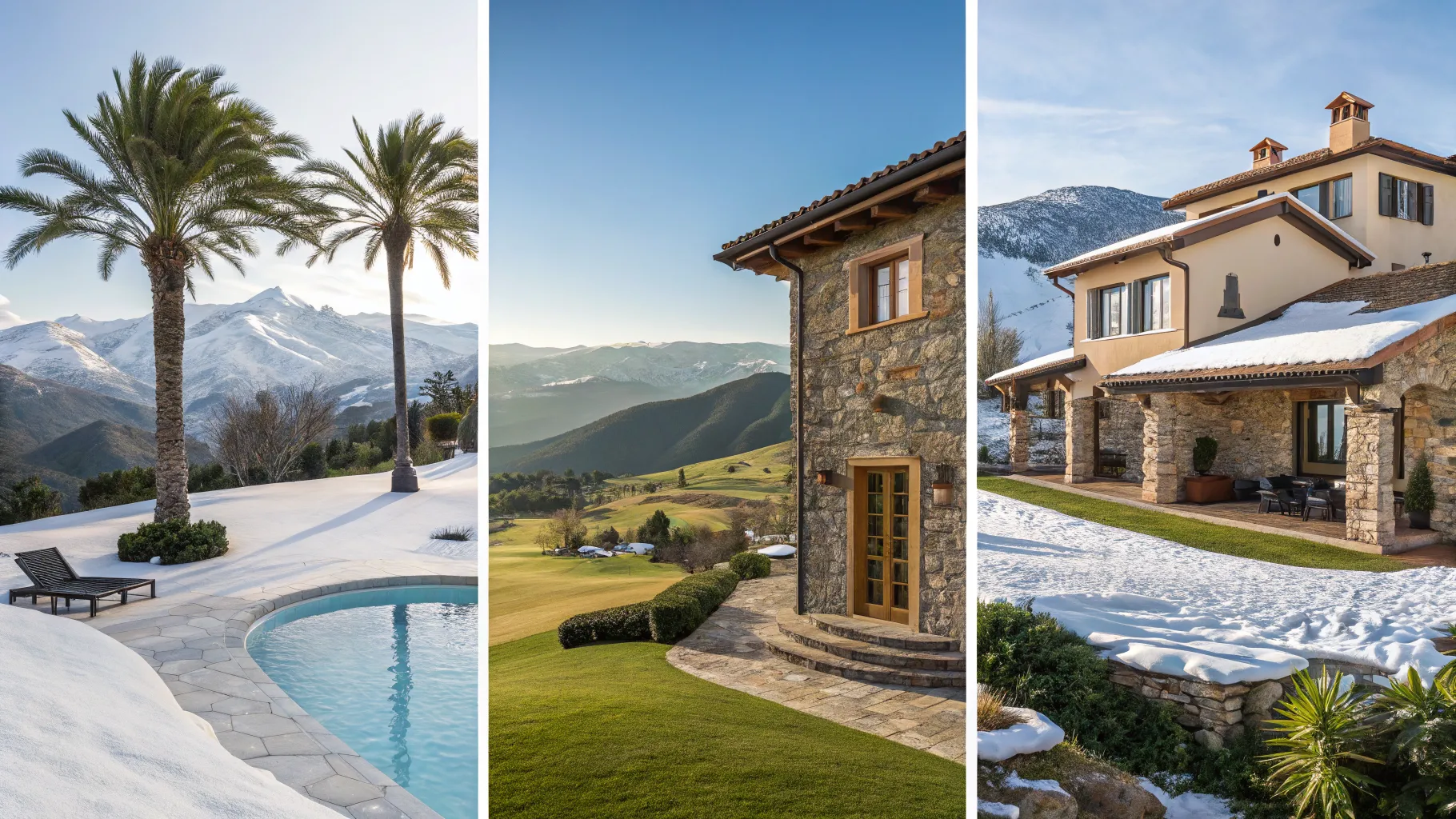
Understanding the Price Dynamics of Tropical Retirement Destinations
For those dreaming of warm breezes and year-round sunshine, tropical retirement destinations often present an appealing option. However, the allure of locations like Costa Rica, parts of Florida, or Southeast Asia comes with its own financial implications. The retirement villa cost in these regions can be highly variable. Coastal properties with ocean views or direct beach access typically command premium prices due to high demand and limited availability. Factors such as proximity to urban centers, healthcare facilities, and expat communities also play a crucial role in pricing. While some areas might offer surprisingly affordable options, especially inland or in emerging markets, prime locations in established luxury retirement communities can rival, or even exceed, prices found in developed Western countries. Infrastructure development, property taxes, and the cost of maintaining a property in a humid climate also contribute significantly to the overall expense, making a thorough analysis essential for those considering this lifestyle.
Exploring Temperate Climate Living and Its Financial Implications
Many retirees seek the balanced seasons offered by temperate climate living, finding appeal in regions like the South of France, Tuscany, or parts of California. These zones offer a distinct charm, with vibrant springs, warm summers, colorful autumns, and mild winters. The retirement villa cost in these areas can be influenced by a mature real estate market, robust infrastructure, and a high quality of life. Properties often reflect a blend of historical charm and modern amenities, appealing to those who appreciate cultural richness and diverse outdoor activities. While the initial purchase price might be higher than in some tropical zones, the stability of the market, lower maintenance costs associated with less extreme weather, and the potential for property value appreciation can make them a wise long-term investment. Additionally, the availability of well-established luxury retirement communities with comprehensive services often justifies a higher initial outlay for many retirees.
The Unexpected Costs of Arid and Cold Climate Zone Retirement
While less common for a typical "villa" style retirement, some individuals prefer the dry heat of arid climates or the snowy landscapes of colder regions. The retirement villa cost in these specialized climate zones can present unique financial considerations. In arid regions, such as parts of Arizona or the Middle East, water scarcity and specialized construction techniques for heat management can influence property values. Maintenance costs might focus on cooling systems rather than heating. Conversely, in cold climates, the emphasis shifts to robust insulation, efficient heating systems, and snow removal services, all of which add to both initial purchase price and ongoing expenses. Property types might lean more towards well-insulated homes or cabins rather than traditional villas. Regardless of the choice, understanding these specific environmental factors and their impact on construction, utilities, and maintenance is vital for accurately assessing the true cost of retirement living in these less conventional climate zone retirement options.
Evaluating Luxury Retirement Communities and Their Value Proposition
Luxury retirement communities represent a distinct segment within the broader discussion of retirement villa cost. These communities, regardless of the climate zone, offer an elevated living experience with a comprehensive suite of amenities and services, often including golf courses, spas, fine dining, concierge services, and extensive social programs. While the upfront retirement villa cost in these settings is significantly higher, often ranging from high six figures to multi-millions, residents are essentially paying for a resort-style lifestyle tailored to seniors. The value proposition extends beyond the property itself to include security, convenience, and a built-in social network. When analyzing the cost of retirement living in such communities, it's crucial to factor in not just the purchase price, but also monthly homeowners association (HOA) fees, which can be substantial but cover a vast array of services, effectively streamlining many aspects of daily life. This integrated approach to senior living can, for many, justify the premium pricing, especially when considering the peace of mind and enhanced quality of life it provides.
Strategic Financial Planning for Varied Retirement Villa Cost
Effective financial planning is paramount when considering the diverse retirement villa cost across different climate zone retirement options. Begin by thoroughly researching the specific region of interest, focusing not just on property prices but also on the local cost of living, taxes, healthcare expenses, and potential currency fluctuations if considering international relocation. Secure professional financial advice tailored to international retirement planning if applicable. It is wise to create a detailed budget that accounts for both initial purchase expenses and ongoing operational costs, including utilities, insurance, property maintenance, and potential unforeseen expenditures. Exploring various financing options, from traditional mortgages to reverse mortgages or equity release, can also be beneficial. Finally, consider the long-term implications of your chosen location on your investment, including potential for property appreciation or depreciation, and how it aligns with your overall retirement goals. A proactive and comprehensive financial strategy will ensure a smooth transition into your desired climate zone retirement lifestyle.
Actionable Advice for Securing Your Ideal Retirement Villa
- Research Extensively by Climate Zone: Before committing, immerse yourself in the specifics of your chosen climate zone retirement. Understand local property markets, legal frameworks for foreign ownership, and the typical retirement villa cost range.
- Budget for Hidden Costs: Beyond the purchase price, account for property taxes, insurance, maintenance, utility variations by climate (heating vs. cooling), and potential renovation expenses.
- Visit Off-Season: Experience your potential new home during its less glamorous months. A tropical paradise might have a rainy season; a temperate zone might have a chilly winter. This provides a realistic view of climate zone retirement living.
- Consult Local Experts: Engage with local real estate agents, financial advisors specializing in expatriate finances, and legal counsel to navigate the complexities of international property acquisition and taxation.
- Consider Rental First: Before a permanent purchase, rent a villa for an extended period (6-12 months) in your desired climate zone retirement. This "test drive" can confirm if the lifestyle and actual cost of retirement living align with your expectations.
Frequently Asked Questions
What is the average retirement villa cost in a tropical climate zone retirement?
The average retirement villa cost in tropical climate zone retirement locations can vary immensely, typically ranging from $200,000 for a modest property in an emerging market to several million dollars for a beachfront villa in a prime, established tourist destination. Factors like specific country, proximity to amenities, and property size significantly influence this range. For instance, a villa in Costa Rica might start around $350,000, while a similar property in a high-demand area of Thailand could be $500,000 and upwards.
How does temperate climate living affect retirement villa cost compared to tropical regions?
Temperate climate living often presents a different cost structure for retirement villas compared to tropical regions. While initial purchase prices in well-developed temperate zones like parts of Europe or the US can be higher due to established markets and robust infrastructure, ongoing maintenance costs might be lower due to less extreme weather conditions that reduce wear and tear. Additionally, properties in temperate zones often appreciate more steadily, offering a stable long-term investment for climate zone retirement.
Are there specific luxury retirement communities that cater to specific climate preferences?
Yes, many luxury retirement communities are specifically designed around climate preferences. For example, numerous high-end communities exist in warm-weather states like Florida, Arizona, and California, catering to those seeking perpetual sunshine. Similarly, other communities are strategically located in temperate climate living zones that offer four distinct seasons, providing varied recreational opportunities throughout the year. These communities often highlight their climate zone retirement benefits as a key selling point.
What factors most significantly impact the cost of retirement living in different climate zones?
The cost of retirement living in different climate zones is primarily impacted by property values, local cost of goods and services, utility expenses (heating/cooling), property taxes, and healthcare costs. In tropical zones, humidity management and cooling are major concerns, while in cold zones, heating and insulation are paramount. Political stability, infrastructure quality, and the presence of expat communities also indirectly influence overall expenses in specific climate zone retirement choices.
References
- Global Property Guide: International Housing Market Analysis.
- AARP: Resources for Retirement Planning.
- International Living: Guide to Overseas Retirement Destinations.
- Forbes Advisor: Cost of Living in Retirement.
- National Association of Realtors: Global Real Estate Trends.
Authored by MyTrendSpot team