Your Ultimate Guide to Buying Second-Hand Gym Equipment
Facts:
- Global gym equipment market growing.
- Demand for affordable home gym options soaring for budget-conscious fitness enthusiasts.
Navigating the Market for Refurbished Fitness Gear
Entering the world of second-hand gym equipment can be an excellent way to set up an affordable home gym without the hefty price tag typically associated with brand-new machines. This comprehensive guide will walk you through the entire process, from understanding the benefits to inspecting potential purchases and ensuring long-term satisfaction with your refurbished fitness gear. By making informed decisions, you can acquire high-quality, durable workout tools that perfectly suit your fitness goals and budget, proving that creating a dedicated exercise space doesn't have to break the bank. We’ll explore various avenues for finding top-notch items and what to look for to guarantee you’re getting the best value for your investment.
Why Choose Pre-Owned Exercise Machines?
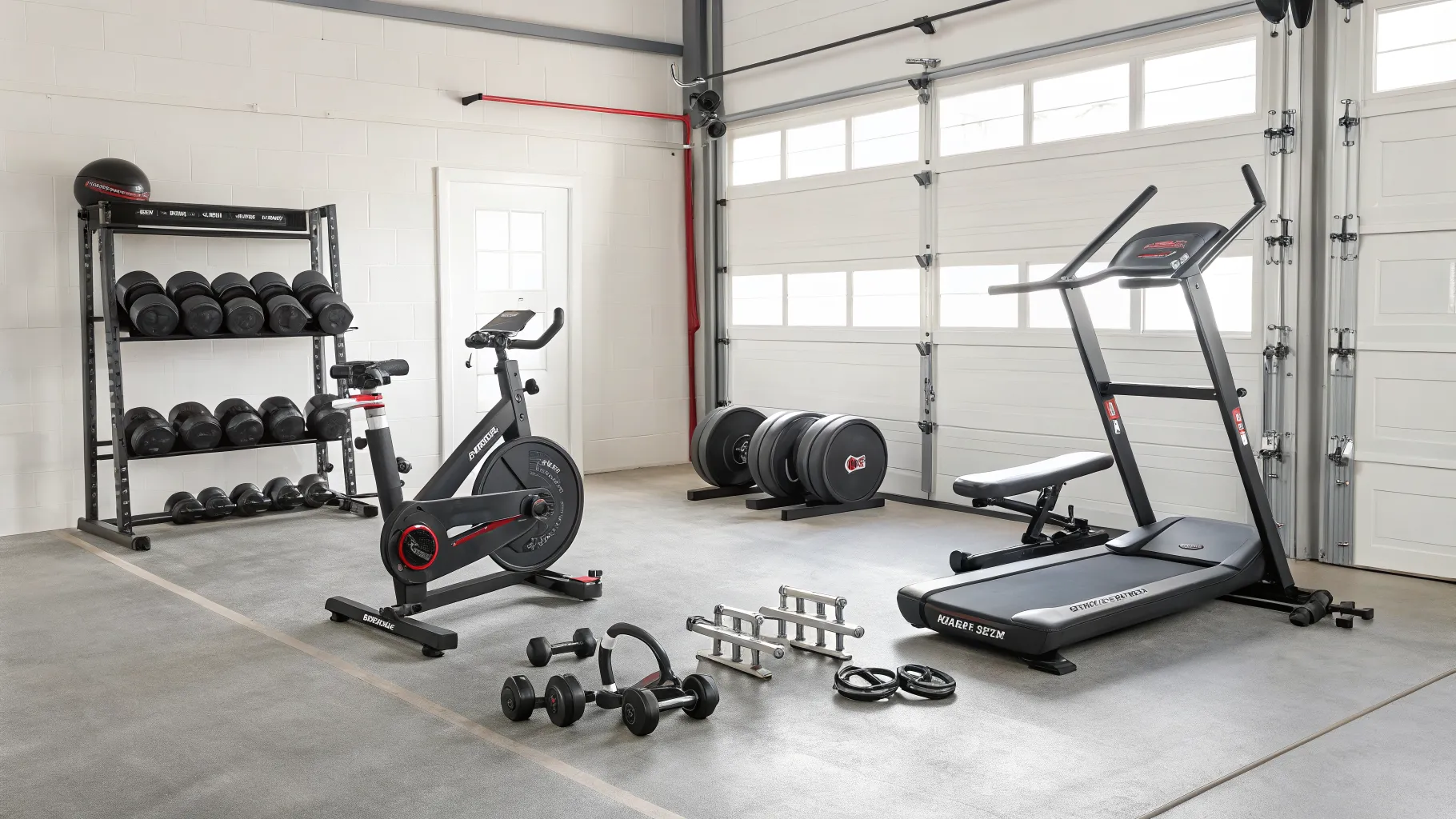
Opting for pre-owned exercise machines offers numerous advantages beyond just cost savings. Firstly, the initial financial outlay is significantly lower, making fitness accessible to a broader audience and freeing up funds for other essentials or accessories. Secondly, it's an environmentally conscious choice, as it extends the life cycle of existing products, reducing waste and the demand for new manufacturing. Many pieces of used gym equipment, especially commercial-grade models, are built to last and can withstand years of rigorous use. This means you can often find superior quality equipment, designed for durability, at a fraction of its original price when buying second-hand gym items. Furthermore, the depreciation curve for gym equipment is steep, meaning that even lightly used items can be found at deeply discounted rates, presenting incredible value for savvy shoppers looking to build an affordable home gym.
Where to Find Reliable Second-Hand Gym Equipment
Finding trustworthy sources for second-hand gym equipment is crucial for a successful purchase. Online marketplaces such as Craigslist, Facebook Marketplace, and eBay are popular options, offering a vast array of items directly from sellers. However, exercise caution and prioritize local pickups to inspect items firsthand. Specialty used fitness equipment stores, either brick-and-mortar or online, often offer refurbished fitness gear that has been professionally serviced and comes with limited warranties, providing an added layer of assurance. Estate sales and garage sales can also yield hidden gems, though these typically require more diligent searching. Additionally, some commercial gyms upgrade their equipment regularly and sell off their older, but still functional, pre-owned exercise machines. Always research the seller's reputation and read reviews when considering buying second-hand gym items from less familiar sources to ensure you are making a secure transaction and obtaining quality products for your affordable home gym setup.
Inspecting Used Gym Equipment Before Purchase
Thorough inspection is paramount when considering used gym equipment. For cardio machines like treadmills, ellipticals, or stationary bikes, test all moving parts. Check the motor for unusual noises, inspect the belt for wear and tear, and ensure all display functions work correctly. For weightlifting equipment, examine frames for cracks, rust, or bends. Barbells and dumbbells should be free from severe pitting or damage that could compromise safety. Cables on multi-gyms should be intact, without fraying, and pulleys should move smoothly. Always ask about the equipment's history, including maintenance records, previous usage, and any known issues. Don't hesitate to ask the seller to demonstrate functionality or to try the equipment yourself. A careful inspection prevents costly repairs down the line and ensures your second-hand gym equipment is safe and functional, contributing positively to your affordable home gym experience.
Common Pitfalls and How to Avoid Them
When buying second-hand gym equipment, several common pitfalls can turn a bargain into a burden. One major issue is purchasing items with hidden damage or excessive wear that isn't immediately obvious, leading to expensive repairs or a shortened lifespan. To avoid this, always conduct a comprehensive inspection as detailed above, and if possible, bring someone knowledgeable about fitness equipment with you. Another pitfall is buying equipment that doesn't fit your space or needs. Measure your designated workout area carefully and consider your fitness goals. A large, complex multi-gym might be a great deal, but useless if it overcrowds your space. Additionally, be wary of sellers offering deals that seem too good to be true, as they often are. Avoid transactions that require upfront payment without inspection or involve suspicious payment methods. Sticking to reputable sellers and following a strict vetting process for pre-owned exercise machines will significantly reduce your risk and help you achieve an effective and affordable home gym.
Maintaining Your Refurbished Fitness Gear
Proper maintenance is key to extending the life of your refurbished fitness gear and ensuring it remains safe and effective for your affordable home gym. Regularly clean your second-hand gym equipment to prevent dust and grime buildup, which can affect moving parts and electronics. For cardio machines, lubricate belts and moving components according to manufacturer guidelines – if available, find the manual online. Check bolts and screws periodically, tightening any that have loosened from use. Inspect cables and resistance bands for any signs of wear, fraying, or cracking, replacing them immediately if damage is found. Keep an eye on the motor and electrical connections for any unusual smells or sounds. Proactive maintenance not only preserves the functionality and appearance of your used gym equipment but also prevents minor issues from escalating into major, costly repairs. Treating your acquired items with care will ensure they serve your fitness journey for many years.
Smart Buying Strategies for Your Affordable Home Gym
- Research Specific Models: Before you even start looking, identify a few specific models of pre-owned exercise machines that fit your budget and space. Read reviews for new versions to understand common issues or strengths, which helps you identify potential red flags in used models.
- Set a Realistic Budget: Determine how much you are truly willing to spend. Remember to factor in potential costs for transportation and any minor repairs or replacement parts for your second-hand gym equipment. This prevents overspending on what initially seems like a good deal.
- Prioritize Essential Equipment: If funds are limited, focus on core pieces that provide the most benefit for your workout routine. For example, dumbbells and a bench might be more versatile than a single, specialized machine for a new affordable home gym setup.
- Ask Detailed Questions: Don't just ask
Authored by MyTrendSpot team