Selecting Your Perfect Small Garden Fountain: A Comprehensive Guide
Fast Facts:
- Small garden fountains enhance curb appeal.
- Water features boost property value for homeowners.
Navigating the Choices: Essential Considerations for Your Small Garden Fountain
Choosing the ideal small garden fountain involves more than just aesthetics; it's about creating a harmonious outdoor space that resonates with tranquility and beauty. A well-selected outdoor water feature can transform a mundane patio or garden corner into a captivating oasis, offering soothing sounds and a focal point for relaxation. This comprehensive guide will walk you through the critical factors, ensuring you make an informed decision for your personal sanctuary.
Understanding Your Space and Desired Ambiance
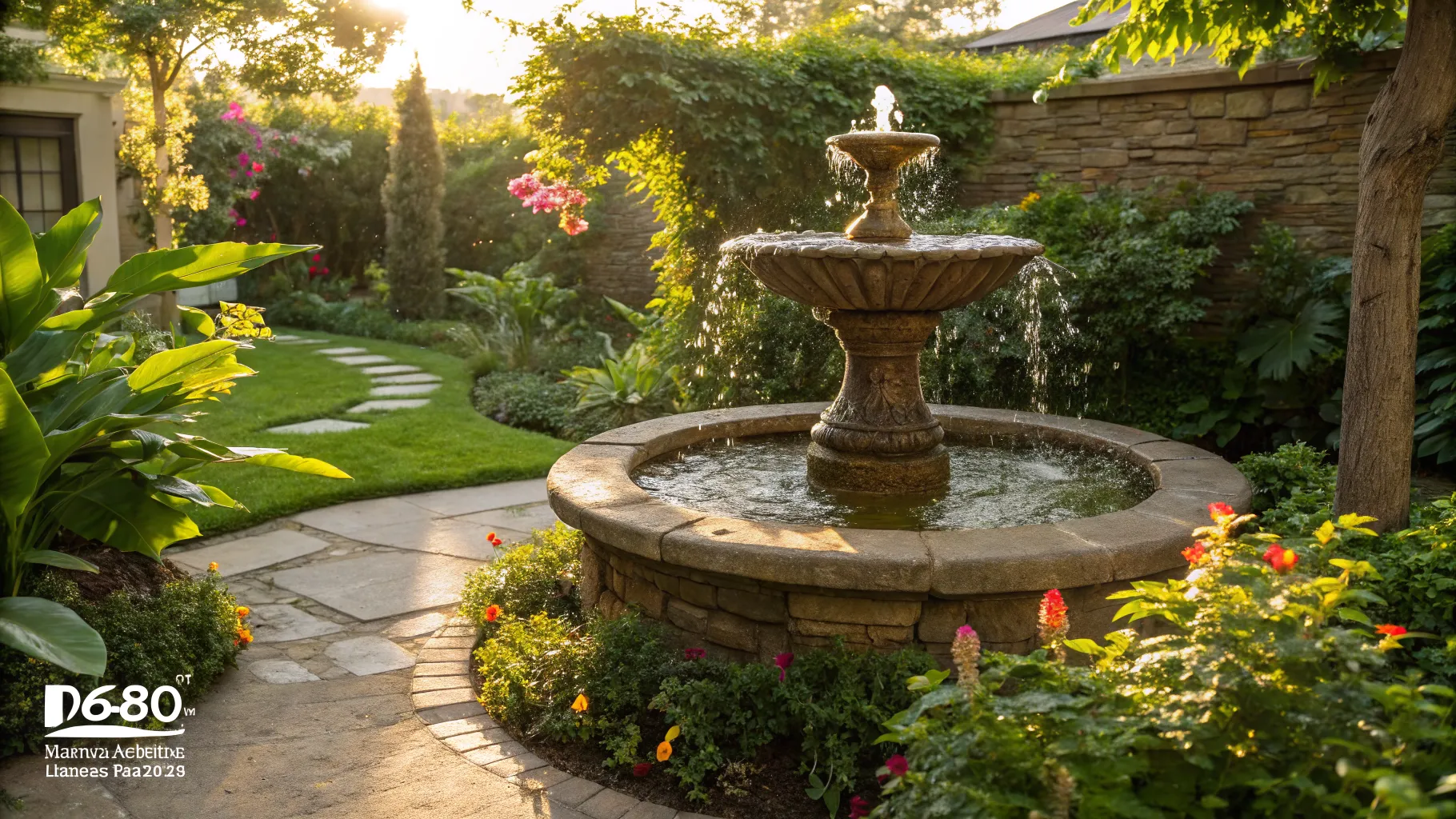
Before diving into specific models, carefully assess the intended location for your small garden fountain. Consider the available footprint: will it be a standalone feature, integrated into a flower bed, or placed on a patio table? The surrounding environment, including sunlight exposure and proximity to electrical outlets, will also influence your options. Think about the overall aesthetic you wish to achieve. A contemporary minimalist design might suit a modern patio, while a rustic stone fountain could complement a natural, cottage-style garden. The sound of water is a key component of any outdoor water feature; decide if you prefer a gentle trickle, a steady stream, or a more dynamic cascade, as this will dictate the fountain's design and height.
Sizing Up Your Options: The Importance of Fountain Size
Selecting the appropriate fountain size is paramount to ensuring your new small garden fountain looks proportional and doesn't overwhelm or get lost in your space. A fountain that's too large can make a small patio feel cramped, while one that's too tiny might go unnoticed in a sprawling garden. Measure your available area precisely, accounting for any surrounding plants or furniture. Consider the vertical impact as well; a taller fountain creates a more dramatic statement, while a wider, shallower one can offer a calming visual anchor. Visualizing the fountain in your space, perhaps using string or cardboard cutouts, can prevent costly mistakes and help you determine the ideal fountain size that harmonizes with its surroundings.
Material Matters: Durability and Maintenance
The choice of material significantly impacts both the appearance and longevity of your small garden fountain. Common options include resin, fiberglass, concrete, ceramic, and natural stone. Resin and fiberglass are lightweight, affordable, and durable, often designed to mimic the look of heavier materials, making them easy to move and install. Concrete offers substantial weight and a classic, robust appeal, but can be heavy and susceptible to cracking in freezing temperatures without proper care. Ceramic fountains are beautiful but can be fragile. Natural stone, such as granite or slate, provides unparalleled beauty and material durability, becoming a timeless outdoor water feature, though they are typically the most expensive and require professional installation due to their weight. Each material has unique maintenance requirements; factor these into your decision to ensure your fountain remains a pristine feature for years to come.
The Heart of the Fountain: Pump Efficiency and Features
The pump is the operational core of any small garden fountain, dictating water flow and overall performance. Prioritize pump efficiency to minimize energy consumption and operational costs. Look for pumps with adjustable flow rates, allowing you to control the sound and movement of the water. Submersible pumps are common for their quiet operation and discreet placement within the fountain's basin. Consider solar-powered pumps for an eco-friendly option, especially if an electrical outlet isn't readily accessible, though their performance can vary with sunlight availability. Ensure the pump's capacity is appropriate for the fountain's volume and height; an underpowered pump will result in a weak flow, while an overpowered one might create excessive splashing. Regular pump cleaning is crucial for maintaining optimal pump efficiency and extending its lifespan.
Installation and Maintenance: Ensuring Longevity
When selecting your small garden fountain, factor in the ease of installation. Many smaller models are designed for DIY setup, requiring only assembly and filling with water. Larger or heavier fountains, particularly those made of concrete or natural stone, may necessitate professional assistance for safe placement and connection. Once installed, ongoing maintenance is key to preserving your outdoor water feature. This includes regularly topping up the water to prevent pump damage, cleaning the basin to remove algae and debris, and performing seasonal winterization to protect components from freezing temperatures. Understanding these aspects upfront ensures that your chosen fountain remains a source of joy rather than a chore, maintaining its beauty and functionality with minimal effort.
Enhancing Your Small Garden Fountain Experience
To truly maximize the impact of your small garden fountain, consider incorporating additional elements. Integrated LED lighting can transform your fountain into a captivating nighttime spectacle, highlighting the flowing water and creating a magical ambiance. Surrounding the fountain with complementary planting, such as moisture-loving ferns or colorful annuals, can soften its edges and integrate it seamlessly into the garden landscape. Strategic placement near a seating area ensures you can fully enjoy the soothing sounds and visual appeal. Furthermore, regularly checking for leaks and ensuring proper filtration will prevent water loss and maintain crystal-clear water, enhancing both the aesthetic and the pump efficiency of your beloved outdoor water feature.
Tips for Maximizing Your Fountain's Appeal
Choose the Right Location: Select a spot where your small garden fountain can be easily seen and heard, preferably near a seating area, to fully enjoy its sensory benefits. Ensure it's on a level surface.
Consider Electrical Access: Plan for a nearby power source for the pump, or explore solar-powered options for remote locations. Proper wiring is crucial for safety and pump efficiency.
Match Style to Garden Theme: Ensure the fountain's design and material complement your existing garden aesthetic, whether it's modern, traditional, or natural. This ensures your outdoor water feature feels cohesive.
Regular Cleaning Schedule: Prevent algae buildup and maintain water clarity by cleaning the fountain basin and pump regularly. This protects the pump and enhances the visual appeal of your small garden fountain.
Winterize Properly: In colder climates, drain and cover your fountain or bring smaller models indoors during winter to prevent freezing damage, especially important for maintaining material durability.
Frequently Asked Questions
How often should I clean my small garden fountain?
It's generally recommended to clean your small garden fountain every 1-3 months, depending on the environment and how quickly algae or debris accumulate. Regular cleaning prevents pump clogs and maintains water clarity. In areas with heavy foliage or hard water, more frequent cleaning may be necessary to ensure optimal pump efficiency.
Can a small garden fountain attract mosquitoes?
Generally, no. A well-maintained outdoor water feature with circulating water discourages mosquito breeding. Mosquitoes prefer stagnant water to lay eggs. Ensure your pump is always running and the water is moving constantly. If water stands still for extended periods, it could become a breeding ground.
What's the best material for a small garden fountain in a sunny spot?
For sunny spots, materials like concrete, stone, or high-quality resin are excellent choices. These materials are less prone to fading or degradation from UV exposure compared to some plastics. While resin is lighter, concrete and natural stone offer superior material durability and resistance to sun-induced wear over time, making them a long-lasting outdoor water feature.
Do small garden fountains require a dedicated electrical circuit?
Most small garden fountains, especially those with low-power pumps, do not require a dedicated electrical circuit. They can typically be plugged into a standard outdoor GFCI (Ground Fault Circuit Interrupter) outlet. However, always check the manufacturer's specifications for your specific outdoor water feature to ensure proper electrical requirements and safety.
How do I prevent my small garden fountain from splashing too much?
Excessive splashing from a small garden fountain can be managed by adjusting the pump's flow rate if it has a control valve, ensuring the water level in the basin is adequate but not overfilled, or by strategically placing decorative rocks or larger pebbles in the splash zones. Sometimes, the design of the fountain itself, such as too high a drop, can be a factor. Experimentation with water flow and basin decor can help reduce splashing and maintain your desired fountain size aesthetic.
References
- Garden Design Magazine - Water Feature Trends
- Home & Garden Journal - Outdoor Living Spaces
- Landscape Architecture Review - Sustainable Water Features
Authored by MyTrendSpot team