Discover the Top 10 US Hospitals for Knee Replacement Surgery: Your Guide to Exceptional Orthopedic Care
Fast Facts:
- Knee replacement surgery is one of the most successful orthopedic procedures.
- Demand for joint replacement centers is steadily increasing for an aging population seeking mobility.
Navigating Excellence: Identifying Premier US Hospitals for Knee Replacement
Choosing the right facility for knee replacement surgery is a critical decision that profoundly impacts recovery and long-term outcomes. Patients seeking to regain mobility and alleviate chronic pain from conditions like osteoarthritis or knee injury must identify institutions that excel in this specialized field. This comprehensive guide is designed to assist you in understanding the characteristics that define the top orthopedic hospitals in the United States, ensuring you make an informed choice for your **orthopedic care**. We will delve into what makes a hospital stand out, from surgical expertise to patient support, highlighting the benchmarks of excellence in **joint replacement centers**.
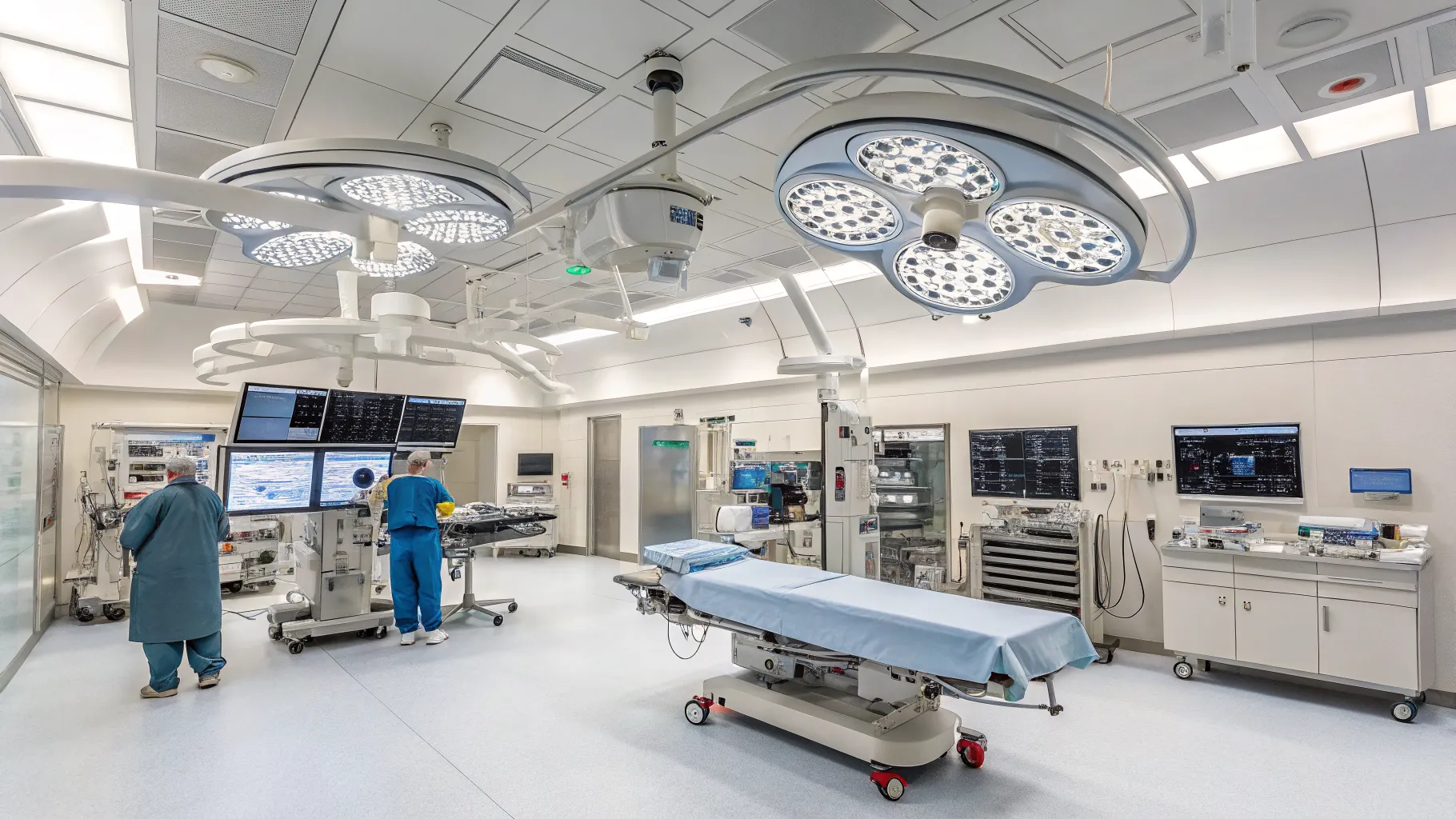
1. Expertise in High-Volume Procedures
Hospitals that consistently rank among the best for knee replacement surgery often perform a high volume of these procedures annually. This extensive experience translates directly into improved surgeon proficiency, refined team coordination, and optimized protocols. When surgeons and their teams handle numerous complex cases, they develop unparalleled expertise, leading to lower complication rates and superior patient outcomes. This high volume is a strong indicator of a hospital's commitment and capability in delivering specialized orthopedic care.
2. Advanced Surgical Techniques and Technology
Leading joint replacement centers are at the forefront of adopting cutting-edge surgical techniques and technology. This includes robotic-assisted surgery, which allows for greater precision in implant placement, and minimally invasive approaches that can lead to smaller incisions, reduced blood loss, and faster recovery times. Access to advanced imaging, navigation systems, and custom implants further distinguishes these facilities, ensuring patients receive the most modern and effective treatments available for knee replacement surgery.
3. Comprehensive Pre-Operative and Post-Operative Care
Exceptional orthopedic care extends beyond the operating room. The best knee surgery hospitals offer robust pre-operative education programs, preparing patients physically and mentally for the procedure. Post-operative care is equally critical, encompassing personalized physical therapy regimens, pain management strategies, and continuous monitoring to support a smooth and effective recovery. This holistic approach ensures patients are well-supported throughout their entire journey, from preparation to rehabilitation.
4. Specialized Orthopedic Teams
A hallmark of top orthopedic hospitals is the presence of dedicated, multidisciplinary teams specializing in **knee replacement surgery**. These teams typically include board-certified orthopedic surgeons, anesthesiologists specializing in regional nerve blocks, highly trained orthopedic nurses, physical therapists, occupational therapists, and pain management specialists. This collaborative approach ensures that every aspect of a patient's care is managed by experts, optimizing both safety and outcomes.
5. Patient Safety and Infection Control Protocols
Patient safety is paramount, particularly in surgical environments. The top 10 US hospitals for knee replacement surgery implement rigorous infection control protocols and patient safety measures to minimize risks. This includes advanced sterilization techniques, strict adherence to surgical checklists, and continuous monitoring of infection rates. Hospitals with an outstanding record in patient safety provide peace of mind and significantly reduce the likelihood of complications after knee replacement surgery.
6. Research and Innovation Contributions
Many of the premier joint replacement centers are also academic medical centers or research institutions. Their active involvement in clinical trials and orthopedic research means they are often pioneering new techniques, developing better implants, and advancing the understanding of **orthopedic care**. Patients at these facilities benefit from access to the latest advancements and innovative treatments, which might not yet be widely available elsewhere.
7. Exceptional Patient Outcomes and Satisfaction Scores
Data-driven outcomes are a crucial indicator of quality. The best knee surgery hospitals meticulously track their patient outcomes, including complication rates, revision surgery rates, and patient-reported satisfaction. High patient satisfaction scores, coupled with objectively superior clinical results such as improved mobility and reduced pain, reflect a hospital's dedication to quality care and successful knee replacement surgery.
8. Accreditation and Recognition from Leading Bodies
Recognition from reputable healthcare accreditation organizations, such as The Joint Commission or specific disease-specific certifications for joint replacement, signifies adherence to the highest standards of care. These accreditations are awarded after rigorous evaluations of a hospital's processes, outcomes, and commitment to continuous improvement, marking them as leading joint replacement centers.
9. Focus on Pain Management and Rehabilitation
Effective pain management is crucial for comfort and accelerated recovery after knee replacement surgery. Leading hospitals employ multi-modal pain management strategies, including nerve blocks, non-opioid medications, and physical therapy. Furthermore, integrated rehabilitation programs are designed to restore strength, flexibility, and function efficiently, ensuring patients return to their daily activities with minimal discomfort and maximum benefit from their orthopedic care.
10. Access to Integrated Health Services
For patients with complex medical histories or co-existing conditions, access to integrated health services within the same hospital system can be invaluable. The top orthopedic hospitals often have specialists in cardiology, pulmonology, and other fields readily available, ensuring comprehensive care and prompt management of any medical issues that may arise during or after knee replacement surgery, enhancing overall patient safety and recovery.
Evaluating Your Options: A Deep Dive into Choosing Top Orthopedic Hospitals
When faced with the decision of where to undergo knee replacement surgery, a deep analysis of available options is paramount. While rankings provide a valuable starting point, understanding the nuances of what makes a hospital truly exceptional for your specific needs is critical. Consider not just the raw numbers but also the hospital's culture of care, the accessibility of its specialists, and its approach to patient-centered treatment. Geographic proximity, insurance coverage, and personal recommendations can also play a role, but should always be balanced against the objective measures of quality in orthopedic care. Researching individual surgeon's outcomes and experience within a highly rated facility for knee replacement surgery can further refine your choice, ensuring a personalized approach to selecting the best knee surgery hospitals.
Key Steps to Selecting the Best Knee Surgery Hospitals
- Consult Your Primary Care Physician: Your family doctor can provide initial recommendations and referrals to orthopedic specialists who perform knee replacement surgery, often guiding you towards reputable joint replacement centers within your network.
- Research Hospital Rankings and Specialties: Utilize national rankings and specialized reports focused on **orthopedic care** to identify hospitals with a proven track record in **knee replacement surgery**. Look for specific certifications related to joint replacement.
- Schedule Multiple Surgeon Consultations: Meet with several orthopedic surgeons from different top orthopedic hospitals. This allows you to compare their philosophies, experience, and the specific surgical techniques they employ, helping you feel confident in your choice.
- Understand Insurance Coverage: Verify which hospitals and surgeons are in-network with your insurance plan to minimize out-of-pocket costs for your **knee replacement surgery**. Be aware of any pre-authorization requirements.
- Consider Rehabilitation Facilities: Inquire about the hospital's in-house or affiliated rehabilitation programs. A strong, integrated physical therapy program is crucial for optimal recovery and long-term success after knee replacement surgery.
Frequently Asked Questions
What factors should I consider when choosing a hospital for knee replacement surgery?
When selecting a hospital for knee replacement surgery, key factors include the hospital's volume of procedures, surgeon experience, patient outcomes and satisfaction rates, accreditation, advanced technology, and comprehensive pre- and post-operative care, as these all contribute to high-quality orthopedic care.
Are all joint replacement centers equally equipped for complex cases?
No, not all joint replacement centers are equally equipped for complex cases. Top orthopedic hospitals often have specialized equipment, multidisciplinary teams, and protocols designed for more challenging surgeries, making them better suited for patients with unique medical histories or complex anatomical considerations for knee replacement surgery.
How important are patient outcomes when selecting top orthopedic hospitals?
Patient outcomes are extremely important as they directly reflect the quality and effectiveness of the hospital's orthopedic care. Reviewing data on complication rates, readmission rates, and patient-reported improvements can help you identify best knee surgery hospitals with a strong record of successful knee replacement surgery.
What is the typical recovery time after knee replacement surgery?
The typical recovery time after knee replacement surgery varies, but most patients can expect to regain significant mobility within 3 to 6 months. Full recovery and return to all activities can take up to a year. Adherence to physical therapy programs provided by joint replacement centers is crucial for optimal recovery.
Do best knee surgery hospitals offer advanced pain management techniques?
Yes, best knee surgery hospitals typically offer a range of advanced pain management techniques for knee replacement surgery, including regional nerve blocks, multi-modal analgesia (combining different types of pain relievers), and patient-controlled analgesia (PCA) to ensure comfort and facilitate early mobilization during recovery.
References
- Agency for Healthcare Research and Quality.
Authored by MyTrendSpot team