Understanding Assisted Living Costs in the United States: A Comprehensive Guide
Fast Facts:
- Average monthly assisted living costs exceed $4,500 nationwide.
- Demand for elderly care services is projected to rise significantly for the aging population.
Demystifying Assisted Living Costs Across the United States
Navigating the complex landscape of assisted living costs in the United States is a significant concern for families planning for the future care of elderly loved ones. Understanding the various components that contribute to these long-term care expenses is crucial for effective financial planning and ensuring peace of mind. This comprehensive guide will delve into the factors influencing these costs, regional variations, available payment options, and essential considerations beyond the basic monthly fees, offering clarity on senior living affordability.
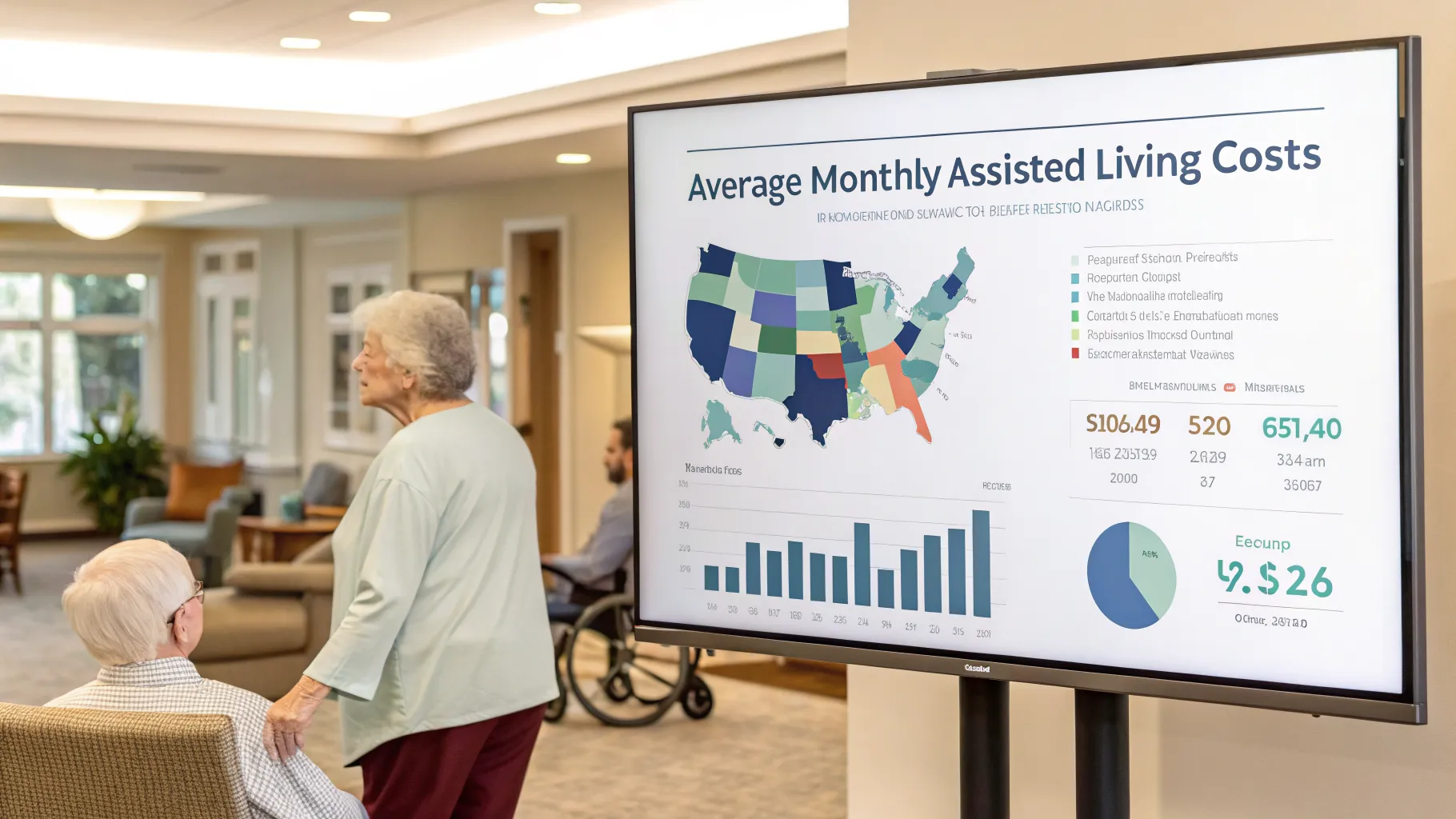
Understanding the Factors Influencing Assisted Living Costs
The total monthly expenditure for assisted living can vary dramatically based on several key determinants. These factors collectively shape the care facility pricing and ultimately dictate the overall assisted living costs a family can expect to encounter. A thorough understanding of these elements is the first step in accurately assessing and planning for future needs.
Geographical Location
One of the most significant influences on assisted living costs is the geographical location of the facility. States and even specific metropolitan areas can have vastly different average prices. For example, urban centers and states with a higher cost of living, such as those on the East and West Coasts, typically present much higher long-term care expenses compared to rural areas or states in the Midwest and South. This disparity is often attributed to variations in real estate values, labor costs for caregivers, and local economic conditions that affect overall senior living affordability.
Level of Care Required
The specific level of care an individual requires is a primary driver of their personal assisted living costs. Facilities offer tiered services, and the more extensive the personal care needs—such as assistance with daily activities like bathing, dressing, medication management, or mobility—the higher the monthly fee. Assessments are typically conducted upon admission to determine the appropriate level of care, which directly impacts the elderly care costs and ensures residents receive the support necessary for their well-being.
Facility Amenities and Services
The range and quality of amenities and services provided by an assisted living facility also play a crucial role in its care facility pricing. High-end facilities offering luxurious accommodations, gourmet dining, extensive recreational programs, fitness centers, and specialized therapies often command significantly higher fees than more basic options. While these added benefits contribute to a richer living experience, they undeniably increase the overall assisted living costs. Families must weigh the value of these amenities against their budget for long-term care expenses.
Regional Variations in Assisted Living Expenses
As previously highlighted, the state and region where an assisted living facility is located profoundly affects the assisted living costs. These geographical differences can create substantial gaps in monthly expenditures, making it essential for families to research local market rates when considering their options for senior living affordability.
High-Cost States
States like New York, Massachusetts, California, and Alaska consistently report some of the highest average assisted living costs in the nation. In these regions, monthly fees can easily exceed $6,000 or even $8,000, particularly in major metropolitan areas. This is often due to a combination of high real estate prices, strong demand for senior care services, and elevated operational costs for facilities. Understanding these regional spikes in long-term care expenses is vital for those residing in or considering moving to such areas.
More Affordable Regions
Conversely, states in the Midwest and South, such as Missouri, Arkansas, Alabama, and Mississippi, tend to offer more affordable elderly care costs. In these areas, average monthly fees might fall in the range of $3,500 to $4,500. Lower costs of living, less expensive property, and a potentially larger supply of facilities contribute to more competitive care facility pricing. For families with flexibility in location, exploring options in these regions can significantly improve senior living affordability.
Financial Planning for Long-Term Care: Payment Options
Facing the substantial assisted living costs requires careful financial planning. Fortunately, several avenues exist to help cover these significant long-term care expenses. A multi-faceted approach, combining different payment strategies, is often the most effective way to ensure sustainable funding for assisted living.
Private Pay and Savings
For many families, private pay, utilizing personal savings, retirement funds, pensions, and Social Security benefits, is the primary method of covering assisted living costs. Liquidating assets, such as selling a home or other investments, might also be considered to generate the necessary funds. It is essential to consult with a financial advisor to understand the long-term implications of these choices on overall senior living affordability.
Long-Term Care Insurance
Long-term care insurance policies are specifically designed to help cover the costs associated with extended care, including assisted living. If purchased early enough in life, these policies can significantly mitigate the financial burden of future elderly care costs. However, the benefits and premiums vary widely, and eligibility can be a factor depending on health status. Reviewing existing policies or considering new ones is a crucial step in preparing for care facility pricing.
Veterans' Benefits
Eligible veterans and their surviving spouses may qualify for various benefits from the U.S. Department of Veterans Affairs (VA) to help cover assisted living costs. Programs like Aid and Attendance provide supplemental income to veterans who require assistance with daily activities. These benefits can make a substantial difference in managing long-term care expenses and improving access to quality care for those who have served.
Medicaid and State Programs
Medicaid is a joint federal and state program that provides health coverage to low-income individuals. While Medicaid typically covers nursing home care, many states also offer Medicaid Waivers or other state-specific programs that can help cover assisted living costs for eligible residents. These programs often have strict income and asset limits, but they can be a vital resource for those who meet the criteria, significantly impacting their senior living affordability.
Beyond the Monthly Fee: Additional Costs to Consider
While the monthly fee is the most prominent component of assisted living costs, it is crucial to recognize that other expenses can accumulate, adding to the overall financial commitment. Overlooking these additional costs can lead to unexpected financial strain when planning for long-term care expenses.
Entrance Fees and Deposits
Some assisted living communities, particularly Continuing Care Retirement Communities (CCRCs), may require a substantial one-time entrance fee or deposit upon admission. These fees can range from a few thousand dollars to hundreds of thousands, depending on the facility and the services included. While some are refundable, others are not. Understanding these upfront costs is critical for a complete picture of care facility pricing.
Personal Care and Medical Supplies
Residents will still incur costs for personal items, over-the-counter medications, specialized medical supplies (e.g., adult diapers, wound care products), and personal grooming services not covered by the standard monthly fee. These ongoing expenses, though individually small, can add up and affect the overall assisted living costs, making it important to factor them into the budget for elderly care costs.
Transportation and Activities
While many facilities offer basic transportation services for medical appointments and scheduled group outings, residents may incur additional charges for personalized transportation or special activities outside the regular programming. These supplementary services, designed to enhance quality of life, contribute to the total senior living affordability equation and should be discussed during the initial inquiry.
Navigating the Future of Senior Living Affordability
The landscape of assisted living costs is dynamic, influenced by broader economic and demographic trends. Understanding these future trajectories is essential for long-term planning regarding long-term care expenses and ensuring sustainable senior living affordability.
Rising Demand and Inflation
With the aging baby boomer population, the demand for assisted living services is projected to continue its upward trend. Increased demand, coupled with general economic inflation and rising labor costs for caregivers, will likely push assisted living costs higher in the coming years. Families should anticipate that current average prices will likely increase, necessitating proactive financial planning to address future elderly care costs.
Policy Changes and Innovations
Government policies, both federal and state, could evolve to address the growing challenge of long-term care expenses. Potential changes in Medicaid programs, new tax incentives for long-term care insurance, or innovative models of care delivery could impact senior living affordability. Additionally, technological advancements in remote monitoring and care management might offer new solutions that could influence care facility pricing in the long run.
Strategies for Managing Assisted Living Costs
Effectively managing and preparing for assisted living costs requires a proactive and informed approach. By adopting specific strategies, families can alleviate some of the financial burden associated with these significant long-term care expenses.
- Research Thoroughly: Investigate multiple facilities in your desired geographical area to compare care facility pricing, services, and amenities. Do not hesitate to ask for detailed breakdowns of all potential charges, including those beyond the basic monthly fee, to fully understand the impact on senior living affordability.
- Plan Early: Begin financial planning for elderly care costs as early as possible. This includes discussing options with family members, assessing current assets, and exploring potential funding sources like long-term care insurance or savings plans before the need for care becomes immediate.
- Consult Financial Advisors: Seek professional advice from financial planners who specialize in elder care. They can help create a personalized financial strategy, identify potential tax benefits, and navigate complex investment decisions related to covering assisted living costs.
- Explore All Aid Options: Diligently research and apply for any eligible government benefits, such as Veterans' Aid and Attendance, Medicaid Waivers, or state-specific assistance programs. These resources can significantly reduce the out-of-pocket long-term care expenses.
- Understand Contracts: Carefully review all facility contracts and agreements with legal counsel if possible. Pay close attention to clauses regarding rate increases, discharge policies, and what happens if a resident's financial situation changes, ensuring clarity on future assisted living costs.
Frequently Asked Questions
What is the average monthly assisted living cost in the US?
The average monthly assisted living cost in the United States typically ranges from $4,500 to $5,000, though this figure can vary significantly based on geographical location, the level of care required by the individual, and the specific amenities offered by the facility. For instance, costs in high-demand urban areas or luxurious facilities can easily exceed $6,000 to $8,000 per month, while more rural or basic facilities may fall below the national average. It's crucial to research local averages for a more precise estimate of long-term care expenses in your area.
Does Medicare cover long-term care expenses?
Generally, Medicare does not cover ongoing long-term care expenses, including most assisted living costs. Medicare is primarily designed for acute medical care, such as hospital stays, doctor visits, and skilled nursing care for a limited period after a qualifying hospital stay. It does not pay for custodial care, which constitutes the majority of services provided in assisted living facilities, like help with daily activities (bathing, dressing, eating). Therefore, families typically rely on private funds, long-term care insurance, or Medicaid waivers for assisted living coverage.
How can I prepare for future elderly care costs?
Preparing for future elderly care costs involves several key strategies. Start by assessing your financial situation, including savings, investments, and potential income sources. Consider purchasing long-term care insurance while you are younger and healthier to lock in lower premiums. Explore government benefits like Medicaid Waivers or Veterans' benefits if applicable. Consulting a financial advisor specializing in elder care can help you create a comprehensive plan, ensuring you understand all aspects of potential assisted living costs and available funding options.
References
- Genworth Cost of Care Survey.
- AARP Public Policy Institute reports on long-term care.
- U.S. Department of Health and Human Services data on senior care.
- National Council on Aging resources.
- State-specific Medicaid program guidelines.
Authored by MyTrendSpot team