Navigating Your Window Replacement Cost: A Comprehensive Guide
Fast Facts:
- Average window replacement cost varies significantly.
- Energy efficiency drives many home window replacement decisions for homeowners.
Understanding the Diverse Factors Influencing Window Replacement Cost
Embarking on a home window replacement project is a significant investment that can greatly enhance your property's value, energy efficiency, and aesthetic appeal. However, one of the most pressing questions homeowners face is regarding the overall window replacement cost. This comprehensive guide aims to demystify the various elements that contribute to the final price tag, ensuring you are well-informed to make the best decisions for your home. From material choices to installation complexities, understanding these factors is crucial for accurate budgeting and avoiding unexpected expenses related to your new windows cost.
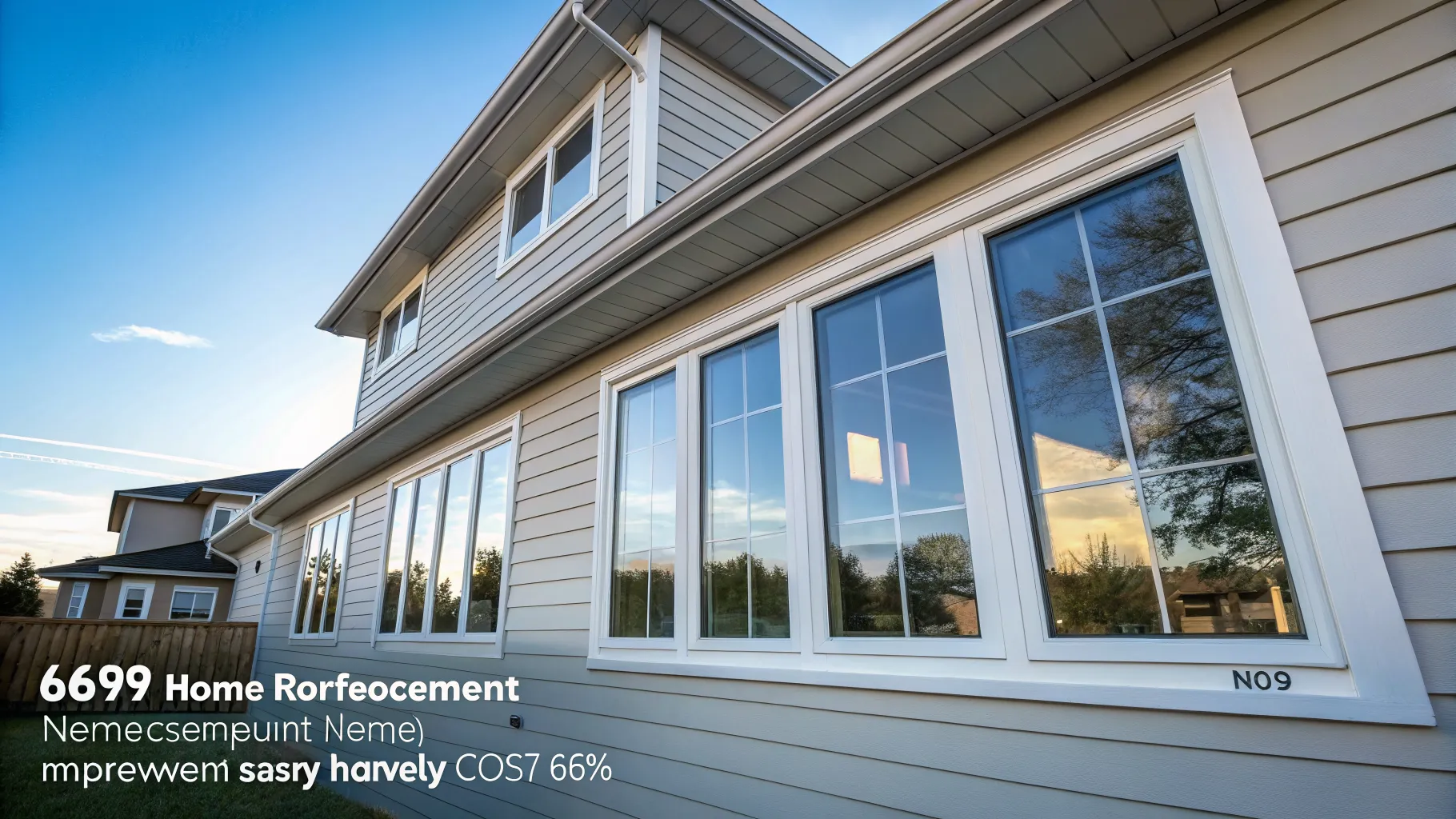
Types of Windows and Their Impact on Window Replacement Cost
The type of window you choose is a primary determinant of your overall window replacement cost. Different styles and materials come with varying price points due to their construction, durability, and features. For instance, basic single-hung windows are generally more affordable than double-hung, casement, or bay windows. Material choices like vinyl, wood, fiberglass, and aluminum also play a crucial role. Vinyl windows often represent a cost-effective solution, offering good insulation and low maintenance, which contributes positively to reducing the long-term cost of window replacement. Wood windows, while aesthetically pleasing and offering excellent insulation, typically come at a higher premium due to material and maintenance requirements. Fiberglass windows are gaining popularity for their durability and energy efficiency, positioning them as a mid-to-high-range option in terms of initial new windows cost, but often providing superior performance.
Vinyl Windows: An Economical Choice
Vinyl windows are a popular choice for homeowners seeking a balance between affordability and performance. Their frames are made from polyvinyl chloride (PVC), which is highly durable, resistant to moisture, and requires minimal maintenance. The manufacturing process for vinyl is streamlined, allowing for competitive pricing compared to other materials. When considering the window replacement cost, vinyl often provides the best value, offering good insulation properties that can lead to energy savings over time. The range of styles and colors available in vinyl also makes them versatile for various architectural designs.
Wood Windows: Classic Appeal with a Higher Price Tag
Wood windows offer unparalleled aesthetic appeal and excellent natural insulation. They can significantly enhance the traditional look and feel of a home, especially in historic properties. However, their window replacement cost is generally higher due to the material expense, complex manufacturing, and the need for regular maintenance like painting or staining. While wood windows provide superior thermal performance, their susceptibility to rot, warping, and insect damage necessitates consistent care, which adds to the long-term cost of window replacement. This higher investment often reflects a commitment to classic beauty and premium craftsmanship.
Fiberglass Windows: Durability and Efficiency
Fiberglass windows are known for their exceptional strength, durability, and energy efficiency. Made from a composite material, they are resistant to warping, rotting, and corrosion, making them a long-lasting option. Although the initial new windows cost for fiberglass can be higher than vinyl, their longevity and low maintenance can offer better value over the lifespan of the windows. They also offer excellent insulation properties, contributing to lower energy bills. Homeowners seeking a robust, high-performance window with a modern aesthetic often find fiberglass to be a compelling choice, despite the higher upfront window installation cost.
Understanding Window Installation Cost: Labor and Complexity
Beyond the cost of the windows themselves, the window installation cost constitutes a significant portion of the total project expense. This includes labor, removal of old windows, and any necessary repairs to the window opening. The complexity of the installation process plays a critical role. For instance, replacing a standard-sized window in good condition will be less expensive than installing a custom-sized window, or one that requires significant structural modifications to the wall. Factors like the age of the home, the condition of the existing frame, and accessibility can all drive up labor costs. Professional installers typically charge per window, or on an hourly basis, and their rates can vary based on experience and location. It's essential to get detailed quotes that break down both material and window installation cost to ensure transparency.
Geographic Location and Installer Rates
The window installation cost can vary significantly depending on your geographic location. Metropolitan areas often have higher labor costs compared to rural regions due to higher living expenses and demand. Furthermore, the reputation and experience of the window installer play a role; highly experienced and well-regarded contractors may charge more for their expertise and guarantee of quality workmanship. It's prudent to obtain multiple quotes from different local companies to compare prices and ensure you're getting a competitive rate for your home window replacement project. Always verify that the quotes include all aspects of the installation, from removal to cleanup.
Energy Efficiency Features and Their Influence on New Windows Cost
Investing in energy-efficient windows can significantly reduce your utility bills, but these features also impact the initial new windows cost. Key elements include low-emissivity (Low-E) coatings, argon or krypton gas fills between panes, and multiple glazing (double or triple-pane). Low-E coatings help reflect infrared light, keeping heat inside in winter and outside in summer, thus improving thermal performance. Inert gases like argon and krypton enhance insulation by reducing heat transfer. While these features add to the upfront window replacement cost, the long-term savings on heating and cooling can often offset the initial investment, making them a wise choice for homeowners looking to improve their home's energy footprint. Always consider the U-factor and Solar Heat Gain Coefficient (SHGC) ratings when evaluating energy efficiency.
Low-E Coatings and Gas Fills
Low-emissivity (Low-E) coatings are microscopic, transparent metal layers applied to window glass that help regulate the amount of heat passing through. They are crucial for improving a window's thermal performance without significantly affecting visibility. Similarly, filling the space between window panes with inert gases like argon or krypton provides an additional layer of insulation, further reducing heat transfer. These features, while increasing the initial cost of window replacement, are fundamental to achieving higher energy efficiency ratings and contribute directly to long-term savings on utility bills. Homeowners should evaluate the climate zone they live in to determine the optimal Low-E coating and gas fill combination for their home window replacement.
Additional Costs and Considerations for Window Replacement Cost
When budgeting for a home window replacement, it's crucial to account for potential additional costs beyond the window unit and basic installation. These can include removal and disposal fees for old windows, which can sometimes be a separate charge. If the existing window frames are damaged or if the opening needs to be resized, you might incur repair or carpentry costs. Furthermore, specialized windows, such as those with unique shapes, custom sizes, or historical reproductions, will naturally command a higher new windows cost due to custom fabrication. Permitting fees, required in many jurisdictions for structural changes, are another potential expense to factor in. It’s important to discuss all these potential surcharges with your contractor upfront to get a truly comprehensive estimate of your total window replacement cost.
Maximizing Value and Saving on Your Cost of Window Replacement
While the window replacement cost can be substantial, there are several strategies homeowners can employ to maximize value and potentially reduce overall expenses. One effective approach is to consider replacing windows in phases, prioritizing the oldest or least efficient windows first. Taking advantage of seasonal sales or off-peak installation periods can also lead to savings. Exploring available rebates and tax credits for energy-efficient windows is another smart financial move; many government programs and utility companies offer incentives for installing certified energy-efficient products, which can significantly offset the initial cost of window replacement. Additionally, obtaining multiple, detailed quotes from reputable contractors ensures competitive pricing and helps you compare services thoroughly. Don't shy away from negotiating or asking about package deals when purchasing multiple windows.
When comparing different quotes for home window replacement, it's vital to look beyond just the bottom line. Analyze the specifics of the window models offered, including frame material, glazing options, and energy efficiency ratings (U-factor, SHGC). A seemingly lower window replacement cost might indicate lesser quality materials or fewer energy-saving features. Conversely, a higher quote might include superior products, a more extensive warranty, or more comprehensive installation services. Evaluate the reputation of the contractor, their experience, and customer reviews. Always ensure the quote includes all potential charges, such as old window disposal, trim work, and any necessary permits. A detailed breakdown helps in a true apples-to-apples comparison, ensuring you understand exactly what you're paying for in terms of new windows cost and installation quality.
Smart Strategies for Managing Your Window Replacement Cost
- Prioritize Windows: Assess your existing windows and identify which ones are the least efficient or most damaged. Prioritize these for replacement first to maximize immediate energy savings and manage the overall window replacement cost more effectively over time. This phased approach can make a large project more financially manageable.
- Seek Multiple Quotes: Always obtain at least three detailed estimates from different, reputable window contractors. This allows you to compare prices, product offerings, warranties, and installation processes, ensuring you get the best value for your home window replacement project. Ensure all quotes are comprehensive and transparent.
- Research Energy Incentives: Investigate federal, state, and local energy rebates or tax credits for installing energy-efficient windows. These programs can significantly reduce your out-of-pocket new windows cost. Check with your utility company as well, as they often offer incentives.
- Consider DIY for Minor Prep: While professional installation is recommended, you might save on labor costs by handling minor tasks yourself, such as removing old curtains or clearing the area around the windows. Discuss this with your installer to ensure it doesn't void warranties or complicate the installation. However, avoid attempting the actual window installation unless you are highly experienced.
- Understand Warranty Coverage: A robust warranty can save you money on potential repairs or replacements down the line. Compare warranty terms on both the windows themselves and the installation labor. A strong warranty adds long-term value to your window replacement cost investment.
Frequently Asked Questions
What is the average window replacement cost?
The average window replacement cost typically ranges from $300 to $1,000 per window, including installation. However, this can vary significantly based on window type (e.g., vinyl, wood, fiberglass), style (e.g., double-hung, casement, bay), energy efficiency features, and labor rates in your specific geographic area. Custom sizes or complex installations can push costs higher. It's best to get personalized quotes for an accurate estimate of your home window replacement project.
How can I reduce the cost of window replacement?
To reduce the cost of window replacement, consider several strategies. You can opt for more economical window materials like vinyl, replace windows in phases, and seek multiple quotes from different contractors to ensure competitive pricing. Additionally, look for energy efficiency rebates, tax credits, or utility company incentives that can offset the initial new windows cost. Performing minor preparatory tasks yourself, like clearing window areas, might also slightly reduce labor costs, though professional installation is crucial for quality and warranty.
Is the window installation cost included in the window price?
Generally, the window installation cost is quoted separately from the cost of the window unit itself, or presented as a combined total. When receiving estimates, it's critical to clarify whether the quoted price includes both the materials and the labor for installation, as well as removal and disposal of old windows, and any necessary trim work or repairs. A clear breakdown will help you understand the full window replacement cost and avoid unexpected charges. Always ask for an itemized quote.
What factors impact the new windows cost the most?
The factors that most significantly impact the new windows cost include the window material (vinyl, wood, fiberglass), the window style (single-hung, double-hung, casement, bay, etc.), the level of energy efficiency features (Low-E coatings, gas fills, triple-pane glass), and the complexity of the installation. Custom-sized windows, historical reproductions, and labor rates in your specific region also play a substantial role. Each of these elements contributes to the overall window replacement cost and should be considered when budgeting.
How long do new windows last, affecting the cost of window replacement over time?
The lifespan of new windows, which influences the long-term cost of window replacement, varies significantly by material and quality. High-quality vinyl windows can last 20-40 years, while wood windows can last 20-30 years with proper maintenance. Fiberglass windows often boast the longest lifespan, sometimes exceeding 50 years due to their exceptional durability. The initial investment in durable, energy-efficient windows often pays off over their lifespan through reduced energy bills and fewer repair or replacement needs, making the long-term cost of window replacement more favorable.
References
- Consumer Reports: Window Replacement Guide
- Energy Star: Residential Windows, Doors, and Skylights
- National Association of Home Builders: Cost of Home Improvements
- Remodeling Magazine: Cost vs. Value Report (Windows)
- Local Window Installation Companies: Pricing and Services
Authored by MyTrendSpot team