A Comprehensive Guide to Understanding Foods that Trigger AFib Symptoms
Facts:
- AFib is the most common heart arrhythmia.
- Dietary factors can significantly influence AFib symptoms for many individuals.
Understanding Dietary Impacts on Atrial Fibrillation
For individuals living with atrial fibrillation (AFib), understanding the potential relationship between diet and AFib symptoms is crucial. While not everyone experiences dietary trigger foods, identifying and avoiding certain items can significantly improve heart health and quality of life. This guide delves into common culprits and offers strategies for managing your diet effectively to reduce the likelihood of AFib episodes.
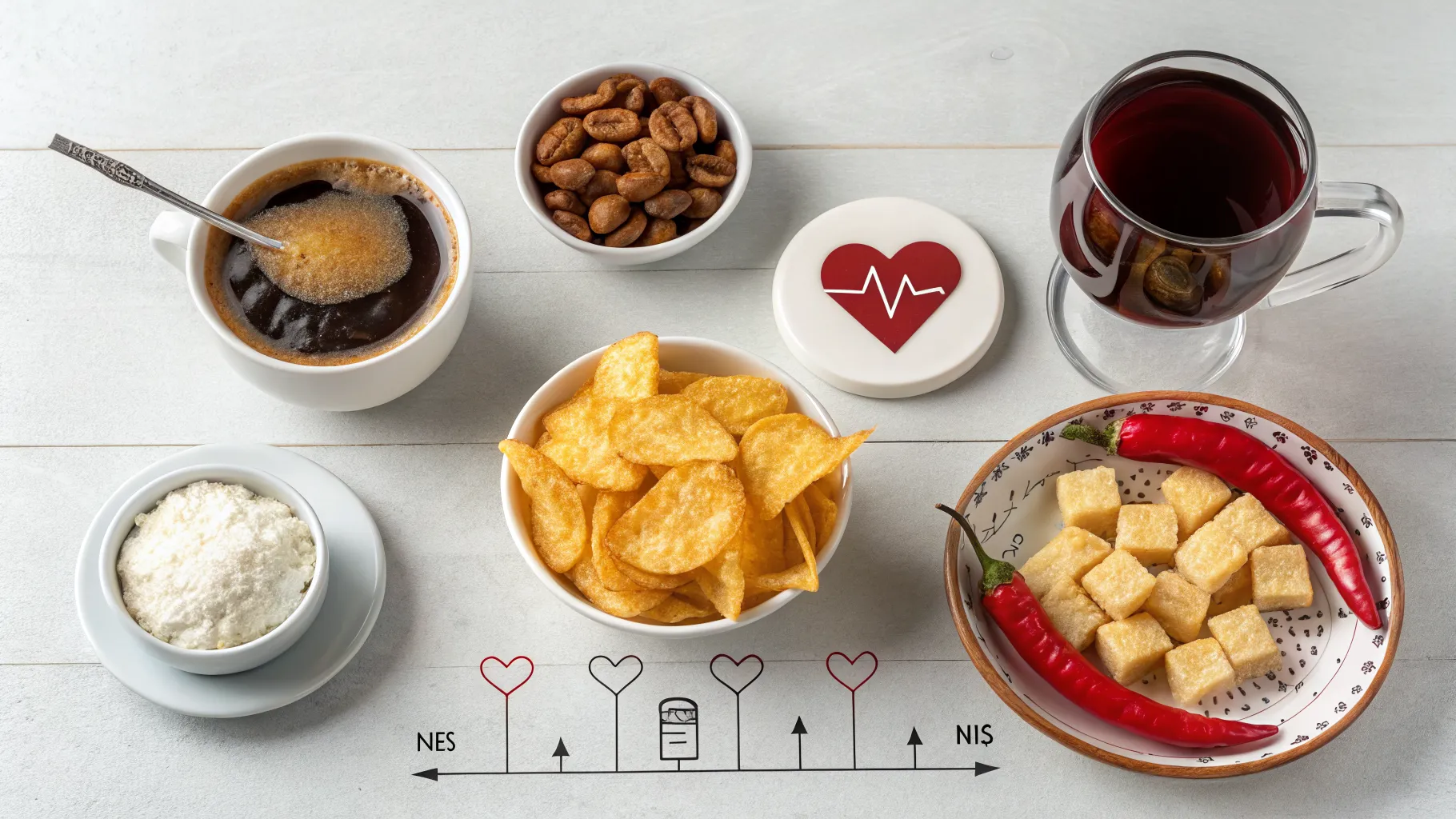
Common Dietary Culprits: Identifying AFib Trigger Foods
Many individuals with atrial fibrillation find that certain foods or beverages can provoke or exacerbate their AFib symptoms. The precise mechanisms vary, but often involve inflammation, electrolyte imbalance, or direct cardiac stimulation. Recognizing these trigger foods is the first step towards better management.
High Sodium Foods
Foods high in sodium, such as processed meats, canned soups, frozen meals, and many snack foods, can contribute to fluid retention and increased blood pressure. This added strain on the heart can potentially lead to an irregular heartbeat, making them significant trigger foods for some. Reducing sodium intake is a cornerstone of maintaining good heart health, especially for those prone to AFib symptoms.
Stimulants: Caffeine and Alcohol
Both caffeine and alcohol are well-known stimulants that can affect heart rhythm. While moderate caffeine consumption may be tolerated by some, excessive intake from coffee, energy drinks, or certain teas can directly trigger palpitations and AFib episodes. Alcohol, particularly in larger quantities, can disrupt the heart's electrical signals and lead to what is sometimes called 'Holiday Heart Syndrome,' a form of acute atrial fibrillation. It is essential for individuals to gauge their personal tolerance for these substances to protect their heart health.
Sugary and Refined Carbohydrate-Rich Foods
Diets high in refined sugars and carbohydrates, found in sodas, pastries, white bread, and many convenience foods, can lead to rapid blood sugar spikes and subsequent crashes. This can promote inflammation and oxidative stress, both of which are implicated in the pathogenesis of atrial fibrillation. Such dietary patterns contribute to overall metabolic dysfunction, which negatively impacts heart health and can heighten the risk of AFib symptoms.
Spicy Foods and Large Meals
Some people report that very spicy foods can trigger AFib episodes. While the exact link isn't fully understood, it's thought that the capsaicin in spicy foods might stimulate the vagus nerve, which influences heart rhythm. Similarly, extremely large meals, especially those high in fat, can put pressure on the stomach and diaphragm, potentially irritating the heart and provoking AFib symptoms in susceptible individuals. Eating smaller, more frequent meals can be a helpful strategy to avoid this particular type of trigger food.
Processed Foods and Artificial Ingredients
Processed foods often contain a multitude of artificial additives, preservatives, unhealthy fats, and high levels of sodium and sugar. These components can contribute to systemic inflammation and poor endothelial function, creating an environment conducive to arrhythmias. Avoiding highly processed foods and opting for whole, unprocessed alternatives is a general recommendation for excellent heart health and can be particularly beneficial for managing AFib symptoms.
Personalized Nutrition: Keeping a Food Diary for AFib Management
Identifying specific trigger foods is highly individual. What affects one person with atrial fibrillation may not affect another. The most effective way to pinpoint your personal AFib trigger foods is to keep a detailed food diary. For at least two to four weeks, meticulously record everything you eat and drink, along with any subsequent AFib symptoms or changes in heart rhythm. This systematic approach allows you and your healthcare provider to identify patterns and make informed dietary adjustments. Comparing your diet to your symptom log will help reveal which specific items are truly impacting your heart health. This self-monitoring is a powerful tool in personalized AFib management.
Practical Strategies for Managing Your Diet with AFib
Effectively managing your diet when you have atrial fibrillation involves more than just avoiding known trigger foods; it also includes adopting proactive strategies to support your overall heart health.
Maintain a Hydrated State: Dehydration can lead to electrolyte imbalances, which can in turn provoke AFib symptoms. Ensure you are drinking adequate amounts of water throughout the day. Opt for plain water over sugary beverages or excessive caffeinated drinks. Proper hydration is fundamental for all bodily functions, including maintaining a stable heart rhythm and supporting overall heart health.
Embrace a Whole-Foods Diet: Focus on incorporating a wide variety of whole, unprocessed foods into your daily meals. This includes plenty of fresh fruits, vegetables, lean proteins, and whole grains. These foods are rich in essential vitamins, minerals, and antioxidants, which can help reduce inflammation and support cardiovascular function. A diet rich in nutrient-dense foods is crucial for stabilizing your system and mitigating potential AFib triggers.
Manage Portion Sizes: Consuming excessively large meals can place undue stress on your digestive system and potentially, your heart. Smaller, more frequent meals throughout the day can help prevent this. This approach ensures a steady supply of nutrients without overwhelming your system, which can be particularly beneficial for individuals trying to manage their AFib symptoms.
Read Food Labels Diligently: Many hidden sugars, excessive sodium, and artificial ingredients lurk in packaged foods. Becoming adept at reading food labels can help you identify and avoid potential trigger foods. Look for items with minimal added sugars, lower sodium content, and recognizable, natural ingredients to safeguard your heart health.
Consult with a Dietitian or Nutritionist: For a personalized approach, consider working with a registered dietitian or nutritionist who has experience with cardiovascular conditions. They can help you create a tailored meal plan that accounts for your specific AFib symptoms, other health conditions, and dietary preferences, ensuring you meet your nutritional needs while avoiding problematic foods.
Frequently Asked Questions
Can specific vegetables cause AFib symptoms?
While most vegetables are beneficial for heart health, certain green leafy vegetables rich in Vitamin K (like spinach, kale) can interfere with anticoagulant medications like Warfarin. However, they are not typically considered direct AFib trigger foods themselves; rather, their consistent intake needs to be managed if you're on specific medications.
Is it true that everyone with AFib has food triggers?
No, not everyone with atrial fibrillation will identify specific trigger foods. Dietary triggers are highly individual, and some people may find no direct correlation between their diet and their AFib symptoms. However, adopting a heart-healthy diet is universally recommended for overall heart health.
How quickly do AFib symptoms appear after eating a trigger food?
The onset of AFib symptoms after consuming a trigger food can vary greatly. For some, symptoms might appear within minutes to a few hours, especially with stimulants like caffeine or alcohol. For others, the effect might be more cumulative, building up over several hours or even a day. Consistent monitoring with a food diary is key to understanding your personal reaction time.
References
- American Heart Association: Dietary Guidelines for Cardiovascular Health.
- Journal of Atrial Fibrillation: The Impact of Diet on Arrhythmias.
- European Society of Cardiology Guidelines for Atrial Fibrillation Management.
- Mayo Clinic: Atrial Fibrillation and Diet.
Authored by MyTrendSpot team