Stage 2 Breast Cancer Characteristics: Understanding Tumor Size and Spread
Facts:
- Stage 2 breast cancer involves specific tumor sizes.
- Understanding tumor characteristics is vital for personalized treatment plans for breast cancer patients.
Defining Characteristics of Stage 2 Breast Cancer
Understanding the Stage 2 breast cancer diagnosis is crucial for patients and healthcare providers alike. This stage signifies that the cancer has grown beyond its original site but remains localized within the breast and potentially nearby lymph nodes, without distant metastasis. A key aspect of cancer staging involves evaluating both the primary tumor size and the extent of lymph node involvement, which are critical factors influencing prognosis and treatment pathways.
Unpacking Tumor Size and Extent
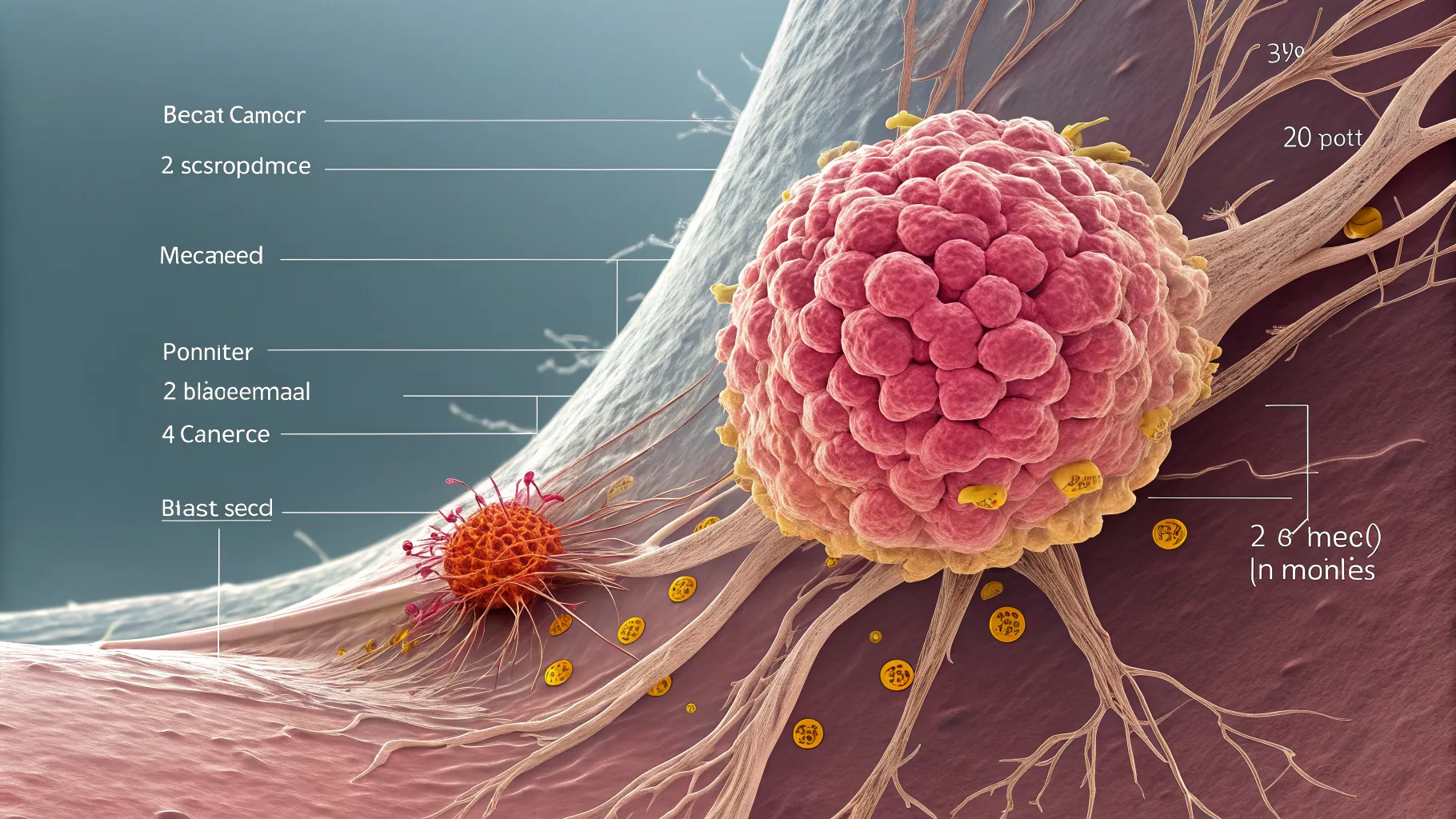
The defining aspect of Stage 2 breast cancer classification heavily relies on the physical dimensions of the primary tumor. In most cases, a tumor is categorized as Stage 2 if its tumor size and spread measures between 2 to 5 centimeters, or if it is smaller but has already spread to the axillary (underarm) lymph nodes. Even tumors larger than 5 cm can be classified as Stage 2 if they haven't spread to more than three lymph nodes and show no signs of distant metastasis. This precise measurement and evaluation of local spread are paramount for accurate cancer staging and subsequent therapeutic decisions.
Lymph Node Involvement in Stage 2
Lymph node involvement is a critical determinant in the staging of breast cancer. For Stage 2 breast cancer, this typically means the cancer has spread to 1 to 3 axillary lymph nodes. The presence and number of affected lymph nodes directly impact the risk of recurrence and dictate the aggressiveness of the required treatment. Pathologists meticulously examine removed lymph nodes to identify even microscopic clusters of cancer cells, which are crucial for determining the precise cancer staging and informing the patient's prognosis and treatment strategy. The careful assessment of these nodes provides vital clues about the cancer's potential to spread further.
Subtypes and Their Impact on Prognosis
Beyond size and spread, the biological characteristics of the tumor play a significant role in defining Stage 2 breast cancer and influencing the patient's prognosis and treatment plan. These characteristics include hormone receptor status (estrogen receptor (ER) and progesterone receptor (PR) positive or negative) and HER2 status (HER2-positive or HER2-negative). Tumors can also be triple-negative, meaning they lack all three receptors. Each subtype responds differently to various therapies, such as hormone therapy, targeted therapy, and chemotherapy. Understanding these intrinsic factors is essential for tailoring effective treatment regimens and predicting disease trajectory.
Diagnostic Tools and Staging Process
Accurate diagnosis and cancer staging for Stage 2 breast cancer involve a comprehensive suite of diagnostic tools. This typically begins with imaging studies like mammograms, ultrasounds, and sometimes MRI scans to identify suspicious areas and assess tumor size and spread. A biopsy is then performed to confirm the presence of cancer and determine its specific characteristics, including hormone receptor and HER2 status. If lymph node involvement is suspected, a sentinel lymph node biopsy is often conducted to determine if cancer cells have migrated to the first few lymph nodes draining the breast. These combined findings are crucial for establishing the precise cancer staging and guiding the personalized treatment approach.
Treatment Approaches for Stage 2 Breast Cancer
Treatment strategies for Stage 2 breast cancer are highly individualized, depending on the tumor's specific characteristics, the patient's overall health, and their preferences. Common approaches often involve a multi-modal strategy, beginning with surgery, which may be a lumpectomy or mastectomy, to remove the primary tumor. This is frequently followed by chemotherapy to eradicate any remaining cancer cells, especially if there's significant lymph node involvement or aggressive tumor biology. Radiation therapy may be used after surgery to reduce the risk of local recurrence. Furthermore, hormone therapy or targeted therapies are often prescribed for tumors with specific receptor profiles, aiming to improve long-term prognosis and treatment outcomes. The goal is always to achieve the best possible long-term survival and quality of life.
Navigating Your Stage 2 Breast Cancer Journey
- Seek a second opinion: Always consider consulting another specialist to confirm your diagnosis and treatment plan, especially for complex cases of Stage 2 breast cancer.
- Understand your pathology report: Familiarize yourself with your tumor's specific characteristics, including its size, grade, and receptor status, as this knowledge empowers you in discussions about prognosis and treatment.
- Build a strong support system: Engage with family, friends, and support groups. Emotional well-being is crucial during your cancer staging journey.
- Maintain a healthy lifestyle: Focus on nutrition, exercise, and stress reduction to support your body throughout treatment and recovery, enhancing your overall prognosis and treatment effectiveness.
- Communicate openly with your healthcare team: Ask questions, express concerns, and ensure you understand every aspect of your care, from tumor size and spread to potential side effects of treatment.
Frequently Asked Questions
What are the key characteristics of Stage 2 breast cancer?
Stage 2 breast cancer is characterized by a tumor that measures between 2 to 5 centimeters, or a smaller tumor (less than 2 cm) that has spread to 1-3 axillary lymph nodes. It can also include tumors larger than 5 cm if they haven't spread to the lymph nodes or have only spread to a few. The cancer has not spread to distant sites in the body. Understanding the specific tumor size and spread is crucial for accurate diagnosis.
How does lymph node involvement affect Stage 2 breast cancer?
For Stage 2 breast cancer, lymph node involvement typically means that cancer cells have been found in 1 to 3 lymph nodes under the arm (axillary lymph nodes). The presence and number of affected lymph nodes are significant indicators of the cancer's potential to spread and greatly influence the recommended prognosis and treatment plan, often leading to more aggressive therapies such as chemotherapy or radiation.
What diagnostic tests are used to confirm Stage 2 breast cancer?
Diagnosis of Stage 2 breast cancer involves a combination of imaging tests like mammograms, ultrasounds, and MRIs to assess tumor size and spread. This is followed by a biopsy to confirm the cancer and determine its biological characteristics. A sentinel lymph node biopsy is often performed to check for lymph node involvement, which is vital for precise cancer staging and guiding subsequent treatment decisions.
What are the common treatment options for Stage 2 breast cancer?
Treatment for Stage 2 breast cancer typically involves surgery (lumpectomy or mastectomy), often followed by adjuvant therapies such as chemotherapy, radiation therapy, hormone therapy, or targeted therapy, depending on the tumor's specific characteristics and lymph node involvement. The multi-modal approach aims to eradicate cancer cells and prevent recurrence, optimizing the patient's prognosis and treatment outcomes.
Is Stage 2 breast cancer considered curable?
Yes, Stage 2 breast cancer is often considered highly curable with appropriate prognosis and treatment. The outlook is generally favorable, especially with advancements in diagnostic tools and personalized treatment plans that account for specific tumor characteristics, tumor size and spread, and lymph node involvement. Early detection and adherence to comprehensive treatment protocols significantly improve long-term survival rates.
References
- American Cancer Society. Breast Cancer Stages.
- National Cancer Institute. Breast Cancer Treatment (PDQ®) – Health Professional Version.
- Mayo Clinic. Breast cancer: Diagnosis and treatment.
- Susan G. Komen. Stage II Breast Cancer.
- World Health Organization. Breast cancer: prevention and control.
Authored by MyTrendSpot team