Navigating Your Knee Replacement Recovery Timeline After 65: A Comprehensive Guide
Facts:
- Knee replacement surgery is highly successful for improved quality of life.
- Demand for total knee arthroplasty is rising for older adults recovery, reflecting increased longevity.
Understanding the Stages of Knee Replacement Recovery After 65
Embarking on a journey of knee replacement recovery timeline after 65 requires a clear understanding of the process and realistic expectations. For many older adults, this surgery offers a new lease on life, significantly reducing pain and improving mobility. However, successful recovery hinges on diligent adherence to post-operative instructions and a committed approach to post-surgery rehabilitation. This comprehensive guide will detail what to expect during each phase, helping you navigate your path back to an active lifestyle with confidence and knowledge.
Immediate Post-Operative Period: Days 1-7 of Recovery After 65
The first week following surgery is crucial for establishing the foundation of a successful knee replacement recovery. Immediately after your total knee arthroplasty, you will likely experience some pain, which will be managed with medication. Early mobilization is key; hospital staff will encourage you to begin gentle exercises, such as ankle pumps and quadriceps sets, often on the very day of surgery or the day after. You will also learn how to safely get in and out of bed and use assistive devices like walkers or crutches. The focus during this initial hospital stay is pain control, preventing complications like blood clots, and initiating early range-of-motion exercises. For older adults recovery, maintaining independence and minimizing falls during this period is paramount, requiring vigilant support from medical professionals and careful adherence to their instructions.
Early Rehabilitation: Weeks 1-6 for Post-Surgery Rehabilitation
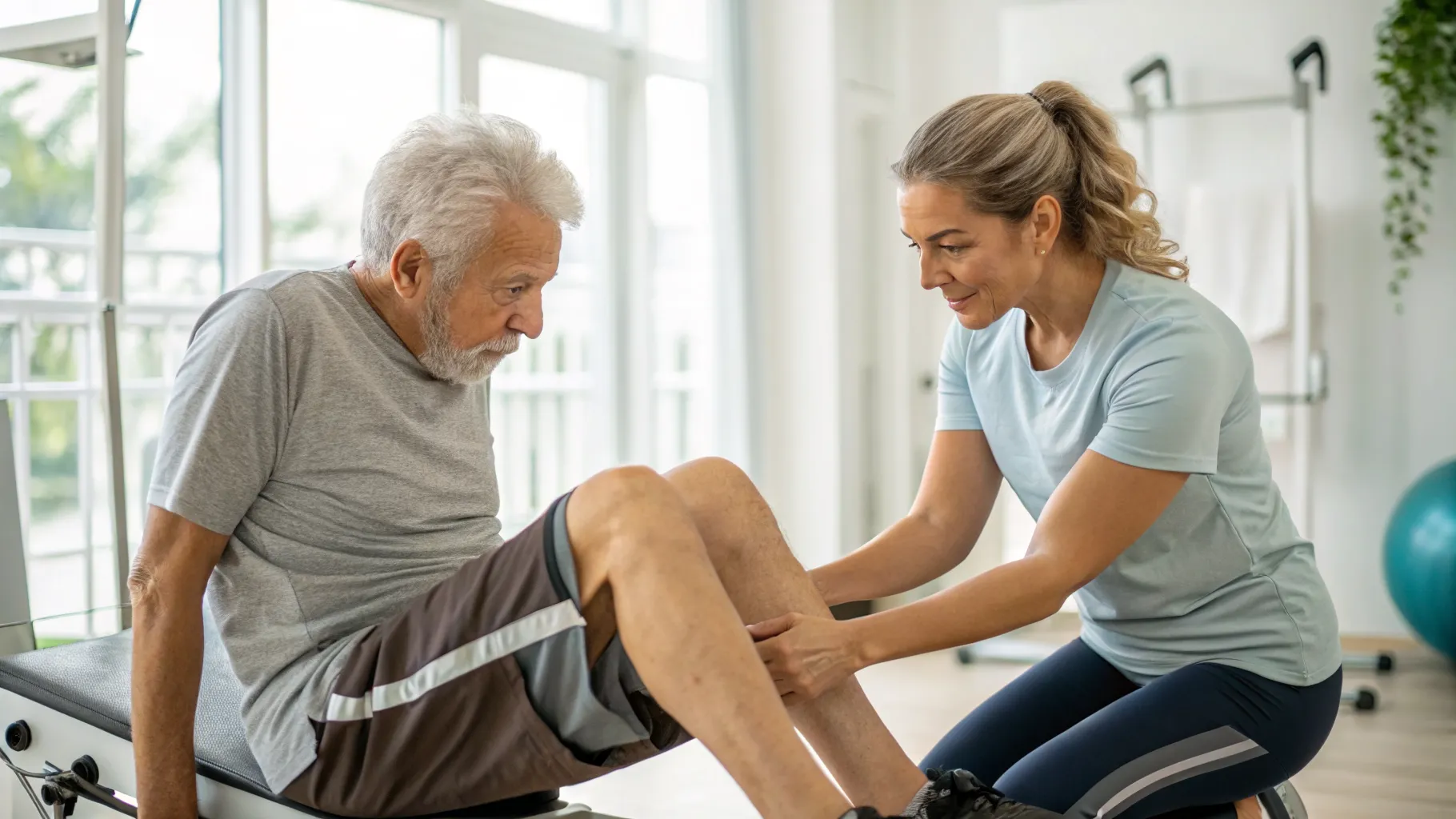
As you transition home, the intensity of your post-surgery rehabilitation will increase. This phase is characterized by a structured physical therapy regimen, which may involve outpatient sessions, home visits, or a combination. The primary goals are to reduce swelling, improve your knee's range of motion, and regain muscle strength around the joint. Expect to perform exercises that focus on bending and straightening your knee, as well as strengthening your quadriceps and hamstring muscles. Walking will become a more significant part of your daily routine, gradually increasing in distance and duration. Managing pain effectively remains important, often requiring a tapering off of prescription medications and transitioning to over-the-counter options. Consistent effort during this critical six-week period is essential for building momentum in your knee replacement recovery timeline after 65.
Intermediate Recovery: Months 2-3 of Knee Replacement Recovery Timeline After 65
During the intermediate recovery phase, individuals typically see substantial improvements in their mobility and pain levels. The objective is to further enhance strength, endurance, and functional abilities. Your physical therapist will introduce more challenging exercises, potentially incorporating stationary bikes, aquatic therapy, or resistance bands. The focus shifts from basic movement to more complex activities, aiming to restore a natural gait and improve balance. Many patients find they can gradually reduce their reliance on assistive devices, such as canes, and begin to return to light daily activities with greater ease. For those navigating their knee replacement recovery timeline after 65, patience is vital, as progress can sometimes feel slower compared to younger patients. However, persistent engagement in your exercise program is crucial for continued gains and preventing stiffness or weakness.
Long-Term Outlook: Months 4-12 and Beyond for Older Adults Recovery
While significant improvements occur within the first few months, full recovery from a total knee arthroplasty can take up to a year, and sometimes even longer, particularly for older adults recovery. This long-term phase is about consolidating gains, optimizing function, and returning to a wide array of activities. Most individuals will have achieved near-normal range of motion and strength by this point. The emphasis shifts to maintaining the improvements through a consistent home exercise program and incorporating regular physical activity into daily life. Activities such as walking, swimming, cycling, and even golf, if approved by your surgeon, can be resumed. It is important to continue protecting the new joint by avoiding high-impact activities and adhering to any specific recommendations from your medical team. Regular follow-up appointments will help monitor the health of your new knee and address any concerns.
Managing Expectations and Potential Challenges in Knee Replacement Recovery
Setting realistic expectations is a cornerstone of a successful knee replacement recovery. While the surgery dramatically improves quality of life for most, it's not uncommon to encounter minor setbacks or varying rates of progress. Swelling, stiffness, and occasional aches can persist for several months. Some individuals may also find certain movements or activities remain challenging. It is crucial to openly communicate any concerns or persistent symptoms with your surgeon and physical therapist. Adherence to your prescribed exercises, maintaining a healthy diet, and managing any other chronic health conditions can significantly influence your recovery trajectory. Understanding that your post-surgery rehabilitation is a personal journey, with its unique pace and challenges, helps foster resilience and commitment towards achieving the best possible outcome.
Comparing Individual Progress in Post-Surgery Rehabilitation
It's important to recognize that the knee replacement recovery timeline after 65 is not a one-size-fits-all experience. While general milestones exist, individual progress in post-surgery rehabilitation can vary significantly based on several factors. Pre-existing health conditions, such as diabetes or obesity, can influence healing rates and complication risks. An individual's commitment to their physical therapy program, including consistency and proper execution of exercises, plays a monumental role. Furthermore, pain tolerance, psychological readiness, and the level of support available at home also contribute to how smoothly and quickly one recovers. Comparing your progress directly to others can be counterproductive; instead, focus on your own incremental improvements and celebrate personal achievements. Regular communication with your healthcare team will ensure your rehabilitation plan remains tailored to your specific needs and challenges, optimizing your unique total knee arthroplasty journey.
Actionable Advice for a Successful Recovery After 65
- Follow Physical Therapy Diligently: Your physical therapy program is the most critical component of your knee replacement recovery. Attend all sessions and meticulously perform your home exercises as instructed. Consistency builds strength and mobility.
- Manage Pain Effectively: Do not hesitate to use pain medication as prescribed, especially during the early stages, to enable participation in therapy. Discuss pain management strategies with your doctor to find what works best for your older adults recovery.
- Maintain a Healthy Lifestyle: A balanced diet rich in protein and vitamins supports healing, while adequate hydration is crucial. Avoid smoking and excessive alcohol, which can impede recovery.
- Communicate with Your Medical Team: Report any unusual pain, swelling, fever, or other concerning symptoms immediately. Open communication ensures timely intervention for any potential issues during your post-surgery rehabilitation.
- Set Realistic Goals: Understand that full recovery takes time. Celebrate small victories and avoid pushing yourself too hard too soon. Gradual progress is key to a sustainable knee replacement recovery timeline after 65.
Frequently Asked Questions
How long is the full knee replacement recovery timeline after 65?
While significant improvements occur within the first 3-6 months, a full recovery, where you feel completely accustomed to your new knee and can resume most desired activities, often takes up to a year or even longer for some individuals, particularly for older adults recovery. Patience and consistent effort are key.
What are common challenges in older adults recovery?
Common challenges for older adults recovery can include managing pre-existing health conditions, slower healing rates, potential for increased fatigue, and a higher risk of complications like falls or infections. Additionally, greater muscle weakness or balance issues pre-surgery can make rehabilitation more challenging.
Can I return to all my previous activities after total knee arthroplasty?
Most individuals can return to many low-impact activities like walking, swimming, cycling, and golf after total knee arthroplasty. High-impact sports such as running, jumping, or contact sports are generally not recommended as they can put excessive stress on the new joint and potentially shorten its lifespan. Always consult your surgeon for specific activity recommendations.
References
- American Academy of Orthopaedic Surgeons (AAOS). Total Knee Replacement.
- Physical Therapy Journal. Rehabilitation Protocols for Total Knee Arthroplasty.
- National Institute of Arthritis and Musculoskeletal and Skin Diseases (NIAMS). Knee Replacement Surgery.
Authored by MyTrendSpot team