Best Concrete Equipment: Essential Tools for Durable Construction
Fast Facts:
- Global concrete market growing steadily.
- Innovation in **concrete equipment** for efficiency and sustainability.
Understanding the Core of Effective Concrete Work
Embarking on any construction project involving concrete necessitates selecting the **best concrete equipment** to ensure structural integrity and operational efficiency. The right tools are paramount, transforming raw materials into durable structures. From large-scale industrial endeavors to intricate residential foundations, understanding the specific functions and benefits of each piece of **concrete equipment** is critical for achieving optimal results and avoiding costly delays or rework.
Essential Categories of Best Concrete Equipment
Powerful Concrete Mixers
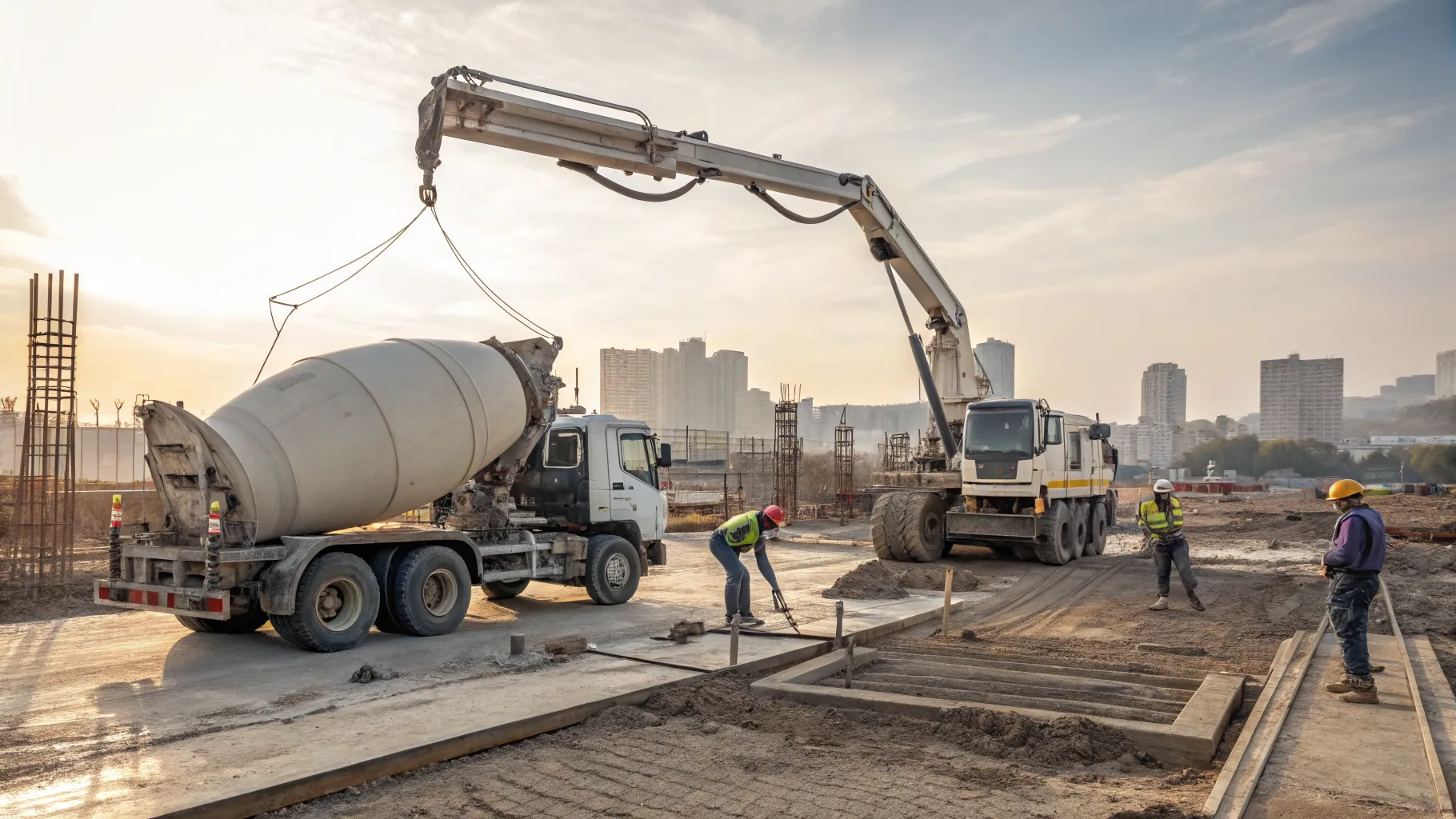
The foundation of any concrete project begins with proper mixing, and **concrete mixers** are indispensable for this task. These machines vary significantly in size and capability, ranging from portable electric models ideal for small batches and home repairs to large, truck-mounted mixers for industrial applications. Key considerations when choosing a mixer include batch capacity, mixing speed, and power source. Drum mixers, for instance, are excellent for general-purpose concrete, while forced-action pan mixers are preferred for specialized mixes like precast concrete or those with aggregate. A well-maintained mixer ensures a homogeneous mix, preventing inconsistencies that can compromise the strength and finish of the final product. Investing in high-quality **concrete mixers** translates directly into superior material preparation and, consequently, more robust construction.
High-Efficiency Concrete Pumps
Once mixed, moving large volumes of concrete to its pouring location efficiently and effectively is crucial. This is where **concrete pumps** become invaluable. These powerful machines streamline the process, especially for elevated structures, hard-to-reach areas, or extensive pours, significantly reducing manual labor and speeding up construction timelines. There are two primary types: boom pumps, which use an articulated robotic arm to place concrete precisely, and line pumps, which utilize flexible hoses. The choice depends on the project's scale, site accessibility, and the required pumping distance. Modern **concrete pumps** are designed for high throughput and reliability, capable of handling various concrete consistencies and aggregates. Their role in large-scale commercial and infrastructure projects cannot be overstated, making them a cornerstone of the **best concrete equipment** lineup.
Indispensable Concrete Vibrators
To achieve maximum strength and durability, freshly poured concrete must be compacted to remove trapped air bubbles and ensure the mix thoroughly surrounds the rebar and forms. This critical step is performed by **concrete vibrators**. Internal vibrators, or pokers, are submerged directly into the wet concrete, creating rapid pulsations that liquefy the mix momentarily, allowing air to escape. External vibrators are clamped to the outside of forms, ideal for precast elements or very stiff mixes. The frequency and amplitude of the vibrator are key factors, influencing how effectively air is expelled. Proper use of **concrete vibrators** prevents honeycombing, improves bond strength with reinforcement, and enhances the overall finish and longevity of the concrete structure. Without effective vibration, even the best concrete mix will underperform, underscoring the importance of this specialized **concrete equipment**.
Finishing and Reinforcement Tools for Superior Concrete
Precision Power Trowels
Achieving a smooth, dense, and level concrete surface is the domain of **power trowels**. These machines are used after the concrete has stiffened sufficiently but is still workable, to float and finish the surface. Available in both walk-behind and ride-on versions, **power trowels** dramatically increase efficiency compared to manual troweling, especially on large slabs. They are equipped with rotating blades that create a hard, wear-resistant finish, crucial for industrial floors, warehouses, and other surfaces requiring high durability. The selection of blade type and speed adjustment allows for various finishes, from a simple float to a mirror-like hard trowel. Mastery of **power trowels** is essential for any professional aiming to deliver top-tier concrete aesthetics and functionality, cementing their place among the **best concrete equipment**.
Efficient Rebar Cutters and Benders
Reinforcement is vital for concrete's tensile strength, and preparing rebar accurately is a critical pre-pour step. **Rebar cutters and benders** are specialized tools that facilitate this process with precision and speed. Manual options exist for small jobs, but for larger projects, hydraulic or electric machines are indispensable. Rebar cutters swiftly slice through steel bars of various diameters, while benders precisely shape them according to structural designs. These tools not only enhance productivity but also ensure safety on the job site by minimizing manual effort and potential injuries. Accurate rebar preparation, enabled by the right **rebar cutters and benders**, directly contributes to the structural integrity and longevity of the concrete element, making them vital companions to other **concrete equipment**.
Selecting the Right Concrete Equipment: A Comparative Analysis
Choosing the **best concrete equipment** requires careful evaluation of project scale, budget, and specific concrete requirements. For instance, a small residential slab might only need a compact electric **concrete mixer** and hand tools for finishing, while a multi-story building project would demand large-capacity truck mixers, powerful **concrete pumps**, and ride-on **power trowels**. Consider the power source (electric, gas, hydraulic) and maintenance requirements for each machine. Durability and manufacturer support are also key factors; reliable brands often offer better longevity and readily available spare parts. Comparing features like pumping capacity, mixing volume, vibration frequency, and blade options will guide contractors towards an optimized equipment fleet that maximizes efficiency and minimizes downtime across different construction phases. The initial investment in superior **concrete equipment** often yields significant returns through improved project quality and faster completion times.
Actionable Advice for Optimizing Concrete Operations
To ensure your concrete projects run smoothly and yield the best results, consider these practical tips:
- **Regular Maintenance:** Implement a strict maintenance schedule for all **concrete equipment**, including routine cleaning, lubrication, and checking for wear and tear on components like hoses for **concrete pumps** or blades for **power trowels**. This prevents unexpected breakdowns and extends the lifespan of your machinery.
- **Operator Training:** Ensure all personnel operating **concrete mixers**, **concrete vibrators**, and other complex equipment are thoroughly trained and certified. Proper operation not only enhances safety but also maximizes the efficiency and effectiveness of each machine.
- **Site Assessment:** Before starting a project, conduct a comprehensive site assessment to determine the specific types and capacities of **concrete equipment** required. Factors like access, elevation, and volume of concrete will dictate your choices for pumps and mixers.
- **Material Quality Control:** While equipment is crucial, the quality of your concrete mix (cement, aggregates, water, admixtures) directly impacts the final product. Regularly test materials to ensure they meet specifications, complementing the performance of your **concrete vibrators** and other tools.
- **Safety Protocols:** Always prioritize safety. Implement and enforce strict safety protocols for operating all **concrete equipment**, including personal protective gear, lockout/tagout procedures, and clear communication on site to prevent accidents.
Frequently Asked Questions
What are the key factors when choosing the **best concrete equipment**?
When selecting **concrete equipment**, key factors include project scale (small vs. large), concrete volume, required finish, site accessibility, budget, and the specific type of concrete mix being used. For example, a large commercial project will require different **concrete pumps** and **concrete mixers** than a residential patio.
How important are **concrete vibrators** for durability?
**Concrete vibrators** are extremely important for durability. They remove trapped air bubbles from wet concrete, which can significantly weaken the structure and lead to surface imperfections like honeycombing. Proper vibration ensures maximum density, improves bond strength with rebar, and ultimately enhances the longevity and strength of the concrete element.
Can **power trowels** be used on all types of concrete surfaces?
**Power trowels** are primarily used on horizontal concrete slabs, such as floors, pavements, and industrial surfaces, to achieve a smooth, dense, and level finish. They are most effective when the concrete has stiffened enough to support the machine but is still workable. They are not typically used for vertical surfaces or highly intricate designs, where hand trowels are more suitable.
References
- Industry standards for concrete mixing and pouring.
- Studies on the impact of vibration on concrete strength.
- Manufacturer specifications for heavy machinery and **concrete equipment**.
- Best practices guides for construction site safety and equipment operation.
- Market analysis reports on construction equipment trends.
Authored by MyTrendSpot team