Understanding Immunotherapy for Bladder Cancer: A Comprehensive Guide
Facts:
- Bladder cancer is the 10th most common cancer globally.
- Innovations in bladder cancer immunotherapy are significantly improving patient prognoses.
Revolutionizing Bladder Cancer Treatment with Immunotherapy
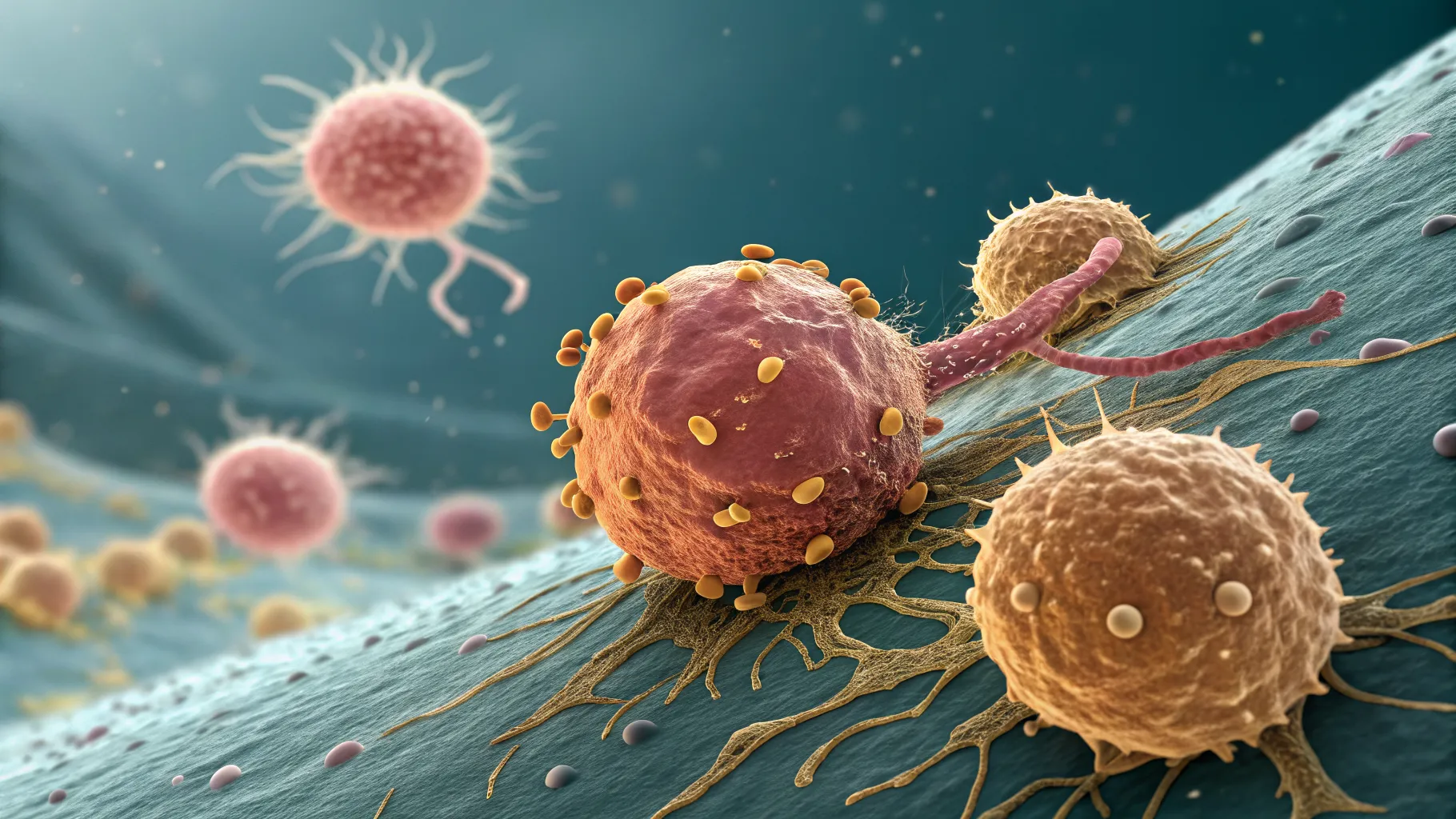
Bladder cancer immunotherapy represents a groundbreaking approach in the fight against this challenging disease, offering new hope for patients, especially those with advanced or recurrent forms. Unlike traditional treatments such as chemotherapy or radiation, immunotherapy harnesses the body's own immune system to identify and destroy cancer cells. This strategy has transformed the landscape of bladder cancer treatment, providing durable responses and improved survival rates for many individuals. The mechanism involves awakening and boosting the natural defenses of the immune system, allowing it to more effectively recognize and target malignant cells.
Key Immunotherapy Approaches for Urothelial Carcinoma
Several distinct immunotherapy approaches are currently employed in managing urothelial carcinoma, the most common type of bladder cancer. Each method targets different aspects of the immune response to achieve anti-tumor effects. Understanding these mechanisms is crucial for patients and clinicians alike when deciding on the most appropriate therapeutic path. The primary goal is to re-engage the immune system's cytotoxic T-cells, which are often suppressed by cancer cells.
Immune Checkpoint Inhibitors: The Frontline Therapy
Immune checkpoint inhibitors (ICIs) are a cornerstone of modern bladder cancer immunotherapy. These drugs block specific proteins, known as checkpoints, on immune cells or cancer cells that normally prevent the immune system from attacking healthy cells. By blocking these checkpoints, ICIs essentially release the 'brakes' on the immune system, allowing it to mount a stronger attack against the cancer. Common targets include PD-1 (Programmed Death-1) and PD-L1 (Programmed Death-Ligand 1), as well as CTLA-4 (Cytotoxic T-Lymphocyte-Associated protein 4). These treatments have demonstrated efficacy across various stages of urothelial carcinoma, from BCG-unresponsive non-muscle-invasive bladder cancer to metastatic disease.
Intravesical Immunotherapy: BCG Treatment
For non-muscle-invasive bladder cancer (NMIBC), Bacillus Calmette-Guérin (BCG) remains a highly effective form of bladder cancer immunotherapy. Administered directly into the bladder via a catheter (intravesical), BCG is a weakened form of tuberculosis bacteria that stimulates a localized immune response. This robust inflammatory reaction attracts immune cells to the bladder, which then target and destroy cancer cells. While effective, some patients may experience recurrence or become unresponsive to BCG, leading to the exploration of other immunotherapy options.
Comparing Immunotherapy with Traditional Bladder Cancer Treatment
The advent of bladder cancer immunotherapy has significantly broadened the spectrum of available bladder cancer treatment options. Historically, patients with advanced bladder cancer primarily relied on chemotherapy, which often came with significant systemic side effects and limited long-term survival rates. While chemotherapy can be effective in reducing tumor burden, its non-specific nature means it also harms healthy rapidly dividing cells. Immunotherapy, particularly immune checkpoint inhibitors, offers a more targeted approach, leading to different toxicity profiles and, in many cases, more durable responses. For patients with metastatic urothelial carcinoma, immunotherapy has become a standard first-line or second-line treatment, often outperforming chemotherapy in terms of overall survival and quality of life for a subset of patients. The decision between immunotherapy, chemotherapy, or a combination often depends on the cancer's stage, genetic markers, and the patient's overall health and previous treatments.
Managing Immunotherapy Side Effects
While generally well-tolerated, immunotherapy side effects can occur because the immune system becomes overactive and may attack healthy tissues. These are often referred to as immune-related adverse events (irAEs) and can affect almost any organ system. Common immunotherapy side effects include fatigue, skin rash, diarrhea, thyroid dysfunction, and inflammation of various organs such as the lungs (pneumonitis) or colon (colitis). It is critical for patients undergoing bladder cancer immunotherapy to be closely monitored for these side effects. Early identification and management, often involving corticosteroids, are key to preventing severe complications and ensuring continued treatment success. Patients should report any new or worsening symptoms immediately to their healthcare team.
Navigating Bladder Cancer Treatment Decisions
Making informed decisions about bladder cancer treatment requires careful consideration of many factors. Patients should engage in open discussions with their oncology team to understand all available options, including traditional therapies and modern bladder cancer immunotherapy. Here's how to approach these critical discussions:
- Understand Your Diagnosis: Ask specific questions about the stage, grade, and molecular characteristics of your urothelial carcinoma, as these details profoundly influence treatment choices.
- Review Treatment Options: Discuss the pros and cons of surgery, chemotherapy, radiation therapy, and various immunotherapy agents like immune checkpoint inhibitors, considering their potential benefits and risks.
- Inquire About Clinical Trials: Explore opportunities to participate in clinical trials that may offer access to the newest forms of bladder cancer immunotherapy and advanced treatment protocols.
- Consider Quality of Life: Discuss how each treatment option might impact your daily life, potential side effects, and long-term prognosis. This includes understanding potential immunotherapy side effects and their management.
- Seek Second Opinions: Do not hesitate to obtain a second medical opinion from another specialist, particularly at a comprehensive cancer center, to ensure all perspectives are considered.
Future Directions in Bladder Cancer Immunotherapy
The field of bladder cancer immunotherapy is rapidly evolving. Researchers are continuously exploring new targets, combination therapies, and predictive biomarkers to enhance treatment efficacy and minimize immunotherapy side effects. Emerging strategies include combining immune checkpoint inhibitors with chemotherapy, radiation, or targeted therapies to achieve synergistic effects. Furthermore, personalized medicine approaches, based on the unique genetic profile of a patient's tumor, are showing promise in identifying which patients are most likely to respond to specific immunotherapy agents. The development of novel immunotherapeutic agents and innovative delivery methods continues to push the boundaries of what is possible in treating urothelial carcinoma.
Frequently Asked Questions
What is the primary goal of bladder cancer immunotherapy?
The primary goal of bladder cancer immunotherapy is to stimulate the patient's own immune system to recognize and destroy bladder cancer cells more effectively, leading to sustained anti-tumor responses and improved outcomes.
Are immune checkpoint inhibitors suitable for all bladder cancer stages?
While immune checkpoint inhibitors are broadly used, their suitability depends on the cancer stage and prior treatments. They are a standard option for metastatic urothelial carcinoma and for certain cases of high-risk non-muscle-invasive bladder cancer that haven't responded to BCG.
How long do patients typically receive bladder cancer immunotherapy?
The duration of bladder cancer immunotherapy varies. Some treatments are given for a fixed period (e.g., one or two years), while others continue as long as the patient benefits and tolerates the treatment, or until disease progression.
References
- National Cancer Institute. Bladder Cancer Treatment (PDQ®)–Patient Version.
- American Cancer Society. Immunotherapy for Bladder Cancer.
- European Association of Urology Guidelines on Muscle-invasive and Metastatic Bladder Cancer.
Authored by MyTrendSpot team