Mastering Your Landscape: A Guide to the Best Landscaping Machinery
Facts:
- The global landscaping equipment market is projected for significant growth.
- Sustainability is a key trend in landscaping technology for commercial and residential users.
Selecting the Right Professional Landscaping Equipment
Choosing the ideal professional landscaping equipment is paramount for efficiency, productivity, and profitability in any landscaping venture. From small residential gardens to large commercial properties, the right machinery can drastically reduce labor time, improve the quality of work, and ensure safety. This comprehensive guide delves into the various categories of landscaping technology, highlighting key considerations and recommending top-tier models that deliver exceptional performance and durability. Understanding the specific needs of your projects, whether it's precision trimming or heavy-duty clearing, will inform your investment in the most suitable outdoor power equipment.
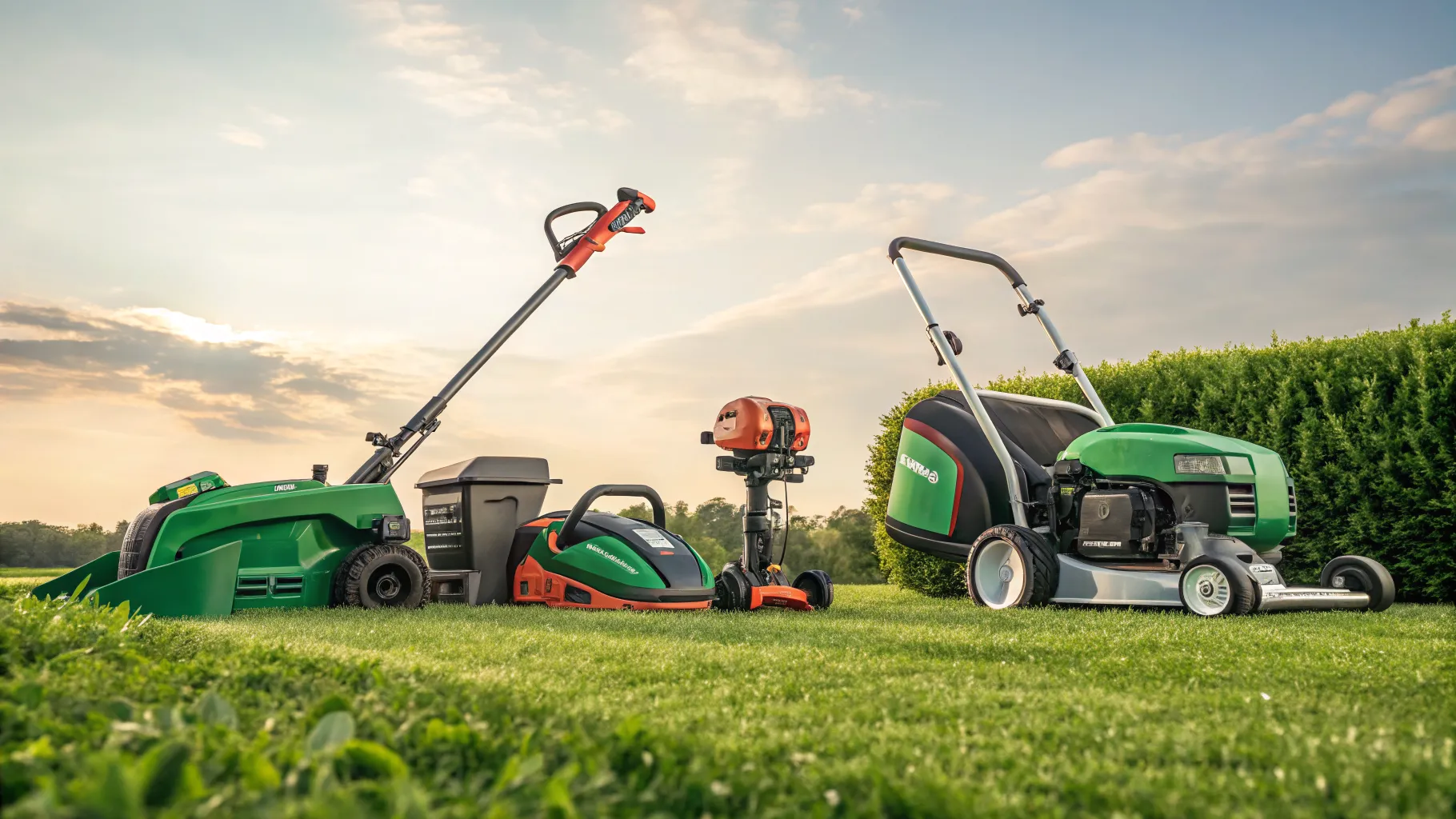
Essential Commercial Lawn Mowers for Efficiency
For any serious landscaping professional, the quality and efficiency of their commercial lawn mowers are non-negotiable. These machines are the backbone of turf maintenance, handling vast areas with precision and speed. Zero-turn mowers, for instance, offer unparalleled maneuverability, allowing operators to navigate around obstacles with ease and significantly cut down on mowing time. Ride-on mowers, on the other hand, provide comfort for extended use on larger, open spaces. When selecting a mower, consider engine power, deck size, fuel efficiency, and available attachments. Investing in durable models from reputable brands ensures longevity and consistent performance, even under rigorous daily use, making them a cornerstone of your professional landscaping equipment.
Zero-Turn Mowers: Precision and Speed
Zero-turn mowers are engineered for agility, boasting individual wheel motors that allow for turns on their own axis, providing unmatched maneuverability. This feature is critical for complex landscapes with numerous trees, flowerbeds, and other obstacles. Their speed and precision lead to faster completion times, allowing crews to cover more ground in a day. Look for models with comfortable seating, robust cutting decks, and easy access for maintenance to maximize operational uptime and ensure these commercial lawn mowers are always ready for action. Engine horsepower and fuel tank capacity are also vital considerations for prolonged operation.
Ride-On Mowers: Comfort and Coverage
Traditional ride-on mowers, while less agile than zero-turns, excel in covering expansive, open lawns efficiently. They offer a comfortable operating position for long hours, reducing operator fatigue. Many models come with advanced features such as cruise control, power steering, and various deck options to suit different grass types and cutting requirements. These machines are a staple for maintaining large estates, sports fields, and public parks, representing a significant component of reliable landscaping technology. Prioritize models with strong warranties and readily available parts for peace of mind.
Powering Through Tasks with Heavy-Duty Garden Tools
Beyond mowers, a comprehensive arsenal of heavy-duty garden tools is indispensable for various landscaping tasks. These tools tackle everything from trimming hedges to clearing stubborn brush, ensuring a pristine finish. High-performance string trimmers, often referred to as weed eaters, are crucial for edging and cutting grass in areas inaccessible to mowers. Powerful leaf blowers simplify autumn cleanup, efficiently moving vast quantities of leaves. Chainsaws are essential for pruning branches and felling small trees, requiring careful selection for power, safety features, and ease of handling. Each piece of outdoor power equipment should be chosen for its reliability and ergonomic design to minimize user strain and maximize productivity.
Trimmers and Edgers: Defining the Landscape
String trimmers and edgers provide the finishing touches to any landscaped area. They clean up edges around driveways, walkways, and garden beds, giving a crisp, professional appearance. Look for models with powerful engines (gas or electric), comfortable handles, and versatile cutting heads. Battery-powered options are gaining popularity for their convenience and reduced noise, offering a sustainable alternative that aligns with modern landscaping technology trends. Durability of the cutting line and ease of reloading are also practical considerations for busy professionals.
Leaf Blowers: Rapid Cleanup Solutions
Whether backpack or handheld, leaf blowers are vital for maintaining tidiness, especially during seasonal changes. They quickly clear leaves, grass clippings, and debris from hard surfaces and lawns. Air volume and speed are key metrics when comparing models. Backpack blowers offer superior power and comfort for prolonged use over large areas, while handheld units are lighter and more maneuverable for smaller tasks. Selecting a blower with a reliable engine and comfortable harness system is crucial for effective and ergonomic operation of this essential outdoor power equipment.
Advanced Landscaping Technology: Innovations for Modern Professionals
The landscaping industry is continually evolving with new landscaping technology designed to enhance efficiency, reduce environmental impact, and improve overall service quality. Innovations include robotic mowers, which can autonomously maintain lawns, GPS-guided equipment for precise turf care, and advanced battery-powered tools that offer comparable power to gas alternatives without emissions or excessive noise. Smart irrigation systems and drone mapping are also becoming more prevalent, allowing for optimized water usage and detailed site analysis. Embracing these technological advancements can give landscaping businesses a competitive edge, streamlining operations and attracting environmentally conscious clients.
Robotic Mowers and Autonomous Systems
Robotic mowers are at the forefront of automated lawn care, offering a hands-free solution for maintaining turf. These intelligent machines can be programmed to cut lawns on a schedule, navigating obstacles and returning to their charging stations automatically. While initially a higher investment, they offer significant long-term savings in labor costs and provide consistent, high-quality cuts. Their integration represents a significant leap in landscaping technology, particularly for commercial properties with predictable maintenance needs. Considering boundary wire setup and security features is important for widespread deployment.
Battery-Powered Outdoor Power Equipment
The shift towards battery-powered outdoor power equipment is undeniable. Modern lithium-ion batteries now offer sufficient power and runtime to handle demanding professional tasks, from chainsaws to hedge trimmers. The benefits include reduced noise pollution, zero emissions, lower operating costs (no fuel), and simplified maintenance. This category of professional landscaping equipment is ideal for noise-sensitive environments and aligns with sustainable practices. When evaluating battery tools, consider battery voltage, amp-hours (Ah) for runtime, and charging times to ensure they meet daily operational demands.
Maintaining Your Outdoor Power Equipment for Longevity
Proper maintenance is crucial for extending the lifespan and ensuring the peak performance of all your outdoor power equipment. Regular cleaning, timely oil changes for gas engines, blade sharpening for mowers and trimmers, and filter replacements are non-negotiable. Following manufacturer guidelines for service intervals can prevent costly breakdowns and ensure your machinery operates efficiently throughout the season. Proper storage during off-seasons, including fuel stabilization and battery care, is also vital. A proactive maintenance schedule for your heavy-duty garden tools not only saves money in repairs but also enhances safety and reliability.
- Regular Cleaning and Inspection: After each use, clean debris from blades, vents, and engine components. Inspect for loose bolts, damaged cords, or worn parts that may need replacement. This simple step prevents buildup that can lead to overheating or decreased performance for all your professional landscaping equipment.
- Fluid and Filter Management: For gasoline-powered tools, regularly check and change engine oil, spark plugs, and air and fuel filters according to the manufacturer's recommendations. Fresh fluids and clean filters ensure optimal engine health and efficiency, directly impacting the longevity of your commercial lawn mowers and other machinery.
- Blade Care: Sharpening and balancing mower blades, chainsaw chains, and hedge trimmer blades is essential for clean cuts and reduced strain on the equipment. Dull blades can tear grass, stress engines, and lead to poor results, underscoring the importance of this aspect of maintaining heavy-duty garden tools.
- Battery and Fuel Storage: For battery-powered tools, store batteries at a partial charge in a cool, dry place. For gasoline equipment, use fuel stabilizer for any fuel stored longer than 30 days, especially for winter storage, to prevent fuel degradation and carburetor issues. Proper storage is key to preserving all your outdoor power equipment.
- Professional Servicing: Even with diligent in-house maintenance, periodic professional servicing is recommended. Trained technicians can identify potential issues early, perform complex adjustments, and ensure all components are operating within specifications, extending the life of your valuable landscaping technology investments.
Frequently Asked Questions
What are the most important pieces of professional landscaping equipment for a new business?
For a new landscaping business, essential professional landscaping equipment includes a reliable commercial lawn mower (preferably a zero-turn for versatility), a powerful string trimmer, a leaf blower, and a sturdy hedge trimmer. These core tools cover the most common maintenance tasks. As the business grows, you can invest in more specialized heavy-duty garden tools and advanced landscaping technology.
How often should I service my outdoor power equipment?
Service intervals for outdoor power equipment vary by manufacturer and usage. Generally, minor maintenance like cleaning and fluid checks should be done frequently, even after each use. More comprehensive servicing, such as spark plug replacement or blade sharpening, should be performed at least once per season or after a specific number of operating hours. Always refer to your equipment's owner's manual for precise recommendations.
Are battery-powered landscaping tools powerful enough for commercial use?
Yes, modern battery-powered outdoor power equipment has significantly advanced and is now powerful enough for many commercial landscaping tasks. High-voltage lithium-ion batteries provide ample power and run time for tools like trimmers, blowers, and even some commercial lawn mowers. They offer benefits such as lower noise, zero emissions, and reduced maintenance, making them an excellent choice for businesses prioritizing sustainability and quiet operation, leveraging current landscaping technology.
References
- Global Market Insights: Landscaping Equipment Market Size.
- Landscape Management Magazine: Trends in Outdoor Power Equipment.
- Professional Grounds Management Society: Best Practices for Equipment Maintenance.
- Green Industry Pros: Innovations in Smart Landscaping Technology.
- Horticulture Industry Standard Review: Sustainable Tools and Practices.
Authored by MyTrendSpot team