Understanding Bladder Cancer Treatment: Comprehensive Therapies for Urothelial Carcinoma
Facts:
- Bladder cancer is the 10th most common cancer globally.
- Improved survival rates for urothelial carcinoma due to early detection and advanced bladder cancer treatment.
Navigating the Spectrum of Bladder Cancer Treatment Options
Receiving a diagnosis of bladder cancer can be a challenging experience, prompting a search for effective solutions. Fortunately, significant advancements in medical science have led to a diverse array of bladder cancer treatment options, tailored to the specific stage and characteristics of the disease. Understanding these various approaches is crucial for patients and their families as they navigate the complexities of managing this condition. From surgical interventions to cutting-edge systemic therapies, the goal of urothelial carcinoma management is to eradicate the cancer, preserve bladder function whenever possible, and improve overall quality of life.
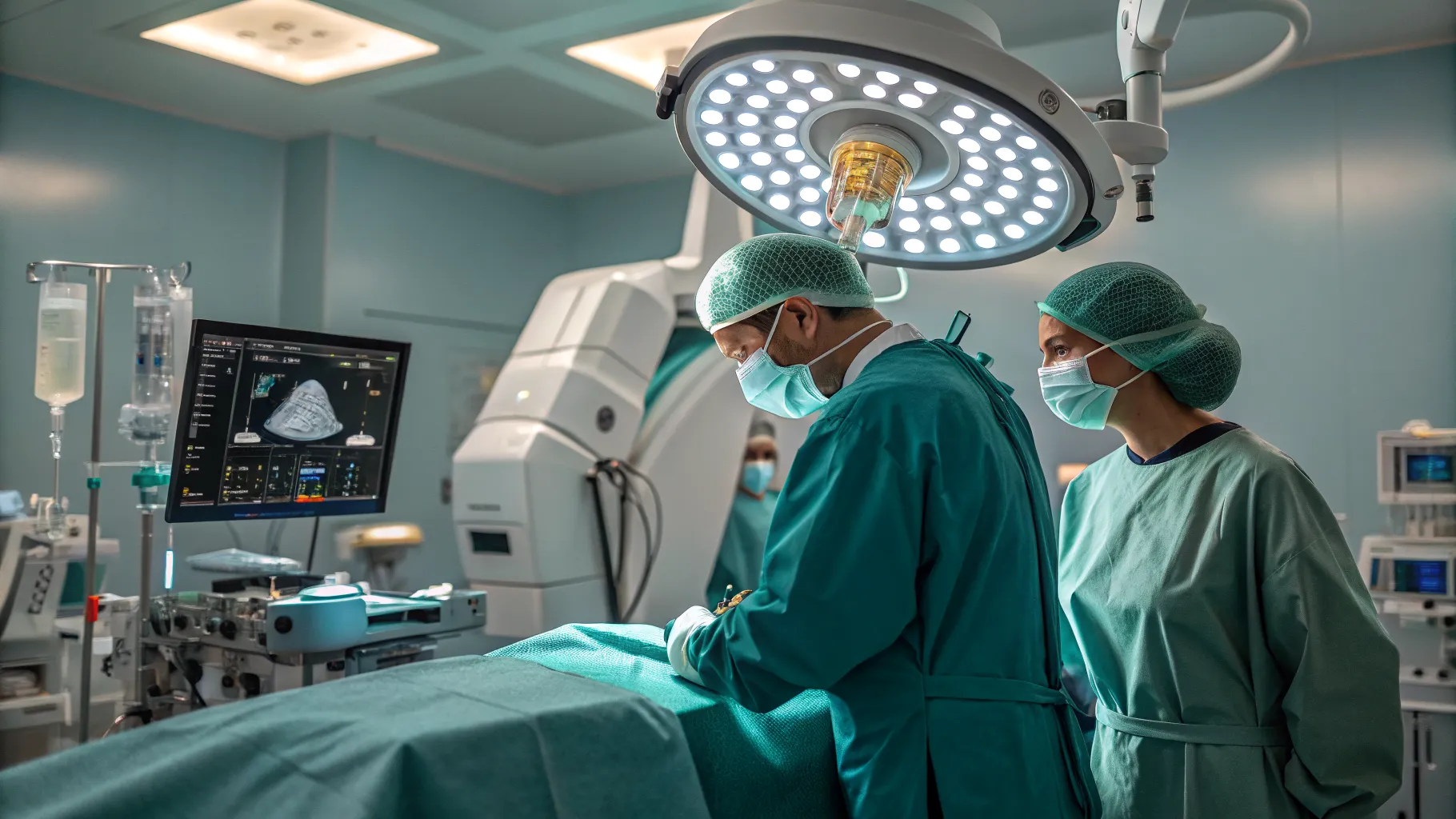
Early Stage Interventions: Intravesical Therapy and TURBT
For individuals diagnosed with non-muscle-invasive bladder cancer treatment, the initial step often involves a procedure called Transurethral Resection of Bladder Tumor (TURBT). This endoscopic surgery allows for the removal of visible tumors from the bladder lining. Following TURBT, patients typically undergo intravesical therapy, where medications are delivered directly into the bladder via a catheter. Common intravesical agents include Bacillus Calmette-Guérin (BCG), an immunostimulant that prompts the body's immune system to attack cancer cells, and various chemotherapy drugs such as mitomycin or gemcitabine. These therapies aim to destroy any residual cancer cells and significantly reduce the risk of recurrence and progression of urothelial carcinoma, playing a pivotal role in preventing the need for more invasive treatments.
Surgical Approaches: Radical Cystectomy and Bladder Preservation
When bladder cancer progresses to invade the muscle layer of the bladder, or in cases of high-risk non-muscle-invasive disease unresponsive to other therapies, `radical cystectomy` often becomes the definitive bladder cancer treatment. This major surgical procedure involves the complete removal of the bladder, along with nearby lymph nodes and, in men, the prostate and seminal vesicles, or in women, the uterus, ovaries, and part of the vagina. Following `radical cystectomy`, urinary diversion procedures, such as an ileal conduit or a neobladder, are created to allow urine to exit the body. While a significant undertaking, `radical cystectomy` offers a high chance of cure for muscle-invasive `urothelial carcinoma`. In select cases, bladder-sparing approaches, involving partial cystectomy combined with radiation and chemotherapy, may be considered for smaller, localized tumors.
Advanced Therapies: Chemotherapy, Radiation, and Immunotherapy
For more advanced or metastatic `urothelial carcinoma`, systemic therapies become the cornerstone of bladder cancer treatment. Chemotherapy, often a combination of platinum-based drugs, is utilized to target cancer cells throughout the body and can be administered before surgery (neoadjuvant) to shrink tumors or after surgery (adjuvant) to eliminate residual cells. Radiation therapy, while less commonly used as a primary standalone treatment for bladder cancer, may be employed in conjunction with chemotherapy for bladder preservation strategies or for palliative care in advanced stages. A revolutionary advancement in recent years is `immunotherapy for bladder cancer`. Checkpoint inhibitors, a type of immunotherapy, unleash the body's immune system to recognize and attack cancer cells, offering new hope and improved outcomes for patients with advanced or previously treated disease, significantly altering the landscape of bladder cancer treatment.
Personalized Medicine in Bladder Cancer Treatment
The field of oncology is rapidly moving towards personalized medicine, and bladder cancer treatment is no exception. Advances in genetic testing and molecular profiling allow oncologists to identify specific mutations or biomarkers within a patient's tumor. This information can guide the selection of targeted therapies, which are drugs designed to interfere with specific molecules involved in cancer growth and progression, often with fewer side effects than traditional chemotherapy. For instance, specific growth factor receptor inhibitors may be effective for certain `urothelial carcinoma` subtypes. This precision approach tailors the `bladder cancer therapies` to the individual's unique genetic makeup, promising more effective and less toxic `bladder cancer treatment` strategies in the future, marking a significant shift from a one-size-fits-all approach.
Supportive Care and Follow-up After Treatment
The journey of bladder cancer treatment extends beyond active therapy. Comprehensive supportive care is crucial for managing treatment-related side effects, improving quality of life, and facilitating recovery. This includes pain management, nutritional support, physical therapy, and psychological counseling. Regular and rigorous follow-up surveillance is also paramount, involving cystoscopies, imaging scans, and urine cytology, to monitor for recurrence. For patients undergoing `radical cystectomy`, managing urinary diversion and adjusting to changes in body image are key aspects of post-treatment care. Lifestyle modifications, such as smoking cessation, maintaining a healthy weight, and managing other chronic conditions, play an important role in long-term health and can positively influence the outcome of `bladder cancer treatment`.
When comparing different bladder cancer treatment modalities, it's essential to consider the stage and grade of the cancer, the patient's overall health, and personal preferences. For instance, non-muscle-invasive bladder cancer often benefits significantly from transurethral resection of bladder tumor (TURBT) followed by `intravesical therapy`, which delivers agents directly to the bladder lining, minimizing systemic side effects. In contrast, muscle-invasive urothelial carcinoma frequently necessitates more aggressive interventions like `radical cystectomy`, a procedure that, while highly effective, requires significant post-operative adjustments. The rise of `immunotherapy for bladder cancer` offers a paradigm shift, particularly for advanced or recurrent cases, by harnessing the body's immune system to fight cancer, often with a different toxicity profile than traditional chemotherapy. Each approach has its unique advantages and challenges, and a multidisciplinary team collaboratively determines the most appropriate strategy for each individual.
Empowering Your Bladder Cancer Treatment Journey
Seek Multiple Opinions:
Consulting with several specialists, including urologists, oncologists, and radiation oncologists, can provide a comprehensive understanding of all available bladder cancer treatment options and ensure you receive the most informed recommendations tailored to your specific situation. This collaborative approach can help clarify complex medical information and address any uncertainties you may have.
Understand Your Diagnosis:
Become knowledgeable about your specific diagnosis, including the stage, grade, and any molecular markers of your `urothelial carcinoma`. This knowledge empowers you to participate actively in shared decision-making with your medical team, allowing for a more personalized and effective bladder cancer treatment plan.
Explore Clinical Trials:
Investigate ongoing clinical trials. These studies often offer access to novel `bladder cancer therapies` that are not yet widely available, especially for advanced or recurrent cases. Discuss with your doctor if a clinical trial might be a suitable option for your bladder cancer treatment.
Prioritize Lifestyle and Support:
Maintain a healthy lifestyle through nutrition, exercise, and stress management, as these can significantly impact your recovery and overall well-being during and after `bladder cancer treatment`. Engage with support groups or mental health professionals to cope with the emotional challenges of cancer.
Frequently Asked Questions
What is the primary treatment for non-muscle-invasive bladder cancer?
The primary treatment for non-muscle-invasive bladder cancer treatment typically involves transurethral resection of bladder tumor (TURBT) to remove the tumor, followed by `intravesical therapy`. This therapy involves instilling medications, such as Bacillus Calmette-Guérin (BCG) or chemotherapy drugs, directly into the bladder to kill remaining cancer cells and prevent recurrence.
When is a radical cystectomy recommended for bladder cancer?
`Radical cystectomy` is generally recommended for muscle-invasive urothelial carcinoma where the cancer has invaded the deeper layers of the bladder wall. It may also be considered for high-risk non-muscle-invasive cases that are unresponsive to `intravesical therapy`, or for recurrent high-grade tumors. This major surgery involves removing the entire bladder and often adjacent lymph nodes and reproductive organs.
How does immunotherapy work in bladder cancer treatment?
`Immunotherapy for bladder cancer` works by enhancing the body's natural immune response to detect and destroy cancer cells. Specifically, checkpoint inhibitors block proteins (like PD-1 or PD-L1) on immune cells or cancer cells that normally prevent the immune system from attacking healthy cells. By blocking these checkpoints, the immune system is unleashed to target and eliminate the cancer, offering a new frontier in `bladder cancer therapies` for advanced cases.
References
- American Cancer Society. Bladder Cancer.
- National Cancer Institute. PDQ Bladder Cancer Treatment.
- European Association of Urology Guidelines on Muscle-invasive and Metastatic Bladder Cancer.
- Urology Care Foundation. Bladder Cancer Information.
- Clinical trials registries (e.g., ClinicalTrials.gov) for emerging bladder cancer treatments.
Authored by MyTrendSpot team