How Penile Traction Devices Improve Health: Enhancing Sexual Wellness
Facts:
- Penile traction devices offer non-surgical solutions.
- Significant interest in penile curvature correction for men globally.
Understanding the Mechanism of Penile Traction for Health Improvement
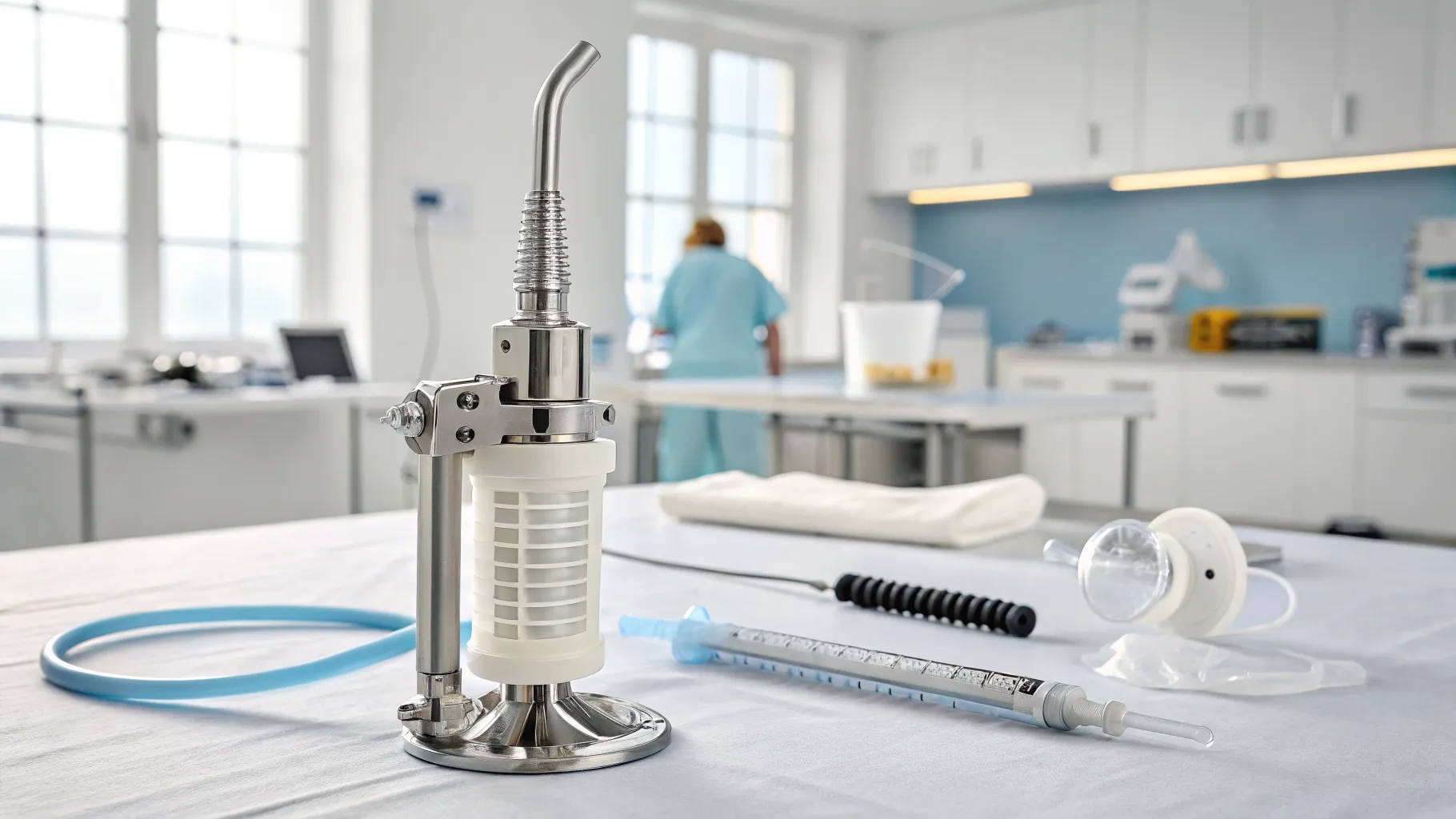
Penile traction devices, often referred to as extenders, represent a significant advancement in men's urological and sexual wellness. These medical tools are designed to apply a gentle, consistent stretching force to the penile shaft. This continuous, low-tension traction stimulates cell division and tissue growth, a process known as mechanotransduction, leading to beneficial changes in penile structure and function. Understanding how these devices work is crucial for anyone considering them for conditions like Peyronie's disease treatment or simply aiming for general penile health enhancement.
Targeting Peyronie's Disease with Traction Therapy
One of the primary applications of penile traction devices is in the treatment of Peyronie's disease. This condition, characterized by fibrous scar tissue (plaque) forming in the penis, leads to painful erections, curvature, shortening, and often, significant psychological distress. Traction therapy works by mechanically stretching the tunica albuginea, the sheath surrounding the erectile tissue, where the plaque resides. This sustained stretching helps to remodel the collagen fibers within the plaque, breaking down the scar tissue and encouraging more organized tissue alignment. Clinical studies have demonstrated that consistent use of these devices can lead to substantial improvements in penile curvature correction, reduce plaque size, and restore lost penile length, making it a cornerstone of non-surgical Peyronie's disease treatment protocols.
Beyond Curvature – Addressing Penile Length and Girth
While often associated with treating Peyronie's, penile traction devices are also utilized by men seeking to enhance penile length gains. The principle here is similar to that of cellular growth stimulated by gentle, prolonged tension. By gradually increasing the traction over time, the body responds by creating new cells and expanding existing tissues, leading to a measurable increase in penile flaccid and erect length. This method avoids the risks associated with surgical options and offers a non-invasive path for men seeking modest but noticeable increases. While girth enhancement is less directly impacted by traction alone, some users report minor improvements due to overall tissue expansion and improved blood flow, contributing to enhanced erectile function improvement and overall sexual wellness.
Improving Erectile Function and Blood Flow
The benefits of penile traction devices extend beyond mere structural changes. Consistent use can contribute significantly to erectile function improvement. The gentle stretching helps to improve the elasticity of the penile tissues, particularly the smooth muscle cells within the corpora cavernosa. Enhanced tissue elasticity can lead to better blood flow into the penis during arousal, a crucial factor for achieving and maintaining firm erections. Furthermore, the remodeling process initiated by traction can help to reverse some of the micro-structural damage that may contribute to erectile dysfunction, especially when linked to conditions like diabetes or vascular issues. Integrating penile traction devices into a broader approach to men's health can therefore yield comprehensive benefits for sexual wellness.
The Role in Rehabilitation Post-Prostatectomy
For men undergoing radical prostatectomy, preserving erectile function and preventing penile shortening are major concerns. Post-surgical penile rehabilitation often includes the use of penile traction devices. The goal is to minimize penile shortening, which can occur due to nerve damage, tissue fibrosis, and disuse atrophy after surgery. By applying gentle, sustained tension, these devices help to maintain tissue elasticity, promote oxygenation, and encourage nerve regeneration, thereby mitigating tissue contracture and preserving penile length. This proactive approach significantly contributes to faster recovery of sexual function and improves the overall quality of life for prostate cancer survivors, underscoring the versatility and importance of penile traction devices in urological care.
Comparison of Traction Devices vs. Other Treatments
When considering options for Peyronie's disease treatment, penile length gains, or erectile function improvement, it's essential to compare penile traction devices with alternative therapies. Surgical interventions, while sometimes necessary for severe cases, carry risks of complications, pain, and recovery time. Oral medications for Peyronie's, such as PDE5 inhibitors, primarily address erectile dysfunction and have limited impact on curvature or plaque reduction directly. Injections, like collagenase clostridium histolyticum (Xiaflex), target plaque breakdown but are invasive and require multiple clinic visits. Traction devices offer a non-invasive, patient-controlled, and cost-effective alternative that can be used independently or in conjunction with other treatments. Their mechanical approach to tissue remodeling makes them uniquely suited for long-term structural changes, positioning them as a highly attractive option for men prioritizing non-surgical paths to improved sexual wellness and overall penile health.
Actionable Advice: Maximizing Benefits of Penile Traction Devices
Consult a Specialist: Always begin with a consultation with a urologist or men's health specialist. They can accurately diagnose conditions like Peyronie's disease and recommend if penile traction devices are appropriate for your specific needs, ensuring safe and effective use for your journey towards sexual wellness.
Adhere to Usage Protocols: Consistency is paramount. Follow the manufacturer's guidelines and your doctor's recommendations for daily wear time and tension adjustments. Intermittent use will yield suboptimal results, especially when aiming for significant penile curvature correction or penile length gains.
Gradual Tension Increase: Start with lower tension and gradually increase it over weeks or months. Overtensioning can cause discomfort or injury. The goal is gentle, prolonged stretch, not immediate, aggressive force. This slow and steady approach is key to safe erectile function improvement.
Maintain Hygiene: Keep the device and the penile area clean to prevent skin irritation or infection. Proper hygiene is essential for long-term adherence and comfort, critical for any effective Peyronie's disease treatment plan.
Combine with Healthy Lifestyle: Support the effects of traction therapy with a healthy lifestyle, including regular exercise, a balanced diet, and avoiding smoking. These factors contribute to overall vascular health and can enhance the efficacy of penile traction devices in improving sexual wellness.
Frequently Asked Questions
How long does it take to see results from penile traction devices?
Results vary depending on the individual and the condition being treated. For Peyronie's disease treatment, noticeable improvements in curvature may be observed within 3-6 months of consistent use. For penile length gains, it typically takes 6-12 months to achieve significant results. Adherence to the prescribed regimen is crucial for faster and more pronounced outcomes.
Are penile traction devices painful to use?
When used correctly, penile traction devices should not cause pain. There may be a sensation of gentle stretching or mild discomfort initially, but this should subside. If pain occurs, it usually indicates that the tension is too high or the device is improperly fitted. It is important to adjust the tension and ensure proper placement to maintain comfort and avoid injury, thereby facilitating sustainable erectile function improvement efforts.
Can penile traction devices completely cure Peyronie's disease?
While penile traction devices can significantly improve symptoms of Peyronie's disease, including reducing curvature and plaque size, they may not result in a complete "cure" for every individual. They are highly effective in achieving substantial penile curvature correction and preventing further progression, often reducing the need for more invasive treatments. Regular follow-ups with a urologist are important to monitor progress.
References
- Journal of Sexual Medicine studies on penile elongation and traction therapy.
- Clinical Urological Association guidelines for Peyronie's disease management.
- Urology journal articles discussing mechanotransduction in penile tissue.
- Research on post-prostatectomy penile rehabilitation protocols.
Authored by MyTrendSpot team