Early symptoms of liver disease you should know: Clinical insights and medical indicators
Early symptoms of liver disease you should know include identifying subtle, often non-specific physiological changes that may indicate impaired hepatic function 1. Because the liver acts as a critical filter for the body, managing metabolism, blood clotting, and toxin removal, its functional decline can manifest in various ways 2. Recognizing these indicators early remains a challenge, as many individuals remain asymptomatic during the initial stages of liver damage 3. Often, persistent fatigue, digestive changes, or minor abdominal discomfort are dismissed as everyday ailments, yet these can serve as essential clues in an overall diagnostic assessment 4.
The Silent Progression of Liver Conditions
Liver disease frequently develops in stages over several years, meaning that significant scarring or inflammation may occur before any noticeable symptoms emerge 1. Because the liver can often compensate for damage, individuals may feel generally well even when the organ is under stress 6. Clinical experts emphasize that waiting for overt symptoms is rarely an effective strategy for managing liver health 1. Regular health screenings, which may include routine blood tests or imaging, are often the only way to detect liver issues before they reach a more advanced stage 4.
Common Indicators of Early Hepatic Stress
While many individuals experience no initial symptoms, those that do appear are often non-specific and easily attributed to other common conditions 1. The following list details symptoms that clinicians often investigate when a patient expresses concerns regarding their liver function:
- Persistent fatigue that does not improve with sufficient rest 5.
- Recurrent nausea or a noticeable decline in appetite 6.
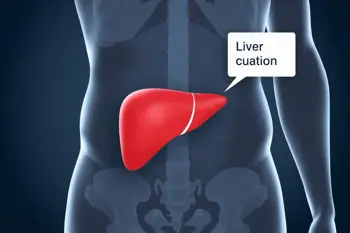
- Discomfort or a dull, aching sensation located under the ribs on the upper-right side of the abdomen 1.
- Unexplained weight loss or loss of muscle strength over time 9.
- General malaise or feeling consistently unwell without a clear external cause 1.
Each of these symptoms requires context; medical professionals analyze these signs alongside a patient's history and potential risk factors, such as metabolic health or lifestyle-related inputs 4. It is important to note that experiencing one of these symptoms does not necessarily confirm liver disease, but their persistence necessitates a professional medical evaluation to rule out underlying dysfunction 8.
Recognizing Progression and Advanced Symptoms
As liver damage progresses, the body may begin to exhibit more distinct physical manifestations due to the organ's struggle to filter toxins or process bile effectively 2. Jaundice is one of the most recognizable signs, appearing as a yellowing of the skin or the whites of the eyes caused by a buildup of bilirubin in the bloodstream 3. This is a clear indicator that the liver is struggling to excrete waste products effectively, and it warrants immediate medical consultation 6.
Other progressive markers include significant changes in waste elimination, such as dark-colored urine or pale, clay-colored stools, both of which indicate potential bile flow obstruction 2. Additionally, patients might experience persistent itching without a rash, easy bruising due to reduced production of clotting proteins, and noticeable fluid accumulation in the abdomen or legs 5. These physical changes are indicators that the liver is significantly compromised and requires urgent clinical oversight to prevent further progression toward failure 5.
When to Seek Emergency Medical Attention
Certain symptoms associated with advanced liver disease, such as cirrhosis or acute failure, indicate a critical situation requiring immediate access to emergency services 1. Red flag symptoms that demand prompt, life-saving intervention include the presence of blood in vomit, unusually dark or tar-like stools, and episodes of intense mental confusion or difficulty remaining awake 1. These signs can indicate life-threatening complications such as gastrointestinal bleeding or hepatic encephalopathy, where toxins accumulate and impair brain function 4.
Additionally, if an individual experiences a sensation of air hunger or an inability to breathe adequately, they must be assessed at an emergency department immediately 1. While these symptoms may occasionally be tied to other medical conditions, their presence in the context of known or suspected liver history is a serious development that cannot wait for standard outpatient appointments 1.
Diagnostic Processes and Clinical Evaluation
Because symptoms are often unreliable for diagnosis, doctors rely on a structured evaluation process to determine the health of the liver 2. This typically begins with a comprehensive physical examination and a review of the patient's medical history, including medication use and potential hereditary factors 12. Standard diagnostic tools often include blood panels that measure liver enzymes and function markers, as these can provide an early view of inflammation or metabolic strain before symptoms manifest 4.
If blood results or initial clinical observations suggest abnormality, imaging studies such as ultrasounds or specialized scans are employed to visualize the structure of the liver 4. In certain clinical instances, a liver biopsy may be performed to assess the extent of scarring or the presence of specific pathologies 12. This systematic approach ensures that treatment, whether it involves lifestyle modifications or medical interventions, is appropriately tailored to the specific type and stage of the underlying liver condition 4.
Sources
- Liver UK: Symptoms of liver disease
- Acibadem Health Point: Liver Disease Symptoms, Causes and Treatment
- Times of India: Early signs of liver disease you shouldn’t ignore
- Acibadem Hospitals Group: Sickness of Liver: Symptoms, Causes, and Care
- Times Now: Signs of Liver Damage, Early Symptoms, Advanced Warning Signs
- Indian Express: Early signs of liver disease: 5 symptoms you should never ignore
- TheHealthSite: Your liver may be silently failing
- Cleveland Clinic: Liver Fibrosis: What It Is, Symptoms, Stages & Treatment
- Medindia: 7 Quiet Warning Signs Your Liver May Not Be Healthy
- Asianet Newsable: Liver Disease: 7 Early Signs That Could Mean Your Liver Is in Trouble
- National Institute of Diabetes and Digestive and Kidney Diseases
- Stanford Health Care: Liver disease evaluation
Authored by MyTrendSpot team