Warning signs of high blood pressure: Analyzing the silent nature of hypertension
High blood pressure, clinically referred to as hypertension, is a pervasive condition characterized by the force of blood pushing against artery walls remaining consistently too high 1. Often described as a silent killer, this condition frequently manifests without any noticeable warning signs, leading many individuals to remain unaware of their status until significant health complications arise 2. Research indicates that an estimated 1.4 billion adults worldwide between the ages of 30 and 79 live with hypertension, yet nearly 44% of those affected remain undiagnosed 3.
The Silent Nature of Hypertension
The primary challenge in managing hypertension lies in its lack of observable indicators. Most individuals with high blood pressure do not feel ill, which often leads to a false sense of security regarding cardiovascular health 4. Because the condition does not typically cause physical pain or discomfort in its early stages, it can silently damage critical organs, including the heart, brain, kidneys, and eyes, over several years 5. Relying on how one feels is not a medically sound strategy for detection, as the absence of symptoms is the clinical norm rather than the exception 6.
Healthcare professionals emphasize that a formal diagnosis is only possible through consistent blood pressure measurements taken over time 7. When blood pressure exceeds the standard thresholds, it places extra stress on the heart to pump blood, eventually stiffening and narrowing the arteries 8. This structural damage occurs incrementally, which explains why many patients are only diagnosed during routine screenings or after the onset of secondary complications like stroke, kidney disease, or heart failure 9.
Understanding Measurement Benchmarks
Blood pressure is recorded using two metrics: systolic pressure (the top number), which reflects the pressure when the heart beats, and diastolic pressure (the bottom number), which represents the pressure when the heart rests between beats 10. A reading of less than 120/80 mmHg is generally considered normal for adults 11. Hypertension is defined by consistent readings at or above 130/80 mmHg, though some global health organizations utilize a threshold of 140/90 mmHg for specific clinical classifications 12.
| Category | Systolic (mm Hg) | Diastolic (mm Hg) |
|---|---|---|
| Normal | Less than 120 | Less than 80 |
| Elevated | 120-129 | Less than 80 |
| Stage 1 Hypertension | 130-139 | 80-89 |
| Stage 2 Hypertension | 140 and above | 90 and above |
It is important to note that blood pressure fluctuates throughout the day based on physical activity, anxiety, and other environmental factors 13. Therefore, doctors typically do not diagnose the condition based on a single high reading. Instead, they look for consistently high values across multiple visits or through authorized home monitoring kits to confirm a diagnosis and determine the necessity of lifestyle interventions or medication 14.
Recognizing Hypertensive Emergencies
While standard hypertension is largely asymptomatic, there are circumstances where blood pressure reaches dangerously high levels, often termed a hypertensive crisis 15. When readings consistently exceed 180/120 mmHg, it may indicate a medical emergency, especially if accompanied by sudden symptoms 16. These warning signs include severe, persistent headaches, confusion, chest pain, difficulty breathing, vision changes, or sudden numbness and weakness 17.
Medical guidance suggests that if a home monitor registers a reading of 180/120 mmHg or higher, it should be rechecked after several minutes of rest 18. If the high numbers persist or if any of the aforementioned urgent symptoms appear, immediate contact with a healthcare professional or emergency service is required 19. While these acute symptoms are rare in the context of chronic, managed hypertension, they represent a critical threshold where potential organ damage becomes a primary concern 20.
Subtle Indicators and Risk Factors
Though not reliable for diagnosis, some individuals with significantly elevated blood pressure have reported subtle sensations. These may include early-morning headaches, dizziness, or light-headedness that occurs when blood flow to the brain is intermittently affected 21. Some individuals report a pounding sensation in the ears, neck, or chest, which may reflect the increased force of blood flow through the arteries 22. These signs are sporadic and do not correlate perfectly with blood pressure levels, further reinforcing the need for regular screenings 23.
Understanding the modifiable risk factors is as important as monitoring the numbers themselves. Factors such as physical inactivity, high salt intake, excessive alcohol consumption, and tobacco use are known to contribute to elevated blood pressure 24. Furthermore, genetics and the aging process play significant roles in the development of hypertension, making it a condition that can affect individuals of various demographics, including younger adults 25. Awareness of these factors can assist individuals in partnering more effectively with their primary care providers for preventative monitoring 26.
The Importance of Consistent Screening
Regular blood pressure screenings are recognized as a standard component of preventive health maintenance. Because hypertension can exist for years without detection, screenings provide the only reliable data to assess cardiovascular risk 27. Those with a family history of the condition, or those living with diabetes or kidney disease, are often advised to monitor their levels with increased frequency to catch potential elevations early 28.
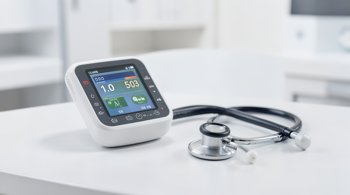
Home monitoring, when done with a validated cuff and proper technique, serves as a valuable tool for tracking blood pressure trends outside of the clinic setting 29. By documenting these trends, patients can provide their physicians with accurate data, which helps in the formulation of a personalized management plan if one is needed 30. The goal of these measures is to detect potential issues before they translate into long-term organ damage or acute health events 31.
Management and Long-term Health
Management of high blood pressure typically focuses on protecting the heart and blood vessels from sustained, excessive pressure. Lifestyle modifications, including heart-healthy diets, increased physical activity, and weight management, remain the primary recommendations for those in the early stages of hypertension 32. For many, these changes effectively bring readings into a healthier range; however, others may require one or more prescribed medications to reach their target goals 33.
Consistency in taking prescribed medications is crucial, even when an individual feels perfectly fine 34. Because hypertension does not resolve simply because a patient feels well, adherence to a medical care plan is essential for preventing the long-term systemic damage that the condition is known to cause 35. Through informed awareness, regular checkups, and adherence to medical guidance, the risks associated with this silent condition can be significantly mitigated 36.
Sources
- Cleveland Clinic: High Blood Pressure (Hypertension)
- National Heart, Lung, and Blood Institute: High Blood Pressure Overview
- World Health Organization: Hypertension Fact Sheet
- Centers for Disease Control and Prevention: About High Blood Pressure
- Merck Manual: High Blood Pressure Quick Facts
- Harvard Health Publishing: High Blood Pressure (Hypertension)
- Scripps Health: What to Do If You Have High Blood Pressure
- Mayo Clinic: High Blood Pressure Symptoms and Causes
- Acibadem Hospitals Group: High Blood Pressure Symptoms
- National Council on Aging: Subtle Symptoms of High Blood Pressure
Authored by MyTrendSpot team