Warning signs of high cholesterol: Clinical clues and what testing reveals
Warning signs of high cholesterol can be difficult to recognize because the condition is usually silent. A person may feel healthy while elevated low-density lipoprotein, or LDL, cholesterol contributes to cholesterol-rich plaque inside the arteries. The most reliable way to identify high cholesterol is a lipid blood test, while visible changes or new symptoms generally indicate either unusually severe levels or complications affecting blood flow. 1
Why high cholesterol is usually silent
Cholesterol is a fatty substance needed to build cell walls and produce certain hormones. The body makes the cholesterol it requires, mainly through the liver, while dietary fat and cholesterol can also contribute to blood lipid levels. LDL is the principal type associated with atherosclerosis, a process in which fatty deposits accumulate in artery walls and can narrow or block vessels supplying the heart and brain. 1
Because plaque can develop gradually without causing a distinct sensation, high cholesterol commonly remains undetected until a routine blood test or a cardiovascular event reveals it. Research summarized by AARP reported that approximately 40 percent of U.S. adults were unaware they had high cholesterol, reinforcing why symptoms alone cannot be used to assess risk. 7
Visible clues around the eyes and skin
Physical signs are uncommon in ordinary high cholesterol but can occur when lipid levels are very high, particularly in inherited disorders such as familial hypercholesterolemia. Xanthelasma consists of yellowish deposits around the eyelids, while xanthomas are fatty deposits that may appear as yellow, waxy bumps beneath the skin or near tendons and joints. These findings do not prove that cholesterol is elevated, because other conditions can produce similar skin changes. 5
- Yellowish eyelid patches may indicate xanthelasma and warrant clinical assessment. 9
- Firm or waxy deposits near joints or tendons may represent xanthomas, especially when they appear at a young age. 5
- A gray or white ring around the edge of the cornea, known as corneal arcus, can be associated with abnormal lipid levels, although it may also occur with aging. 5
Leg symptoms and reduced circulation
Cholesterol-related plaque can affect arteries outside the heart, including vessels supplying the legs. Peripheral artery disease may cause cramping, aching, or pain in the leg muscles during walking that improves with rest. The symptom reflects reduced blood flow rather than a direct sensation caused by cholesterol itself, and it can have causes unrelated to lipid buildup. 10
Persistent coldness, weakness, or changes in the feet may also require medical evaluation when they occur with exertional leg pain or known cardiovascular risk. Peripheral artery disease is clinically important because plaque in one arterial territory can signal a broader pattern of vascular disease. A blood test is still needed to measure cholesterol, while examination and circulation assessment help evaluate possible artery narrowing. 2
Chest pain, breathlessness, and fatigue
Chest discomfort brought on by exertion can occur when coronary arteries have narrowed enough to limit oxygen delivery to the heart. This symptom, commonly called angina, is not a symptom of high cholesterol itself. It is a possible consequence of atherosclerosis and should be considered alongside other causes such as lung, digestive, or musculoskeletal conditions. 9
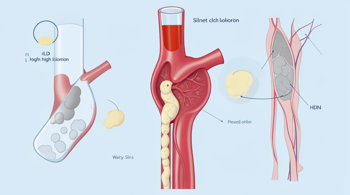
Shortness of breath or unusual fatigue during routine physical activity may also appear when cardiovascular disease reduces the heart’s ability to meet the body’s demands. These symptoms are nonspecific and cannot establish a cholesterol diagnosis. Their significance depends on timing, severity, associated symptoms, medical history, and examination findings, so attributing them solely to cholesterol can delay evaluation of other serious conditions. 10
Stroke-like symptoms require emergency attention
Sudden dizziness, trouble speaking, facial drooping, weakness, or numbness on one side of the body can occur when blood flow to the brain is blocked. Elevated LDL cholesterol can contribute to plaque formation that raises the long-term risk of ischemic stroke, but a stroke-like episode is an emergency complication, not a routine warning sign that confirms high cholesterol. 1
Sudden neurological changes should be treated as urgent regardless of whether a person knows their cholesterol level. Other possible signs include abrupt confusion, vision disturbance, or difficulty walking. Cholesterol testing and cardiovascular risk assessment remain important after emergency care, but they must not replace immediate evaluation of symptoms suggesting interrupted blood flow to the brain. 6
How cholesterol is actually detected
A lipid panel measures total cholesterol, LDL cholesterol, HDL cholesterol, and triglycerides. HDL is commonly described as protective because it transports excess cholesterol toward the liver, while LDL is the main treatment focus because higher levels are linked with plaque formation. Triglycerides are another blood fat and can rise when calorie intake exceeds the body’s immediate needs. 3
Interpreting one number in isolation can be misleading. Overall cardiovascular risk also includes blood pressure, blood sugar, smoking status, kidney disease, diabetes, previous heart attack or stroke, and family history of early heart disease. Treatment goals therefore differ according to medical history and baseline risk. Some people may need additional measurements such as non-HDL cholesterol, apolipoprotein B, or lipoprotein(a). 2
What physical signs should not be overinterpreted
Headache, dizziness, generalized fatigue, or a vague feeling of illness do not reliably identify high cholesterol. Most people with elevated cholesterol have no obvious symptoms, and many visible findings associated with severe lipid disorders have alternative explanations. The presence of an eyelid deposit or corneal ring should prompt assessment rather than self-diagnosis, particularly when the change occurs early in life or accompanies a strong family history. 4
Management can involve heart-healthy eating, physical activity, weight management, avoiding tobacco, and control of blood pressure and diabetes. Medication may be recommended when lifestyle measures do not adequately reduce risk or when a person’s medical history indicates a substantial cardiovascular threat. Ongoing monitoring is part of care because cholesterol levels and treatment needs can change over time. 2
Sources
- Harvard Health, “High Cholesterol (Hypercholesterolemia)”
- NCBI Bookshelf, “Overview: High cholesterol”
- FamilyDoctor.org, “High Cholesterol”
- Prevention, “The Best Way to Tell If Your Cholesterol Is Too High”
- Acibadem Hospitals Group, “Hypercholesterolemia Symptoms and Warning Signs”
- BBC Science Focus, “How to spot high cholesterol early”
- AARP, “Warning Signs of High Cholesterol”
- Cedars-Sinai, “Why Is My Cholesterol High?”
- Times of India, “Before cholesterol reaches the heart, it may leave clues elsewhere”
- National Heart, Lung, and Blood Institute, high cholesterol and peripheral artery disease information
Authored by MyTrendSpot team