Dermatologist Skin Care: An Evidence-Based Consumer Report
Dermatologist skin care generally refers to routines and formulations developed, reviewed, or recommended by dermatology professionals. The central framework is a gentle cleanser, a moisturizer suited to skin type, and daily broad-spectrum sunscreen with SPF 30 or higher, supported by targeted ingredients when a specific concern requires treatment. 1
What a dermatologist-led routine usually contains
The basic routine is intentionally limited because excessive layering can increase irritation and make it difficult to identify which ingredient is causing a reaction. Guidance supplied for this topic places cleanser, moisturizer, and sunscreen at the center of daily care, while retinoids, niacinamide, vitamin C, hyaluronic acid, and exfoliating acids are selected according to concerns such as acne, uneven tone, dryness, or visible aging. 2
Skin type influences product selection. Oily, dry, and combination skin may require different moisturizing textures and cleansing strategies, while sensitive or rosacea-prone skin requires greater caution with new actives. A patch test on the inner arm is commonly suggested before facial use, particularly when introducing a potent ingredient or a formula containing multiple actives. 3
Sunscreen and long-term skin protection
Daily sunscreen is a core preventive measure rather than an optional finishing step. The supplied American Academy of Dermatology reference describes sunscreen use as protection against ultraviolet-related DNA damage and skin cancer risk, and the routine guidance specifies broad-spectrum SPF 30 or higher. Application is relevant across weather conditions because ultraviolet exposure is not limited to visibly sunny days. 4
Dermatologist-developed lines in the supplied research show how sun protection is incorporated into different product systems. Tull MD lists mineral sunscreen formats including SPF 50 fluid, SPF 30 brush-on powder, SPF 50 tinted mineral sunscreen, and SPF 40 antioxidant sunscreen. These examples indicate that format, finish, tint, and reapplication practicality can be evaluated alongside the stated protection level. 5
Retinoids, antioxidants, and hydration ingredients
Retinoids, including over-the-counter retinol and prescription tretinoin, are identified in the research as leading dermatologic ingredients for fine lines, acne, and uneven texture because they increase skin cell turnover. Retinoids can be irritating, so tolerance, frequency, and the surrounding barrier-support routine matter. Clinical results also depend on consistent use rather than a single application or rapid change. 6
Other frequently referenced actives have distinct roles. Niacinamide is associated with oil regulation and barrier improvement, hyaluronic acid functions as a humectant that supports hydration, and vitamin C is described as an antioxidant that helps address environmental stress and uneven tone. Revoderm lists retinol, vitamin C, peptides, and hyaluronic acid among its pharmaceutical-oriented ingredients for acne, sun damage, rosacea, and aging concerns. 7
Exfoliation, sensitivity, and barrier risks
Chemical exfoliants such as alpha-hydroxy acids and beta-hydroxy acids are generally favored in the supplied research over harsh physical scrubs. Salicylic acid, a beta-hydroxy acid, is specifically discussed as an alternative to aggressive mechanical exfoliation. The reason for caution is practical: repeated abrasion or excessive acid use may aggravate sensitivity and undermine the barrier that helps retain moisture. 8
Fragrance and denatured alcohol are additional risk considerations because they may trigger irritation or contact dermatitis in susceptible users. Barrier-focused care is particularly relevant for eczema and reactive skin, where gentle cleansing and moisturization can be more appropriate than stacking several strong treatments. A less-is-more approach also makes it easier to distinguish genuine improvement from temporary irritation. 9
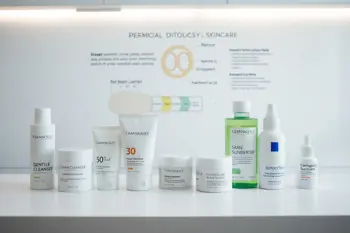
How dermatologist-founded brands position their formulations
The supplied brand research shows several distinct approaches. Dr. Idriss describes its range as science-backed and organized by concerns including dark spots, redness, and barrier support, with products such as a dark-spot serum and a redness-reducing roll-on. Stamina Cosmetics frames its line around stress-resilient skin and identifies dermatologist Marianna Blyumin-Karasik as its founder, linking topical adaptogens with a broader skin and wellness concept. 10
Other examples emphasize medical development or specialist positioning. Advanced Dermatology and Cosmetic Surgery states that its formulations are based on medical expertise and validated science for skin, hair, and scalp concerns. Skinovate identifies clinical-trial experience since 2009, dermatologist testing, and formulations intended for Indian skin and climate. These statements describe development philosophies, but consumers should distinguish a brand’s claims from independently verified clinical evidence for each finished product. 11
What clinical claims can and cannot establish
Clinical language varies substantially across skin care. Elizabeth Arden’s supplied dermatologist-collective page cites a consumer study of 57 participants and a United States clinical test involving 25 women at 12 weeks for specific product claims. Such figures provide context, but they do not automatically establish that every product works for every skin type, condition, age group, or level of sensitivity. Study design, comparator, duration, and outcome measurement remain important. 12
More specialized evidence is also described in the research. A Dermatology Times report says Dr. Rossi DERM MD is built around modulation of the TRPV1 receptor, which is involved in sensitivity and inflammation, and reports statistically significant changes in redness, wrinkling, under-eye darkness, and hydration within four weeks in clinical trials. The report notes that VISIA imaging and publication in the Journal of Drugs in Dermatology supported those findings, but claims still require interpretation within the tested conditions. 13
Consistency, maintenance, and realistic evaluation
Consistency is presented as the most important practical factor because many active ingredients require approximately eight to twelve weeks of continuous use before measurable clinical results appear. A routine should therefore be assessed over a defined period rather than changed every few days. Sunscreen remains ongoing maintenance, while moisturization and gentle cleansing help support tolerability when treatment products are introduced. 14
Product selection also involves market friction. Maelove describes formulations as potent but refined for sensitive skin, lists peptide, vitamin C, scalp, and neck treatments, and reports use by board-certified dermatologists, while Curology describes a process in which a dermatology provider reviews skin goals and prescribes a formula. Neither model removes the need for individualized assessment, especially when acne, rosacea, persistent pigmentation, eczema, or suspected dermatitis fails to improve. 15
Dermatologist skin care is therefore best understood as an evidence-informed process rather than a single product category. The most defensible evaluation considers the concern being treated, the active ingredient and concentration, irritation risk, sunscreen use, clinical evidence, testing population, and the maintenance required to preserve results. Professional assessment is appropriate when symptoms are persistent, painful, rapidly changing, or difficult to distinguish from a medical condition. 16
Sources
- American Academy of Dermatology, Sunscreen FAQs: https://www.aad.org/public/everyday-care/sun-protection/shade-clothing-sunscreen/sunscreen-faqs
- Cleveland Clinic, Retinol: https://my.clevelandclinic.org/health/treatments/23293-retinol
- Mayo Clinic Health System, Skin care tips: https://www.mayoclinichealthsystem.org/hometown-health/speaking-of-health/skin-care-tips-for-a-healthy-glow
- WebMD, Exfoliation: https://www.webmd.com/beauty/what-is-exfoliation
- Tull MD, Medical-Grade Skin Care: https://tullmd.com/
- Healthline, Niacinamide: https://www.healthline.com/health/beauty-skin-care/niacinamide
- Revoderm Pharma, Dermatologist-Developed Skin and Hair Care: https://www.revoderm.com/
- Vogue, Hyaluronic Acid: https://www.vogue.com/article/everything-you-need-to-know-about-hyaluronic-acid
- National Eczema Association, Skin Barrier Repair: https://nationaleczema.org/blog/skin-barrier-how-to-repair/
- Dr. Idriss, Derm-Developed Skin Care: https://dridriss.com/
- Advanced Dermatology, Science and Technology: https://shop.advancedderm.com/pages/science-and-technology
- Elizabeth Arden, Dermatologist Collective: https://www.elizabetharden.com/pages/the-dermatologist-collective
- Dermatology Times, Anthony Rossi MD and Skin Care Science: https://www.dermatologytimes.com/view/anthony-rossi-md-faad-facms-discusses-science-simplicity-and-the-skin
- Research summary supplied for this topic, consistency guidance
- Maelove Skincare, Formulation and Dermatologist Use: https://maelove.com/
- Curology, Meet Dr. Whitney: https://curology.com/blog/dr-whitney/
Authored by MyTrendSpot team