Plus Size Designer Fashion: An Evidence-Based Industry Overview
Plus size designer fashion now spans occasion dresses, bespoke tailoring, contemporary collections, African-inspired ready-to-wear, and adaptive clothing. The documented market combines labels designed specifically for curves with established designers and newer houses treating extended sizing as part of their core design structure.
How the Category Is Defined
Plus size designer fashion is not a single construction method or aesthetic. Scarlett & Jo describes itself as a London-based occasionwear brand offering sizes 12 to 32, with dresses developed around an Advanced Fit Technology process informed by more than ten years of feedback from women. Its categories include wedding guest, maxi, midi, petite, and broader occasion dresses. 1
Other labels use different models. Sacha Drake describes a design origin rooted in the founder’s difficulty finding flattering clothing as a statuesque size 14, while Viva Curves Couture focuses on custom tailoring, personal styling, and bespoke costume design for plus-size and mature women. These examples show that designer fashion may mean engineered ready-to-wear, made-to-measure garments, or one-to-one couture services. 25
Contemporary Design and Representation
Contemporary plus size fashion remains comparatively underrepresented between fast fashion and luxury, according to an analysis of Hilary MacMillan’s FW25 collection. The article identifies the Canadian designer as a Toronto-based creator whose brand combines polished, playful design with sizing from XS through 4X. It also argues that contemporary fashion occupies a space where quality, intention, and directional design meet. 3
Representation is also visible in runway casting and brand identity. The Observer reported that Sinéad O’Dwyer casts plus-size, pregnant, and disabled models, while her label sells garments up to size 24. The same report cited a Vogue inclusivity figure showing models above size 8 represented almost 5% of catwalk models in an earlier period, falling to 2% over the following two years. 7
Design Approaches for Different Bodies
Fit-focused brands commonly begin with body proportions rather than simply enlarging a smaller sample. Scarlett & Jo states that its dresses are engineered for curves, and its site separates shopping guidance by occasion and body shape. Sacha Drake similarly presents its garments as versatile pieces intended to flatter different body types. Such approaches indicate that grading, proportion, neckline balance, sleeve placement, and garment comfort are central design variables. 12
Adaptive design adds another layer of technical consideration. Leah Graifer’s Lea Lea Love Clothing developed from her experience as a fit model and from recurring problems including trousers that were too long, tops that did not accommodate fuller busts, and corset styles lacking suitable structure and proportions. The brand’s stated premise is that comfort, fit, and personal style should not be treated as mutually exclusive. 10
Bespoke, Cultural, and Occasionwear Models
Bespoke services are particularly significant where standard size charts cannot capture individual proportions. Viva Curves Couture describes custom-made clothing ranging from everyday garments to occasionwear, with styling sessions addressing silhouettes, colors, and fabrics. Its stated design principles include eco-friendly fabrics, mindful design, and timeless construction, although customers would still need to verify fabric composition, lead times, alteration terms, and measurement procedures directly with any atelier. 5
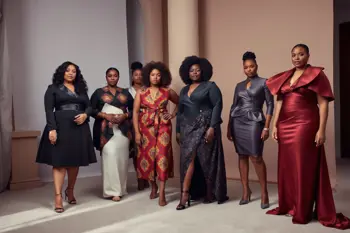
Cultural design is another distinct segment. Yeralds Signature presents African-inspired ready-to-wear for plus-size women, using bold prints, vibrant colors, and modern silhouettes. Its listed garments include Adire, Ankara, Aso Oke, kaftans, abayas, midi dresses, and jumpsuits. Apella, founded by Ritu Khanduja, describes an Indian made-to-measure approach covering women, men, and children, including western wear, ethnic wear, trousers, and wedding kurta pajama. 64
Luxury Positioning and Price Context
The supplied market analysis places designer plus-size garments broadly from $500 to more than $3,000 for runway pieces, depending on materials and brand prestige. That range should be treated as category context rather than a universal price schedule. Bespoke work may involve separate charges for design consultation, fittings, alterations, specialist textiles, and international delivery, while ready-to-wear pricing reflects production scale and the complexity of pattern development. 11
11 Honoré illustrates changing luxury-market structures. WWD reported that Full Beauty was relaunching the label under the Eloquii umbrella as a luxury house for sizes 10 to 28, with a 15-piece evening capsule priced from $229 to $799. The reported collection used silk, chiffon, crepe, ostrich feathers, fluid draping, sculptural silhouettes, and architectural construction. These details distinguish premium positioning from ordinary extended-size basics. 9
Market Friction and Consumer Assessment
Access remains uneven even as more designers address larger bodies. The research identifies extended-size filters and curated edits at major luxury retailers, while also noting that many luxury houses still stop below the full range of plus-size consumers. Brands such as Marina Rinaldi, Tanya Taylor, Christian Siriano, Universal Standard, and Eileen Fisher are cited in the market overview as examples connected with extended sizing, inclusivity, collaborations, or sustainability. 12
Consumers assessing a designer garment should distinguish a stated size range from actual fit, because the supplied material identifies no universal regulatory body or certification governing inclusive sizing. Relevant checks include the brand’s measurement chart, fabric behavior, construction details, alteration policy, return conditions, and whether made-to-measure appointments are available. Inventory can also change, and documented brand pages show that some named garments are marked out of stock, making availability separate from design intent. 6
What the Evidence Indicates
The strongest documented pattern is a shift from treating plus sizing as an afterthought toward designing around curves, individual measurements, and varied lifestyles. Scarlett & Jo uses fit engineering, Apella uses made-to-measure production, Viva Curves Couture uses bespoke tailoring, and Lea Lea Love addresses adaptive proportions. These models differ operationally, but each responds to limitations in conventional sample-size development. 14510
The market nevertheless retains structural friction: premium options remain scarce, sizing is inconsistent between labels, specialist construction can increase prices, and runway representation has not moved consistently upward. Cheri Milaney’s brand history offers another documented example of featuring women of different shapes, sizes, and backgrounds, while its Italian collections emphasize luxury fabrics and softly tailored silhouettes. Together, the evidence suggests progress, but not uniform access or standardized fit. 837
Sources
- Scarlett & Jo
- Sacha Drake
- The Curvy Fashionista
- Apella and Ritu Khanduja
- Viva Curves Couture
- Yeralds Signature
- The Observer
- Cheri Milaney
- WWD
- PMM Today
- Provided market analysis on plus size luxury pricing
- Provided market analysis citing Net-a-Porter, Saks Fifth Avenue, Marina Rinaldi, Tanya Taylor, Christian Siriano, Universal Standard, and Eileen Fisher
Authored by MyTrendSpot team