Analyzing the Landscape of Low rent studio apartments for seniors: Programs, Costs, and Market Realities
Understanding Subsidized Programs and Income Limits
For aging individuals seeking low rent studio apartments for seniors, finding secure, affordable, and manageable housing is a critical retirement priority. Demographic data indicates that more than 17 million Americans aged 65 and older are economically insecure, living at or below 200% of the federal poverty level 1. To address this rising vulnerability, federal initiatives like the HUD Section 202 program are designed to provide supportive, income-based housing specifically for very low-income seniors aged 62 or older 2. These programs help ensure that housing costs remain manageable as healthcare and daily expenses rise.
Under standard federal guidelines, tenant rental payments in these specialized developments are capped at approximately 30% of the household's adjusted monthly gross income 3. Eligibility is tied directly to Area Median Income thresholds, with many programs targeting senior households earning no more than 50% or 60% of the local median income 4. This income-targeting structure prevents older adults on fixed incomes from facing severe rent burdens, allowing them to allocate limited financial resources toward essential living costs.
Federal Assistance Frameworks and Voucher Integration
The Section 8 Housing Choice Voucher program serves as another vital mechanism for low-income seniors seeking affordable living. This federal program allows eligible participants to choose privately owned apartments, provided the property owner agrees to accept the voucher as partial payment 5. Local Public Housing Authorities administer these vouchers, ensuring that the selected housing units comply with basic health and safety standards 6. However, waitlists for these vouchers are frequently closed, often requiring seniors to wait between one and three years 1.
For seniors living in rural areas, alternative USDA programs offer specialized support. The USDA Rural Development Section 515 program provides competitive financing to construct affordable rental developments specifically for very low, low, and moderate-income seniors 7. Additionally, Section 521 offers rental assistance inside these properties, capping the household's rent contribution at a manageable percentage of their adjusted income 8. These rural housing initiatives are critical for preventing displacement in smaller, non-metropolitan communities.
Regional Cost Variables and Layout Options
Market-rate senior apartments often carry substantial costs, with average national monthly rental rates ranging from $3,395 to $12,560 depending on the level of amenities and provider 9. In contrast, subsidized studio apartments offer a much more sustainable alternative. For example, some affordable senior housing communities, such as The Glendale in Phoenix, Arizona, feature modern layouts with rents starting between $974 and $999 per month 10. The following table highlights regional variations in layout, cost structures, and features:
| Location | Facility Name | Approximate Rent | Unit Size & Features |
|---|---|---|---|
| Citrus Heights, CA | Rindle Ranch Senior Apartments | $500 Deposit (Variable Rent) | 506 Sq Ft Studio, Pet Friendly 11 |
| Bothell, WA | Samma Senior Apartments | Income Restricted (60% AMI) | 371 Sq Ft Studio, Media Room 4 |
| Renton, WA | Spencer Court Senior Living | $1,297 per month | 462 Sq Ft Studio, Modern Kitchen 12 |
| Las Vegas, NV | Stewart Pines II | $981 per month (2-Bed) | 55+ Independent Living, Computer Lab 13 |
These diverse data points indicate that rental costs are heavily influenced by local economic conditions, state funding, and municipal housing policies. While coastal metropolitan areas in Washington and California tend to feature higher base rents for senior studios, the integration of local housing tax credits and utility allowances helps bridge the affordability gap. Understanding these regional differences is critical for seniors considering relocating to lower-cost regions during retirement.
Structural Layouts and On-Site Supportive Amenities
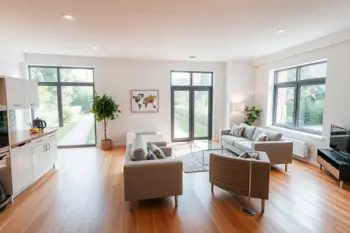
Modern studio apartments for seniors are engineered to maximize space and physical safety. In communities like Midtowne Senior Living in Midlothian, Texas, senior studio apartments feature open-concept, easy-to-navigate layouts that minimize trip hazards and ease maintenance burdens 14. These well-appointed spaces often include dedicated kitchenettes, ample closet space, and integrated safety fixtures. By choosing right-sized living environments, older adults can maintain their independence without the physical strain of maintaining a large family home.
Supportive on-site amenities further enhance the quality of life within affordable senior communities. Typical properties include coin-operated laundry facilities, secure intercom systems, and professionally landscaped outdoor walking paths, as demonstrated by St. Sharbel Village Phase I 3. Some comprehensive developments even feature on-campus retail operations, including grocery stores, beauty shops, and gift shops, which are highly beneficial for residents with limited mobility, as observed at the B’nai B’rith Phase I community 15.
Regulatory Compliance and Application Procedures
Accessing low-rent senior housing requires navigating a structured regulatory verification process. For federally funded properties such as Galena Park Terrace, applicants must formally prove they meet age thresholds, which are typically capped at 62 years of age or older, though some 55-and-over communities also exist 16. Furthermore, individuals under 62 who have certified physical disabilities may also qualify for residency in complexes designed with ADA-compliant mobility-accessible features.
The application process involves extensive documentation to verify household income against federal limits. Managing organizations, such as Villa Ridge Phase I, require detailed submissions of tax returns, bank statements, and official Social Security benefit letters 17. Property managers utilize this verified financial data to calculate the adjusted gross income of all household members, establishing the final rent rate. Prospective residents must also undergo standard background and credit checks during the leasing phase.
Systemic Challenges, Market Friction, and Consumer Safety
Despite the clear benefits of low-rent senior apartments, the market possesses significant friction points. The primary limitation is the acute shortage of available affordable housing, resulting in multi-year waiting lists that leave vulnerable seniors in unstable living conditions 1. Furthermore, older adults must carefully analyze what is covered in their lease, as utility inclusions vary. While some properties package electricity, gas, and water into the base rent, others treat these as separate, fluctuating expenses.
Consumer safety and vigilance are also critical when navigating online rental databases. Prospective tenants should verify all property listings directly with verified management companies, such as Indigo Real Estate Services, to protect themselves from rising rental scams 4. Seniors should never submit deposits or personal information without first verifying the physical existence of the property, confirming the specific pet policies, and reviewing any associated parking or community service fees.
Sources
- Senioridy Senior Living Directory
- National Council on Aging
- RCPMCO St. Sharbel Village Phase I
- Rentberry Samma Senior
- U.S. Department of Housing and Urban Development
- USA.gov
- U.S. Department of Agriculture Section 515
- USDA Rural Development Section 521
- SeniorLiving.org
- Apartment List - The Glendale
- Rentberry - Citrus Heights
- Rentberry - Spencer Court
- Nevada HAND - Stewart Pines II
- Civitas Senior Living - Midtowne
- RCPMCO - B'nai B'rith Phase I
- RCPMCO - Galena Park Terrace
- RCPMCO - Villa Ridge I
Authored by MyTrendSpot team