Early symptoms of celiac disease you should know: A clinical guide to identification and diagnosis
Understanding the Nature of Celiac Disease
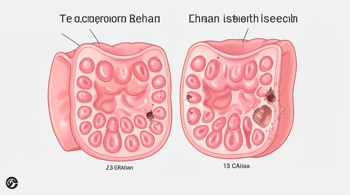
Celiac disease is an autoimmune condition characterized by an abnormal immune response to gluten, a protein found in wheat, barley, and rye 2. When individuals with this condition consume gluten, the immune system triggers inflammation that damages the lining of the small intestine, specifically targeting tiny, finger-like structures known as villi 3. These structures are essential for the absorption of nutrients, including proteins, fats, vitamins, and minerals 4. When damage occurs, the resulting malabsorption can lead to systemic health complications and chronic nutritional deficiencies 5.
Because the condition acts as a medical chameleon, it often overlaps with other digestive disorders such as irritable bowel syndrome or lactose intolerance, which frequently leads to significant diagnostic delays 8. Research indicates that some individuals may experience subtle laboratory abnormalities or mild gastrointestinal symptoms up to seven years before receiving a clinical diagnosis 7. Recognizing these early signs is a critical step in facilitating medical intervention and preventing long-term complications like osteoporosis or unintended weight loss 7.
Common Digestive Symptoms
Digestive discomfort is often the first indicator that prompts individuals to seek medical advice. These symptoms arise directly from the inflammation and subsequent malabsorption occurring in the intestinal tract 9. While these issues are more frequently observed in children, they remain prevalent among adults as well 1. Common gastrointestinal symptoms include chronic diarrhea, persistent bloating, excessive gas, and recurring abdominal pain 2. Nausea, vomiting, and constipation may also occur depending on the individual's unique presentation 2.
The severity of these symptoms can fluctuate, causing them to come and go, which may lead some individuals to overlook their significance 1. In instances where nutrient absorption is severely compromised, individuals may notice oily, foul-smelling stools, a sign that the body is failing to process dietary fats properly 4. Such digestive disturbances are often the primary driver for patients to consult with a gastroenterologist for further clinical evaluation 9.
Systemic and Non-Digestive Indicators
More than half of adults diagnosed with celiac disease present with symptoms that occur outside of the digestive system 2. These systemic signs are often the result of long-term nutrient deficiencies caused by an impaired intestinal lining 5. One of the most frequently reported non-digestive symptoms is chronic fatigue or a profound sense of tiredness that does not improve with rest 1. Anemia, particularly iron-deficiency anemia, is another hallmark finding, often manifesting as shortness of breath, dizziness, cold extremities, or heart palpitations 8.
Neurological and musculoskeletal symptoms are also clinically significant indicators of the disease. Patients may report persistent headaches, cognitive impairment sometimes referred to as brain fog, or symptoms of peripheral neuropathy, such as tingling and numbness in the hands and feet 2. Additionally, joint and bone pain are common, reflecting a systemic impact on skeletal health that can eventually lead to decreased bone density, or osteoporosis, if the disease remains unmanaged over an extended period 2.
Manifestations in Children
In pediatric populations, the consequences of nutrient malabsorption can be particularly severe, as these nutrients are essential for normal growth and development 1. Children may exhibit failure to thrive, a condition defined by weight gain that is significantly lower than what is expected for their chronological age 1. Other physical signs include slowed overall growth, short stature, and delayed puberty, which can be indicators that the body is not receiving the necessary fuel for physiological maturation 1.
| Indicator | Clinical Observation |
|---|---|
| Growth | Slowed growth or short stature |
| Development | Delayed puberty |
| Dental | Permanent tooth enamel defects |
| Behavioral | Irritability or mood changes |
| Weight | Failure to thrive or weight loss |
Beyond physical growth markers, children may display behavioral changes, such as becoming unusually annoyed or impatient 1. Dental health is another area where practitioners may spot early signs; specific defects in the permanent tooth enamel can point toward underlying malabsorption issues that began during tooth development 1.
Skin and Oral Symptomatology
Celiac disease can manifest through visible symptoms in the skin and mouth, often providing clinical clues before digestive issues are identified 1. Dermatitis herpetiformis is a specific, itchy, blistering skin rash that is strongly associated with celiac disease 1. While it is a dermatological condition, it is effectively an external manifestation of the immune system's reaction to ingested gluten 2. Clinical examination of the skin for such rashes is a standard part of the diagnostic process for suspected cases 8.
Oral health also serves as an important diagnostic window. Some patients experience recurrent canker sores, a dry mouth, or a distinct appearance of the tongue, which may be described as red, smooth, and shiny 1. These oral symptoms, much like the skin conditions, are frequently the result of underlying nutritional deficiencies, including the lack of B vitamins and iron, which are poorly absorbed when the small intestine is inflamed 1.
The Importance of Professional Diagnosis
Correct identification of celiac disease requires formal medical testing rather than an assumption based on symptoms alone 8. Because many of the symptoms mimic other gastrointestinal disorders, physicians typically rely on a combination of medical history, physical examinations, blood tests, and, when necessary, biopsies of the small intestine 8. It is vital that patients do not initiate a gluten-free diet prior to testing 8. Removing gluten early can cause test results to appear falsely negative, as the immune response may subside in the absence of the trigger protein 8.
Once a diagnosis is confirmed, the primary management strategy involves a lifelong, strict gluten-free diet, which allows the intestinal lining to heal and often results in the resolution or significant improvement of symptoms 2. However, not all symptoms, such as short stature or enamel defects in older individuals, are reversible once the damage is established, reinforcing the clinical importance of early recognition and medical consultation 1.
Sources
- National Institute of Diabetes and Digestive and Kidney Diseases: https://www.niddk.nih.gov/health-information/digestive-diseases/celiac-disease/symptoms-causes
- Mayo Clinic: https://www.mayoclinic.org/diseases-conditions/celiac-disease/symptoms-causes/syc-20352220
- Harvard Health: https://www.health.harvard.edu/digestive-health/celiac-disease-non-tropical-sprue-a-to-z
- MSD Manual: https://www.msdmanuals.com/home/quick-facts-digestive-disorders/malabsorption/celiac-disease
- Cleveland Clinic: https://my.clevelandclinic.org/health/diseases/14240-celiac-disease
- Harvard Health: https://www.health.harvard.edu/diseases-and-conditions/when-celiac-disease-strikes-later-in-life
- Dr. Schär Institute: https://www.drschaer-institute.com/en-US/learn/studies-and-research/celiac-disease-early-signs
- Canadian Digestive Health Foundation: https://cdhf.ca/en/uncovering-the-hidden-symptoms-of-celiac-disease-what-you-need-to-know/
- Suburban Gastroenterology: https://www.sgihealth.com/celiac-disease-symptoms-you-shouldnt-ignore/
Authored by MyTrendSpot team