End-of-life care costs in the United States 2026: A data-based guide to medical, hospice, and long-term-care expenses
The average cost of dying in America has been estimated at $195,501 when long-term elderly care and funeral expenses are considered together. That figure is different from estimates focused only on final-year medical bills, which MoneyGeek places at approximately $88,300 when $80,000 in medical expenses is combined with an $8,300 burial with viewing. 1 2
Why estimates differ so widely
There is no single official nationwide price for end-of-life care in 2026. Costs depend on whether a person receives hospital treatment, hospice services, nursing-home care, assisted living, paid home care, or some combination of these settings. The $195,501 estimate includes approximately $187,775 in elderly-care costs, making it substantially broader than calculations limited to the final year of medical treatment. 1
Medical spending also varies according to age, illness severity, insurance status, and place of death. A 2026 JAMA Network Open study of 313,649 people who died between 2016 and 2024 found unadjusted median health-care costs of $50,599 during the final year, with an interquartile range from $21,258 to $109,121. Adjusted median costs were highest among people aged 18 or younger and lowest among those aged 75 or older. 3
Final-year medical and hospital expenses
Hospital and intensive-care treatment can generate substantial costs through procedures, specialist consultations, medications, testing, and extended inpatient stays. A general 2026 cost reference places hospital inpatient care at roughly $20,000 to more than $60,000, although actual bills depend on treatment intensity and coverage. These figures describe total care categories, not a guaranteed household payment. 4
End-of-life spending is concentrated among people with serious underlying illnesses, so high costs do not necessarily mean that death itself caused every expense. Medicare beneficiaries in their last year of life account for roughly one-quarter of Medicare spending, according to summaries of Medicare utilization research. The concentration reflects both intensive treatment near death and the chronic conditions that precede it. 5 6
Hospice coverage and its limits
Medicare hospice generally requires physicians to certify that a beneficiary is terminally ill with a life expectancy of six months or less if the illness follows its expected course. The patient must elect hospice and generally choose comfort-focused care for the terminal condition rather than continuing curative treatment for that condition. 7
The Medicare hospice benefit covers hospice physicians and nurses, counseling, medical equipment, supplies, symptom-management drugs, short-term inpatient care, and respite care. It generally does not cover room and board when a person receives hospice at home or in a nursing facility. Medicare also includes a 5% coinsurance amount for prescription drugs used for symptom control and a 5% coinsurance amount for each day of inpatient respite care. 7
Long-term care is often the largest exposure
Long-term care can become the largest expense when a person needs help with bathing, eating, mobility, medication management, or other daily activities. Medicare generally does not operate as comprehensive long-term-care insurance. Medicaid covers nursing-home costs for many eligible people, but qualification depends on income, assets, and state rules. 1 8
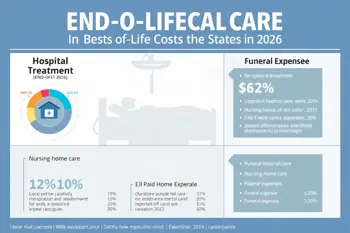
| Care category | Reported national reference | Coverage issue |
|---|---|---|
| Semi-private nursing-home room | $114,975 per year | Long-term custodial care is not generally covered by Medicare |
| Private nursing-home room | $129,575 per year | Payment may depend on personal funds, Medicaid, or other coverage |
| Paid in-home caretaker | About $72,800 per year | Hours, location, and caregiver needs can change the total |
| Assisted living | About $74,400 per year | Housing and personal-care services may be billed together |
These are national median or reference amounts rather than individualized quotes. The Washington Post analysis used a possible three-year pattern involving unpaid family care, paid home care, and facility care, producing more than $187,000 in long-term-care costs. Federal data also indicate that about seven in ten people over age 65 will need some form of long-term care, often for approximately three years. 1
Funeral and burial costs in 2026
Funeral expenses are usually smaller than long-term-care expenses but can still create a significant immediate obligation. MoneyGeek reports a median 2023 cost of $8,300 for burial with viewing and an average of $6,280 for cremation with services. Its analysis found that Northeast funeral costs were about 8% above the national average, while Southern costs were approximately $6,700 for the referenced burial category. 2
A separate 2026 funeral-cost report estimates that a traditional burial averages $10,545 nationally, with Massachusetts and Rhode Island at approximately $14,025 and Washington at $6,750. The same report estimates cremation at about $6,405, or roughly $4,140 below its national burial estimate. Differences between reports reflect methodology, service packages, dates, and whether the calculation uses a median or an average. 9
Planning, eligibility, and financial friction
Planning requires separating medical treatment, hospice services, housing, personal care, and funeral arrangements because each category follows different payment rules. A hospice election may cover clinical services while leaving room and board unpaid. A nursing facility may provide skilled services for a limited period while long-term custodial care remains a separate financial responsibility. Eligibility rules and coverage decisions can therefore change the household obligation substantially. 7 8
Access also varies by geography, income, race, and care setting. Hospice use is widespread among U.S. decedents, but stays are often short, limiting time for symptom management, family support, and advance-care planning. Oversight agencies have examined hospice payment, quality, and compliance issues, while national health expenditures continue to be influenced by medical-price growth, labor costs, and provider payment rules. 5 10
Sources
- 1. The Washington Post, “What does it cost to die in America? Search your Zip code.”
- 2. MoneyGeek, “The $88,300 Death: What Americans Pay When Someone Dies in 2026.”
- 3. JAMA Network Open, “Comparison of Health Care Cost Trajectories in the Last Year of Life by Age at Death.”
- 4. Kurlon, “Average Cost of End of Life Care in the United States 2026.”
- 5. Medicare Payment Advisory Commission, March 2025 Report to the Congress.
- 6. KFF, “Medicare and End-of-Life Care.”
- 7. Medicare.gov, “Hospice Care.”
- 8. AARP, “Long-Term Care Costs.”
- 9. Asurgo, “2026 Funeral Cost Report.”
- 10. U.S. Government Accountability Office, “Medicare Hospice Oversight, Payment, and Quality.”
Authored by MyTrendSpot team