Bank-owned motorboats available in Florida: An Analysis of Market Acquisition Channels and Regulatory Procedures
The acquisition of bank-owned motorboats in Florida typically involves navigating specialized channels such as repossession brokers, lender-directed auctions, and public agency surplus sales rather than through a single, centralized listing service 1. Because these vessels are often liquidated to satisfy financial obligations, buyers frequently encounter assets sold on an as-is basis, necessitating a thorough due diligence process that includes independent physical inspections of hulls, engines, and mechanical components 1. Market participants often utilize terms such as marine repo, secured-party sale, or lender-owned boat to identify potential inventory, as the descriptor bank-owned is not universally applied to all distressed assets 1.
Understanding Auction and Repossession Dynamics
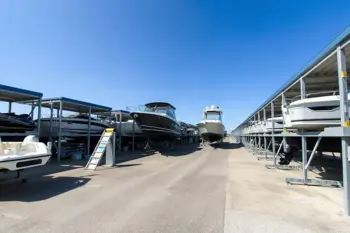
Vessels declared derelict or abandoned are subject to strict Florida statutory timelines, which impact how these assets enter the marketplace 2, 3. For example, when a vessel is deemed derelict, legal owners or interested parties generally have a 21-day window from the date of first publication to assert legal interest before the asset is removed and disposed of under Chapter 705 3, 4. Storage auctions also serve as a common venue for the sale of vessels, where a lienholder may move to satisfy an outstanding debt by selling the watercraft to the highest bidder at a public sale 5. Prospective buyers at these events must be prepared for rigorous timelines, including mandatory inspections, specific deposit requirements often involving cashier checks, and immediate removal of the vessel post-payment 5.
Regulatory Oversight and Title Verification
Florida requires that most motorized vessels operated on state waters be titled and registered through the Florida Highway Safety and Motor Vehicles (FLHSMV) system 1. When purchasing a repossessed or bank-owned boat, it is critical to verify the status of the title, as the buyer must confirm whether the boat possesses a clear title or remains encumbered by an outstanding lien 1. For vessels documented with the U.S. Coast Guard, additional checks are necessary, including a review of the vessel's documentation history and any active maritime mortgages that could affect the transfer of ownership 1. Ignoring these procedural checks can result in unexpected liability or delays in registration 1.
Market Research and Valuation Comparisons
While auctions provide a primary source for distressed vessel sales, established boat marketplaces in Florida serve as vital tools for market price comparisons 1. Platforms such as Boat Trader and YachtWorld provide data on current asking prices for similar powerboats, which helps potential buyers evaluate whether an auction price represents a reasonable market valuation 6, 7. It is important to distinguish between a standard used-boat listing and a true bank-owned asset, as the former does not necessarily indicate a distressed sale or the involvement of a secured lender 1. Buyers should always confirm the seller's identity and the nature of the sale before committing capital 1.
| Acquisition Channel | Primary Focus |
|---|---|
| RepoFinder | Marketplace for repossessed assets and recreational vehicles |
| GovDeals / Public Surplus | Public agency surplus and government-owned marine equipment |
| Proxibid / HiBid | Aggregated online auction listings for marine assets |
| Copart / IAA | Salvage and recovered watercraft auctions |
Financial Planning and Hidden Costs
Prospective purchasers must look beyond the initial bid price when evaluating the feasibility of a bank-owned boat purchase. Budgeting for total acquisition costs involves accounting for Florida state sales tax, title transfer fees, and registration costs 1. Furthermore, because many bank-owned boats have been stored for extended periods, buyers must allocate funds for necessary repairs, maintenance, and potential transport services 1. In instances where a lien exists, the buyer may be responsible for clearing the lien or addressing unpaid storage fees before the title can be legally transferred or updated by the state authority 1.
Best Practices for Due Diligence
Information regarding the current location of a boat, the specific closing date of an auction, and the terms regarding buyer premiums should be verified directly through official listing platforms before participation 1. Relying on secondary summaries can be risky, as legal notices and auction requirements are subject to change based on the specific jurisdiction and the nature of the underlying debt 1. Engaging with maritime professionals or surveyors prior to bidding is highly recommended, especially when purchasing vessels that have been exposed to environmental factors or prolonged neglect, which are common characteristics of repossessed marine equipment 1.
Sources
- Florida Highway Safety and Motor Vehicles / Marine Finance Market Analysis
- Florida Fish and Wildlife Conservation Commission, Abandonment Notice Records
- NoticeRegistry: Abandonment and Derelict Vessel Public Records
- Chapter 705, Florida Statutes, Regarding Lost or Abandoned Property
- NoticeRegistry: Storage Auction Documentation, Jacksonville, FL
- Boat Trader Market Data, Florida Powerboat Listings
- YachtWorld Market Analysis, Florida Regional Inventory
Authored by MyTrendSpot team