Warning signs of carpal tunnel syndrome: A clinical analysis of early detection and nerve health
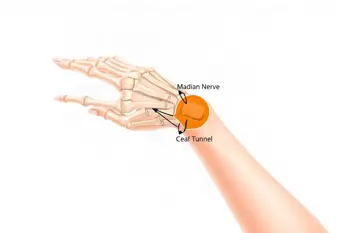
Carpal tunnel syndrome occurs when the median nerve, which travels from the forearm into the hand, becomes compressed within the narrow passageway of the wrist known as the carpal tunnel 2. Recognizing the early indicators of this condition is vital, as prompt identification can improve the likelihood of effective management and prevent permanent neurological impairment 3. While symptoms often appear gradually, they eventually interfere with daily activities, sleep, and overall hand function 9.
Common Sensory Indicators and Nerve Distribution
The primary sensations associated with carpal tunnel syndrome include numbness, tingling, and burning, which typically affect the thumb, index finger, middle finger, and the thumb-side half of the ring finger 6, 7. These fingers are served by the median nerve, which provides both sensory information and motor control for specific muscles at the base of the thumb 2, 6. Because the little finger receives its nerve supply from the ulnar nerve, it is usually unaffected, providing a helpful diagnostic distinction when evaluating localized hand numbness 7, 8.
Patients frequently describe these sensory changes using terms such as electric zaps, a sandpaper-like texture, or a feeling of wearing a wax-coated glove 4. As the condition progresses, these abnormal sensations can extend beyond the wrist, radiating into the palm or moving upward into the forearm 6, 10. The severity of these sensations often correlates with the duration of the nerve compression, and clinical evaluation is recommended when these symptoms become persistent or begin to impact fine motor tasks 6.
The Nocturnal Pattern of Symptom Presentation
Nighttime waking is widely recognized as one of the most consistent early warning signs of carpal tunnel syndrome 3, 4. Many individuals report waking up in the middle of the night with hands that feel numb or painful, often feeling the need to shake them out to restore sensation 1, 4. This phenomenon occurs because many people naturally sleep with their wrists in a flexed or bent position, which further compresses the median nerve within the carpal tunnel 1, 9.
While the initial discomfort may subside after shaking the hand, the recurrence of these nighttime events is a signal that the median nerve is under consistent mechanical stress 3, 10. Ignoring these recurring episodes can lead to a progression where symptoms persist throughout the day, eventually disrupting productivity and quality of life 3, 9. Medical professionals advise that if nighttime hand pain disrupts sleep with increasing frequency, clinical assessment is warranted to determine the extent of nerve pressure 3.
Functional Clumsiness and Decreased Grip Strength
Beyond sensory changes, carpal tunnel syndrome often manifests as a loss of physical dexterity and power in the affected hand 4. Patients may frequently drop objects, have difficulty buttoning shirts, or struggle with manipulating small items like zippers, which indicates that the motor fibers of the median nerve are being compromised 4, 7. This perceived clumsiness is often a sign of advanced compression, as the muscles at the base of the thumb begin to lose their efficiency 4, 6.
Subjective weakness is a common complaint during routine examinations and should be taken seriously as it signals that the condition has moved beyond simple sensory disturbances 5, 9. Over time, if the nerve compression is not addressed, visible wasting of the thumb muscles may occur, representing a more serious, long-term consequence of the syndrome 7, 9. Monitoring grip strength and the ability to perform precise hand movements is a critical component of tracking the progression of this condition 9.
Associated Risk Factors and Contributing Conditions
While the exact cause of carpal tunnel syndrome remains multifactorial, certain physical factors and health conditions significantly increase the likelihood of its development 2. Activities involving repetitive hand or wrist motions, prolonged wrist flexion, or exposure to high-vibration tools are known environmental contributors 2, 9. Furthermore, internal health factors that cause systemic swelling or pressure within the carpal tunnel can accelerate the compression of the median nerve 10.
| Category | Potential Contributing Factors |
|---|---|
| Medical Conditions | Diabetes, hypothyroidism, rheumatoid arthritis, gout, amyloidosis |
| Demographics/Lifestyle | Advanced age, pregnancy, menopause, obesity, smoking, alcohol use |
| Occupational/Activities | Repetitive wrist motion, power tool usage, lab instrument handling |
Understanding these variables helps in identifying individuals at higher risk, such as those with pre-existing conditions like diabetes or pregnancy, where hormonal changes can affect tendon and nerve health 2, 3. Recognizing that these external or internal factors are present can help individuals stay vigilant for the early symptoms of nerve entrapment, such as tingling in the thumb and index finger 3.
The Importance of Professional Differential Diagnosis
Because carpal tunnel syndrome shares symptoms with other musculoskeletal and neurological issues, obtaining an accurate diagnosis is essential for avoiding incorrect treatment 4. Conditions such as cubital tunnel syndrome, which affects the ulnar nerve at the elbow, or cervical nerve radiculopathy, which originates in the neck, can mimic the numbness and tingling felt in the hand 4, 7. A misdiagnosis may lead to ineffective interventions, such as using the wrong type of splint or neglecting the actual site of nerve injury 7.
Diagnostic procedures commonly used by orthopedic specialists include physical examinations and, if necessary, electrodiagnostic studies like nerve conduction testing or electromyography to evaluate the functional state of the nerve 6. Modern approaches may also involve ultrasonography as a non-invasive method for visualizing the wrist structures 5. Relying on professional clinical evaluation ensures that the treatment plan, which may range from ergonomic adjustments and splinting to more advanced clinical interventions, is appropriate for the specific pathology present 5, 6.
Sources
- Mayo Clinic Press: Carpal tunnel syndrome symptoms and risks
- Ohio State Health & Discovery: Understanding nerve compression
- Atlantic Health: Signs of carpal tunnel syndrome
- The Well by Northwell: Clinical manifestations of median nerve pressure
- MedLink Neurology: Epidemiology and diagnostic standards
- Acibadem Hospitals Group: Symptoms and nerve testing overview
- Futurity: Differentiating cubital vs. carpal tunnel syndrome
- Harvard Health: Treatment approaches and guidelines
- NewsOn6: Early warning signs and progression
- OU Health: Recognizing early nerve health indicators
Authored by MyTrendSpot team