Early symptoms of type 2 diabetes you should know: Clinical Analysis and Diagnostic Indicators
Early symptoms of type 2 diabetes you should know are often subtle and develop gradually, making them easy to overlook during the initial stages of the condition 7, 10. Because this metabolic disorder affects how the body regulates blood glucose, symptoms are frequently tied to hyperglycemia, a state where excess sugar remains in the bloodstream rather than fueling the body's cells 2, 3. Clinical observations indicate that approximately 25% of individuals living with diabetes may remain undiagnosed, highlighting the importance of regular screening and clinical awareness 8.
Physiological Drivers of Primary Symptoms
The primary indicators of type 2 diabetes are rooted in the body's inability to utilize insulin effectively, which leads to inadequate glucose uptake by the cells 2, 5. As blood glucose levels rise, the kidneys are forced to work harder to filter and eliminate the excess sugar through urine, a process clinically referred to as polyuria 8, 9. This frequent urination causes the body to lose significant water, triggering polydipsia, or excessive thirst, as a compensatory mechanism to maintain hydration levels 8, 9.
Furthermore, because the glucose is leaving the body via urine instead of being absorbed by cells, the body may experience a paradoxical state of starvation despite adequate food intake, resulting in polyphagia, or increased hunger 1, 2. When the body cannot utilize glucose for energy, it may begin breaking down muscle tissue and fat, which can lead to unexplained weight loss-a symptom that, while more common in type 1 diabetes, can also occur in type 2, particularly if the condition remains untreated for an extended period 1, 3, 6.
Visual and Sensory Warning Signs
High blood glucose levels can impact various systems throughout the body, including the eyes and nervous system. Blurred vision is a common early sign caused by the osmotic shift of fluid from the lenses of the eyes due to fluctuating blood sugar levels 1, 2. This change in the shape of the eye lens can temporarily impair the ability to focus properly, a symptom that often fluctuates in severity depending on current blood glucose levels 2, 7.
Neurological impacts are also observable as the condition progresses. Persistent high blood sugar levels can damage nerves over time, leading to peripheral neuropathy, which may manifest as tingling, numbness, or pain in the extremities, such as the hands or feet 2, 4. Additionally, physical skin changes like acanthosis nigricans, which involves the development of dark, velvety patches of skin in folds such as the neck, armpits, or groin, are recognized clinical signs of underlying insulin resistance 2.
Immune System Compromise and Healing
Elevated blood sugar levels create an environment that can suppress the immune system, making it more difficult for the body to fight off infections. Individuals with undiagnosed type 2 diabetes may notice that minor cuts, sores, or ulcers take an unusually long time to heal 1, 3, 7. This delay in wound healing is attributed to the impairment of circulation and the body's reduced ability to repair tissues effectively when glucose levels remain consistently high 4.
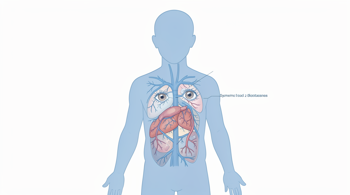
Frequent infections are another marker of compromised immune function in the context of high blood sugar. These may include recurring urinary tract infections, skin infections, or yeast infections that persist despite standard treatment efforts 1, 3. The presence of these infections, especially when they occur with high frequency, is often a prompt for healthcare providers to investigate potential metabolic dysfunction through standardized diagnostic blood testing 1, 7.
Energy Metabolism and Persistent Fatigue
Persistent fatigue is a frequently reported symptom among those developing type 2 diabetes. Because the body's cells are deprived of glucose-the primary source of energy-the physical result is a state of chronic exhaustion and weakness 1, 3, 6. This fatigue often persists even after adequate sleep and nutrition, as the underlying issue is cellular energy delivery rather than general lifestyle depletion 3, 7.
The impact of this energy deficit can affect mood and overall mental clarity as well. Many individuals report feeling irritable or notice mood changes as their body struggles to maintain stable blood sugar levels 6. Addressing this fatigue usually requires a comprehensive medical evaluation to determine if the cause is linked to metabolic resistance or if other underlying factors are contributing to the patient's low energy levels 5, 8.
Diagnostic Considerations and Risk Assessment
Diagnosis of type 2 diabetes is made through professional medical evaluation, typically involving blood tests such as fasting plasma glucose or HbA1c levels 2, 7. A fasting blood sugar level of 126 mg/dL or higher is generally indicative of diabetes, while healthy levels are typically maintained between 70 and 99 mg/dL 5. Relying on symptoms alone is often insufficient, as many individuals remain asymptomatic during the early years of the disease 3, 6.
Several non-modifiable risk factors increase the likelihood of developing the condition, including age, family history, and specific ethnic backgrounds, such as South Asian, Chinese, African-Caribbean, or Black African heritage 3. Modifiable factors, such as body weight and physical activity levels, also play a significant role in the progression of insulin resistance 2, 3, 7. Early clinical intervention is prioritized to mitigate the risk of long-term complications including heart disease, stroke, kidney failure, and vision loss 2, 4.
Sources
- National Institute of Diabetes and Digestive and Kidney Diseases (NIDDK)
- Merck Manual Consumer Version
- NHS Inform
- UT MD Anderson Cancer Center
- Cleveland Clinic
- Mayo Clinic
- Acibadem Hospitals Group
- WRAL News/UNC Health
- OSF HealthCare
- MedlinePlus
Authored by MyTrendSpot team