Natural Ways to Treat Thinning Hair: Scalp Massage Analysis and Clinical Perspective
Understanding the Physiological Basis of Scalp Massage
Scalp massage is frequently explored by individuals experiencing hair thinning as a natural, non-pharmaceutical intervention. The core hypothesis driving this practice is the concept of mechanical stimulation, which suggests that the manual manipulation of the scalp can increase blood circulation to the follicles 2. Increased blood flow is thought to deliver higher concentrations of oxygen and essential nutrients to the dermal papilla cells, potentially supporting the growth cycle of the hair 6. Furthermore, researchers have investigated whether the physical stretching forces applied during massage alter the behavior of follicle cells, potentially triggering the production of thicker hair strands over time 3, 11.
Beyond blood flow, proponents suggest that regular scalp manipulation may influence gene expression within hair follicles. Some studies indicate that mechanical force can decrease the expression of genes associated with inflammation and hair loss, while potentially upregulating genes associated with hair growth 5, 16. While these mechanisms are biologically plausible, it is important to note that scalp massage is not a definitive cure for androgenetic alopecia or other medical conditions causing significant hair loss. Instead, it is most accurately categorized as a supplemental habit that may contribute to a more favorable scalp environment for existing hair 4, 10.
Evaluating Clinical Evidence and Participant Reported Outcomes
The scientific literature regarding scalp massage is limited in both scale and diversity, often relying on small-group trials or retrospective surveys. One frequently cited pilot study involved nine healthy men who performed a four-minute daily scalp massage using a mechanical device for 24 weeks 2, 5. The results demonstrated a modest increase in individual hair shaft thickness, moving from 0.085 mm to 0.092 mm, representing roughly an 8% gain 5. However, this study did not report significant changes in total hair count or the rate of hair growth, highlighting that the primary observable benefit may be limited to thickness rather than density 2, 5.
In contrast to controlled trials, self-reported data provides a broader, though less rigorous, perspective. A survey of over 300 individuals indicated that approximately 69% of participants perceived stabilization or regrowth of hair after committing to daily scalp massages over a period of 11 to 20 minutes 2, 11. This data suggests that while high-quality, large-scale clinical evidence is currently sparse, there is a consistent anecdotal observation among users that regular scalp manipulation may help in managing the appearance of thinning hair when performed consistently over several months 5, 11.
Proper Technique for Scalp Manipulation
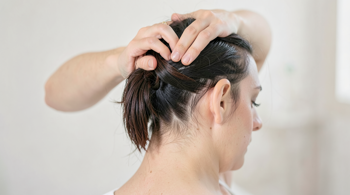
Achieving consistency in technique is considered essential for those incorporating scalp massage into their daily routine. Dermatological guidance emphasizes that the focus should be on the movement of the scalp tissue rather than rubbing or scrubbing the hair strands themselves, which can cause mechanical breakage 4, 18. The recommended method involves using the fleshy pads of the fingertips to apply moderate, controlled pressure while moving in small, circular motions across the entire scalp, with particular attention to areas of thinning such as the crown, temples, and frontal hairline 3, 7.
Frequency and duration are critical variables in the reported success of this practice. Most experts suggest a minimum of four minutes of daily massage, though some protocols suggest up to 20 minutes to see potential benefits 3, 7. Scalp massage can be performed on dry hair or during a shower while using shampoo or conditioner to assist with slip and prevent friction 3. Some individuals also choose to incorporate handheld scalp massagers or brushes with malleable, soft bristles, which can serve the dual purpose of stimulating the scalp and exfoliating sebum buildup 1, 3.
The Role of Supplemental Agents
Many practitioners integrate essential oils into their scalp massage routine to enhance the experience and potentially provide additional support for follicle health. Peppermint oil, for instance, has been discussed for its potential to improve blood circulation, while rosemary oil is frequently cited for its potential to support new hair growth 3, 15. When using these substances, it is generally recommended to dilute them in a carrier oil to prevent irritation, as the scalp skin is highly sensitive 3. This combined approach targets both the mechanical stimulation of the scalp and the localized application of compounds hypothesized to promote follicular vitality 15.
| Factor | Recommendation |
|---|---|
| Technique | Fingertip pads, circular motion, no scrubbing |
| Duration | 4 to 20 minutes daily |
| Frequency | Consistent daily commitment |
| Tools | Manual fingertips or soft-bristle scalp brushes |
| Additives | Diluted essential oils like rosemary or peppermint |
Managing Expectations and Identifying Limitations
It is vital for individuals to maintain realistic expectations regarding the outcomes of scalp massage. Scientific consensus generally agrees that scalp massage is not a substitute for evidence-based medical interventions for hair loss, such as FDA-approved medications or clinical procedures 2, 5, 7. The improvements are typically subtle, often requiring months of daily commitment before any change in hair thickness is noticeable 5, 11. Furthermore, there is no clinical evidence to support the claim that scalp massage can regrow hair on completely bald areas or reverse advanced stages of androgenetic alopecia 5.
The benefits of scalp massage may be more related to stress reduction and improved scalp health rather than dramatic hair regrowth. A tight, tense scalp-often linked to stress-can restrict blood flow, and the process of massaging can help relieve this tension 2, 6. For many, the primary value lies in the immediate sense of relaxation and the improvement of the overall scalp environment by clearing away dead skin cells and preventing the buildup of oils, which can inhibit healthy hair follicle function 1, 2, 19.
Safety and Professional Consultation
Scalp massage is widely regarded as a low-risk intervention with few contraindications, provided that the technique does not result in skin irritation or physical hair damage. Avoiding aggressive, friction-heavy motions is key to maintaining structural integrity of the hair shafts 1, 4. Individuals with underlying scalp conditions, such as psoriasis, seborrheic dermatitis, or significant scalp inflammation, should consult with a board-certified dermatologist before beginning a regular massage routine, as the mechanical stimulation could potentially exacerbate these conditions 4.
Ultimately, a comprehensive approach to thinning hair often involves addressing multiple factors, including diet, hormonal health, and appropriate medical treatments where necessary. While scalp massage provides a accessible, non-invasive method for those seeking to support their hair health, it should ideally be viewed as one component of a broader, well-rounded hair care strategy rather than a primary treatment for hair loss 4, 7.
Sources
- NBC News: Do Scalp Massagers Actually Help With Hair Growth? Scalp Experts Explain
- GoodRx: The Benefits of a Scalp Massage for Hair Growth
- Health.com: How To Do a Scalp Massage and Boost Your Hair Growth
- Good Housekeeping: How to fight hair loss with scalp massage
- AestheticMedGuide: Does Scalp Massage Help Hair Growth?
- Dr Raechele Derm: Scalp Massage for Hair Growth: Dermatologist’s Guide
- Abraham the Pharmacist: What 4 Minutes Of Scalp Massage A Day Does For Hair Growth
- Honor Concierge: Scalp massage: what it helps, and the hair growth question
- Institute for Natural Medicine: 10 Effective Natural Treatments for Hair Loss
- MyHairline.ai: Scalp Massage Routine for Hair Loss
- PLOS ONE: Standardized Scalp Massage Survey Data
- Healthline: Scalp Massage for Hair Growth Mechanisms
- Medical News Today: Mechanical Stimulation and Hair Follicle Stretching
- Verywell Health: Small-scale Clinical Observations on Scalp Massage
- Cleveland Clinic: Rosemary Oil and Scalp Circulation
- PubMed: Gene Expression in Dermal Papilla Cells
- WebMD: Stress-Induced Hair Thinning and Massage
- American Academy of Dermatology: Hair Loss Prevention Techniques
- Byrdie: Scalp Health and Follicle Environment
- Prevention: Consistency and Hair Thickness Changes
Authored by MyTrendSpot team