12 Easy Hairstyles for Women Over 50: A Practical Style Guide
How Hair Changes Influence Easy Styling
Easy hairstyles for women over 50 should account for changes such as thinning, reduced elasticity, dryness, and reduced shine. Stylists cited by Prevention commonly recommend shorter or strategically layered shapes because they can make hair appear fuller while adding physical and visual movement. Face shape can also change over time, so face-framing pieces or a soft fringe may create a more balanced outline than long, straight hair with no shaping. 1
Age alone does not determine the right haircut. InStyle’s stylist guidance emphasizes personal preference, hair type, desired length, and maintenance level rather than a fixed age-based formula. Medium and long styles remain viable when their shape works with the wearer’s natural texture. The practical question is how much styling effort is realistic on ordinary mornings, since a cut that requires extensive heat work may not qualify as easy for daily use. 2
1. Soft Bob and 2. Textured Bob
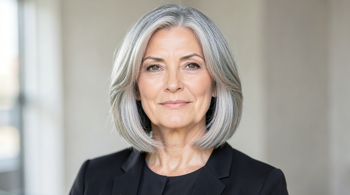
A soft bob is typically shaped around the chin or jaw and may include gentle layers, a relaxed part, or subtle volume at the crown. It can be particularly useful for fine or medium hair because removing excess length reduces weight. A soft silver bob also allows natural gray to become part of the overall design. The shape can be air-dried with smoothing cream or lightly blow-dried with a round brush, depending on texture and preferred finish. 3
A textured bob adds movement through point-cut ends, light layering, or deliberately tousled styling. The result is less rigid than a blunt geometric bob while remaining structured enough for professional settings. A layered bob with bangs can also create the appearance of fuller hair and frame the face. Fine hair generally benefits from avoiding excessive weight at the ends, while thick hair may require internal shaping to prevent a bulky outline. 4
3. Layered Pixie and 4. Natural Silver Pixie
A layered pixie is a short, face-framing option that places length on top and gradually tapers the sides or nape. Choppy or point-cut ends can create visible texture without requiring elaborate styling. A small amount of lightweight styling product may direct the top toward a side sweep or create a softly separated finish. The cut is often practical for fine hair because shorter lengths remove some of the weight that can cause strands to lie flat. 5
A natural silver pixie combines short shaping with gray or white hair that is allowed to grow in naturally. The shorter length can reduce daily drying time, but the style still requires regular shaping to preserve the taper and outline. A light matte product can define the top, while a softer cream may suit dry or coarse silver strands. Hair texture, cowlicks, density, and comfort with frequent trims should be discussed before choosing this look. 6
5. Shoulder-Length Lob and 6. Face-Framing Long Bob
A shoulder-length lob provides more versatility than a very short cut while remaining easier to manage than substantially longer hair. It can be worn straight, softly waved, tucked behind the ears, or gathered into a low ponytail. Side-swept bangs and light layering add movement without removing all the density from the perimeter. This length is also adaptable for women who want a gradual transition from long hair to a shorter, more structured style. 4
A face-framing long bob uses shorter pieces around the temples, cheekbones, or jawline to create shape near the face. The rest of the cut may remain relatively even, which helps preserve the appearance of thickness. An angled lob can add volume toward the back, while a blunt long bob can make the ends look denser. The appropriate variation depends on whether the main concern is movement, fullness, softness, or reduced styling time. 7
7. Long Loose Waves and 8. Modern Shag
Long loose waves add body and movement while retaining length. They can be created with a curling iron, rollers, or overnight shaping, although heat protectant and controlled temperature are important considerations for dry or fragile hair. A deep side part can make the roots appear more lifted and gives the waves a more defined direction. Face-framing layers prevent long hair from appearing heavy around the cheeks and jaw. 3
A modern shag uses choppy layers to create an intentionally undone shape. It can work with straight, wavy, or curly textures when the layers are adjusted to the hair’s natural behavior. Curtain bangs or a soft fringe can connect the crown layers to the face, while lighter ends reduce a dense or triangular outline. The main maintenance issue is preserving the intended separation, since over-brushing may remove the texture that defines the cut. 5
9. Side-Swept Bangs and 10. Deep Side Part
Side-swept bangs provide a relatively small change with a visible framing effect. They can soften the forehead area, draw attention toward the eyes, and blend into a bob, lob, shag, or medium-length cut. The fringe should be tailored to cowlicks, density, and natural direction because a bang that requires daily heat correction may not remain convenient. Wispy ends usually create a lighter appearance than a dense, straight-across fringe. 2
A deep side part is a styling adjustment rather than a separate haircut, but it can alter the appearance of volume immediately. Moving the part away from its usual position can create lift at the roots and add asymmetry to otherwise simple hair. It works with bobs, lobs, waves, and ponytails. The part should follow the natural growth pattern when possible, especially if the hairline is sensitive, receding, or difficult to control. 8
11. Sleek Ponytail and 12. Low Messy Bun
A sleek ponytail is a practical option for medium or long hair and can shift from casual to formal with changes in height, finish, and accessories. A low ponytail generally creates less tension than a tightly pulled high style. Smoothing cream can control flyaways, while a side part or face-framing pieces can prevent the result from appearing overly severe. Repeated tight pulling should be avoided when the scalp or hairline is vulnerable. 9
A low messy bun or side-swept updo gathers the hair at the nape or slightly to one side while leaving selected pieces loose around the face. The style can be assembled with minimal heat and is useful when hair is not freshly styled. However, “messy” still depends on shape, so loose volume at the crown and balanced placement help it look intentional. Gentle pins and limited tension are preferable for fragile or thinning hair. 9
Maintenance Considerations Before Choosing a Style
Easy styling is determined by the haircut’s relationship with natural texture, not by its name alone. A wash-and-go bob should be cut around hair that has been assessed in its natural, dry state; otherwise, the wearer may still need substantial heat styling. Silver pixies require frequent shape maintenance, while longer layered cuts may need more detangling and conditioning. The appropriate choice depends on the amount of time available, desired length, and willingness to schedule trims. 7
Hair that is fine, dry, coarse, curly, or chemically treated may require different styling methods. Lightweight volumizing products can support fine hair, while moisturizing creams and leave-in conditioners may improve manageability in dry strands. Excessive heat, aggressive brushing, and tightly secured updos can increase styling stress. Fine-hair specialists also commonly organize options into textured pixies, blunt bobs, layered bobs, feathered medium cuts, and collarbone lobs, showing that practical choices exist across several lengths. 10
Sources
- Prevention
- InStyle
- The Pioneer Woman
- Southern Living
- The Right Hairstyles
- Hairdolab
- Chic N Beauty
- Kingtheland
- Simply Happy Hair
- ChicnStylish
Authored by MyTrendSpot team